
Designing the Invisible
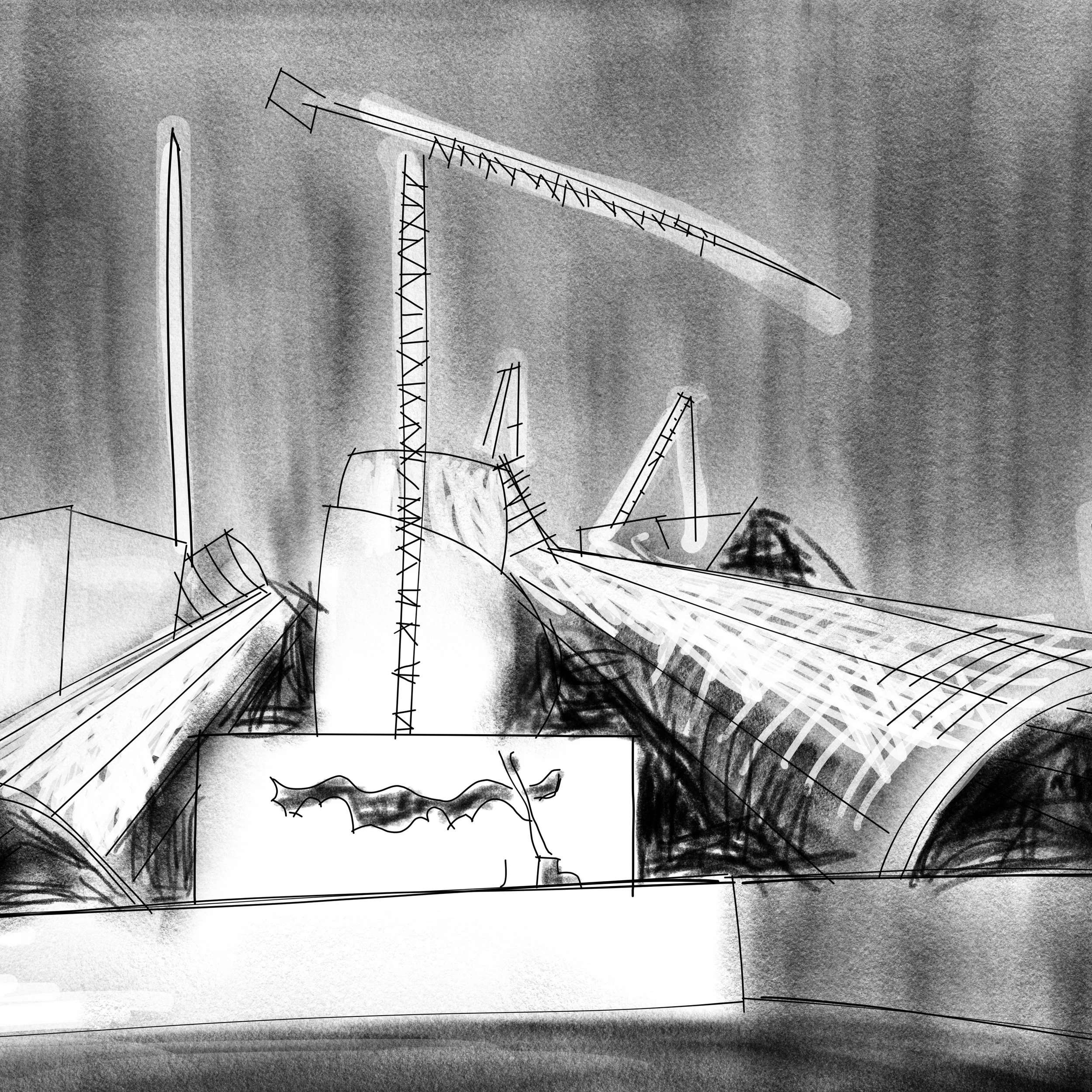
Guggenheim Abu Dhabi 2026
When I work with a company, I do not start with finishes.
I plug into its infrastructure as a consultant first. I listen. I observe. I pay attention to how decisions are made, where friction lives, who holds power quietly, and who feels unheard. It is usually crystal clear to me how changes in a workplace environment will impact overall performance. Not just across teams, but across an entire organization.
I have always encouraged clients to bundle their changes.
If a company is moving into a new workplace environment, that is not just a real estate event. It is a recalibration opportunity. Everyone is already slightly disoriented by the physical shift. Old patterns loosen. Assumptions soften. It becomes the ideal moment to introduce operational change alongside spatial change.
Space is never neutral. It either reinforces behavior or it reshapes it.
Years ago, on a project that had cycled through leadership, an interim director who was also an executive coach administered DiSC to the team. Watching the results land was instructive. Younger staff were hungry for feedback and structure. Some of the more senior staff were skeptical, wary of being categorized. One colleague bristled at being identified as a D. It felt reductive to them. Yet once the initial reaction passed, it clarified months of misinterpretations in both directions.
Behavioral data did not box anyone in. It exposed friction. That moment stayed with me.
Earlier, while leading workplace transformation work for Freeman, I built a research-driven methodology to align space with culture. The CEO was visionary. The CFO was practical. Their tension was not a problem to solve. It was a dynamic to design for. At the time, I was mapping those behavioral differences intuitively. DiSC would have quantified them in a way that corporate culture recognizes and trusts.
Executive coaching and workplace transformation are natural complements. Coaches surface behavioral patterns. Designers shape the environments that either support or undermine those patterns.
Rather than waiting for that partnership to appear, I accelerated my entry into this work. Last year, I became an Authorized DiSC partner so I could administer assessments directly in support of transformation efforts. I also went further. I reverse engineered the Design Living Index™, translating behavioral analysis into the realm of personal design. Not corporate culture. Personal instinct. How you make choices in your home. How you process hierarchy, control, risk, aesthetics, comfort.
Because the same behavioral drivers show up everywhere.
At Wharton’s Entrepreneurship Accelerator last year, I refined something my career had already taught me: the ability to pivot is not a deviation from expertise. It is a form of it.
I first understood that during the Arab Spring, when I was responsible for the Guggenheim Abu Dhabi. There is an uncanny parallel to the renewed escalation of war in the region over the last several days. When instability postponed the development of the building indefinitely, I pivoted internally. I used design thinking not to draw a building, but to build a best-in-class collection management database in partnership with curators, conservators, and registrars.
No marble. No steel. No renderings.
System design.
I value the design of the invisible as much as the visible. That is the dance of architecture. What you see and what supports it. What is aesthetic and what is operational. What is expressive and what is structural.
The Design Living Index™ is not a departure from my work.
It is an entry point into it.