Earlier Design Work
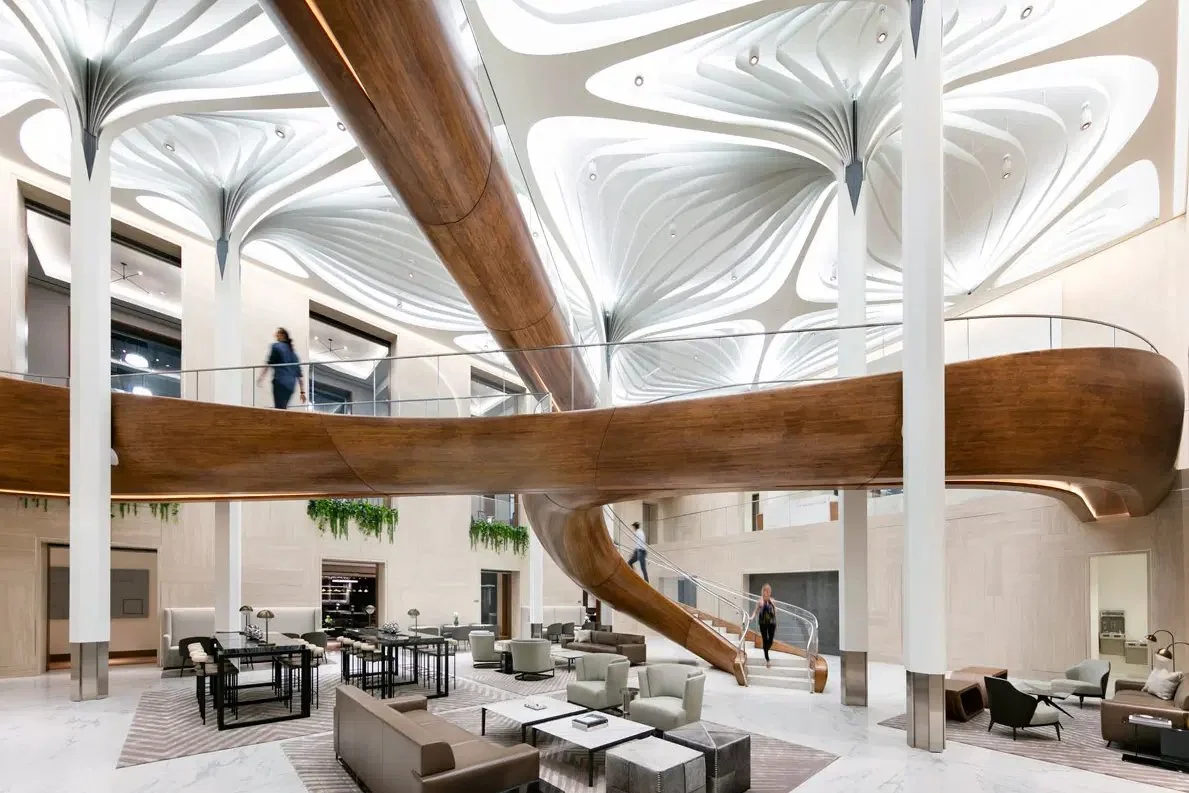
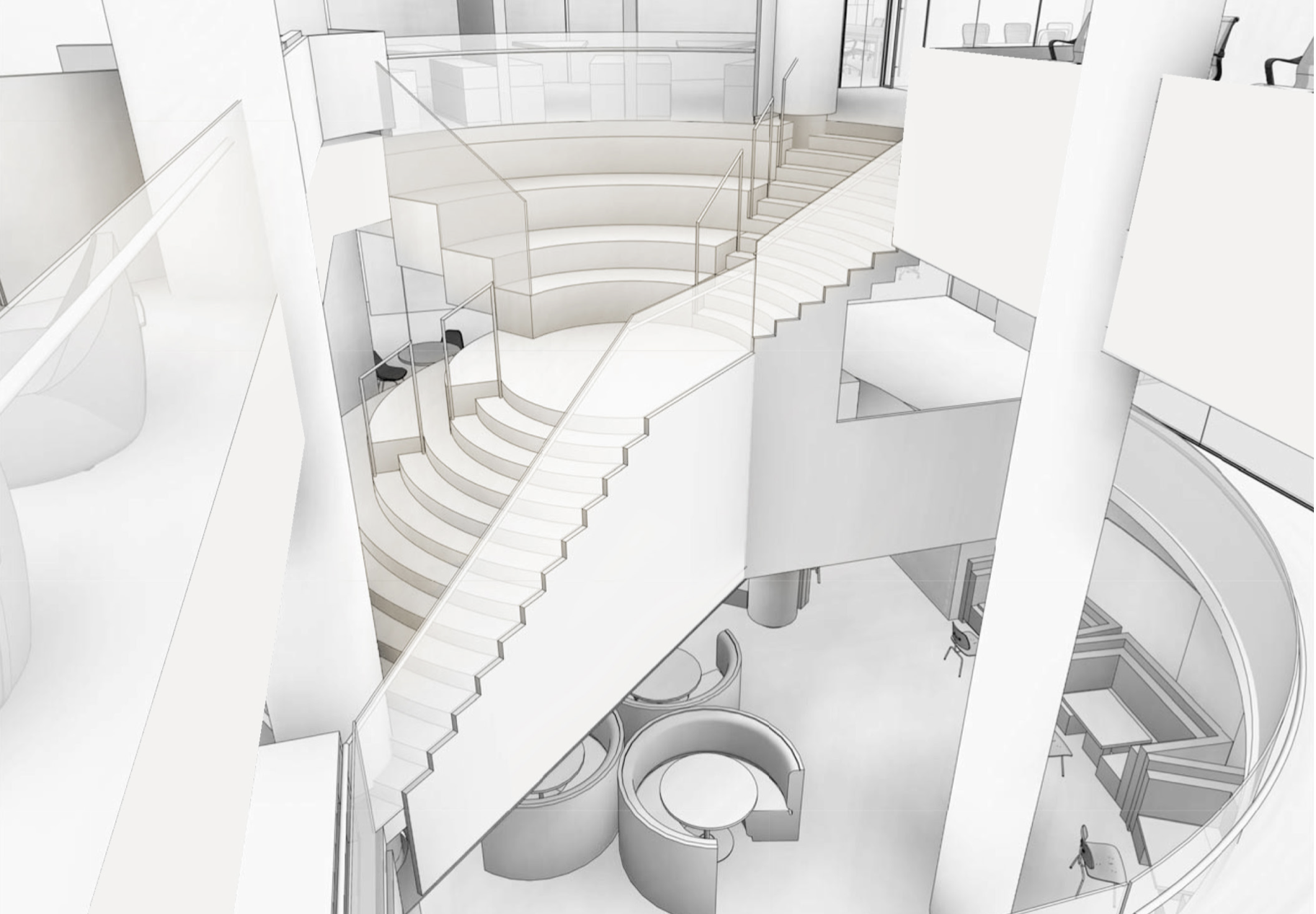

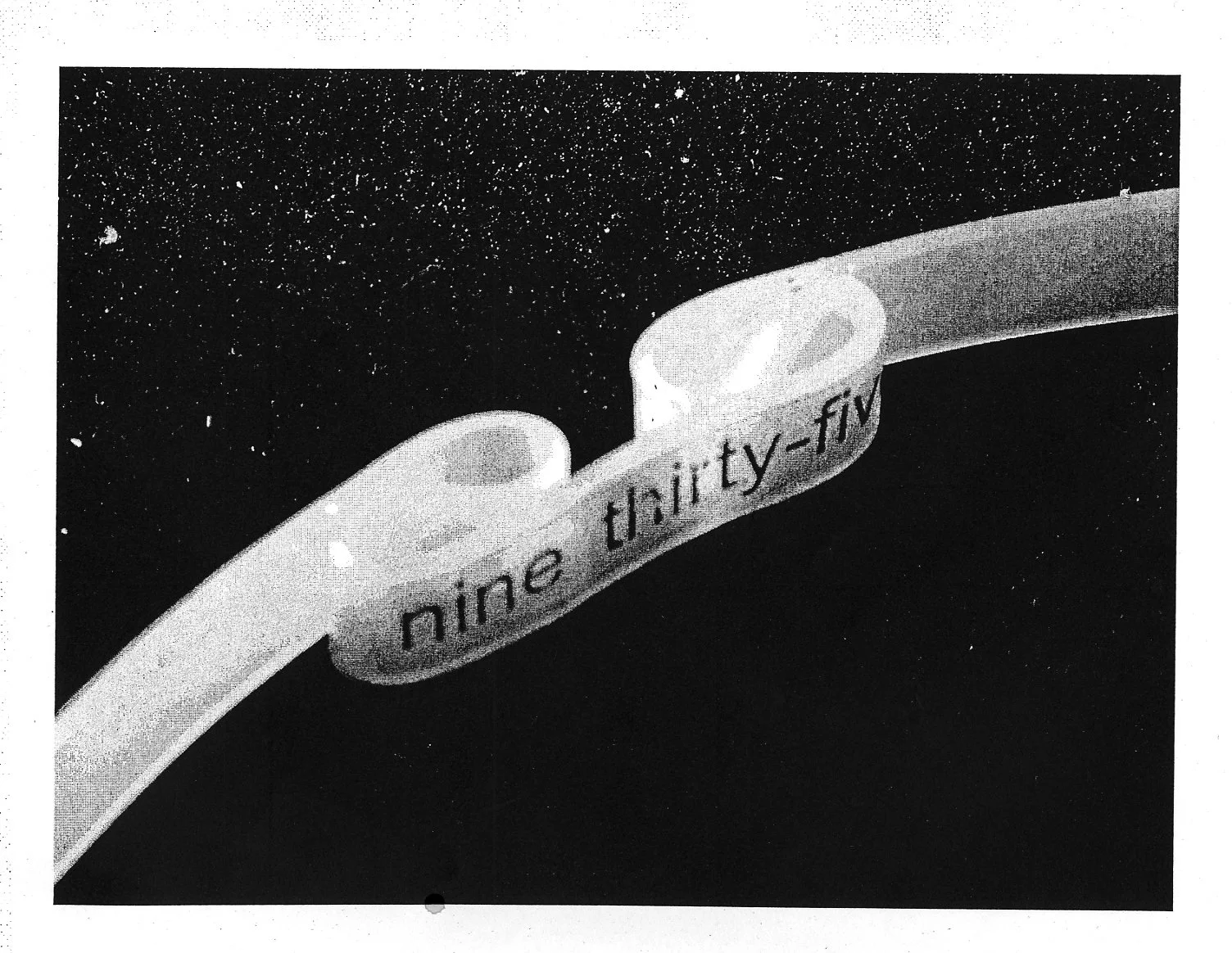
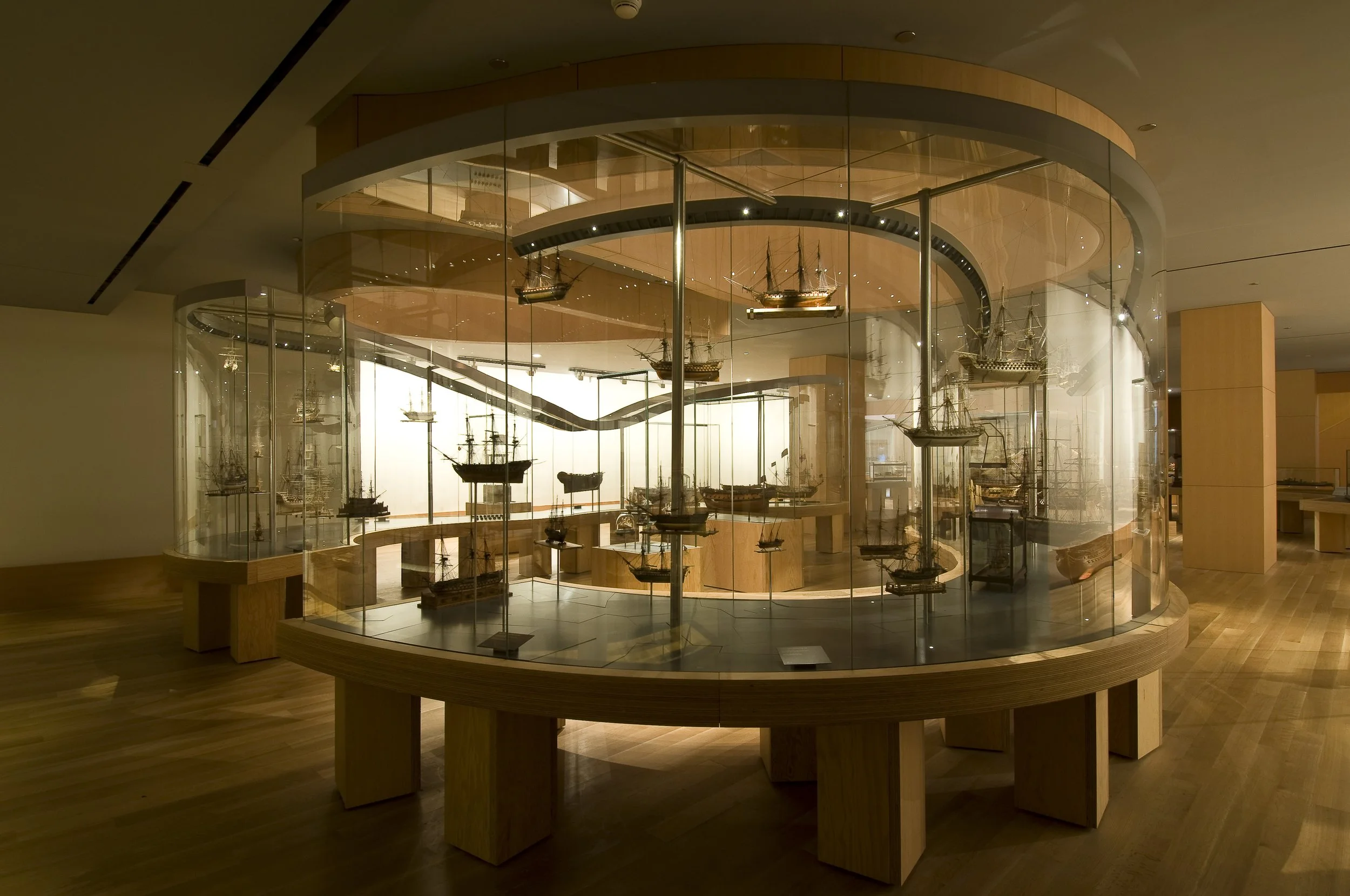
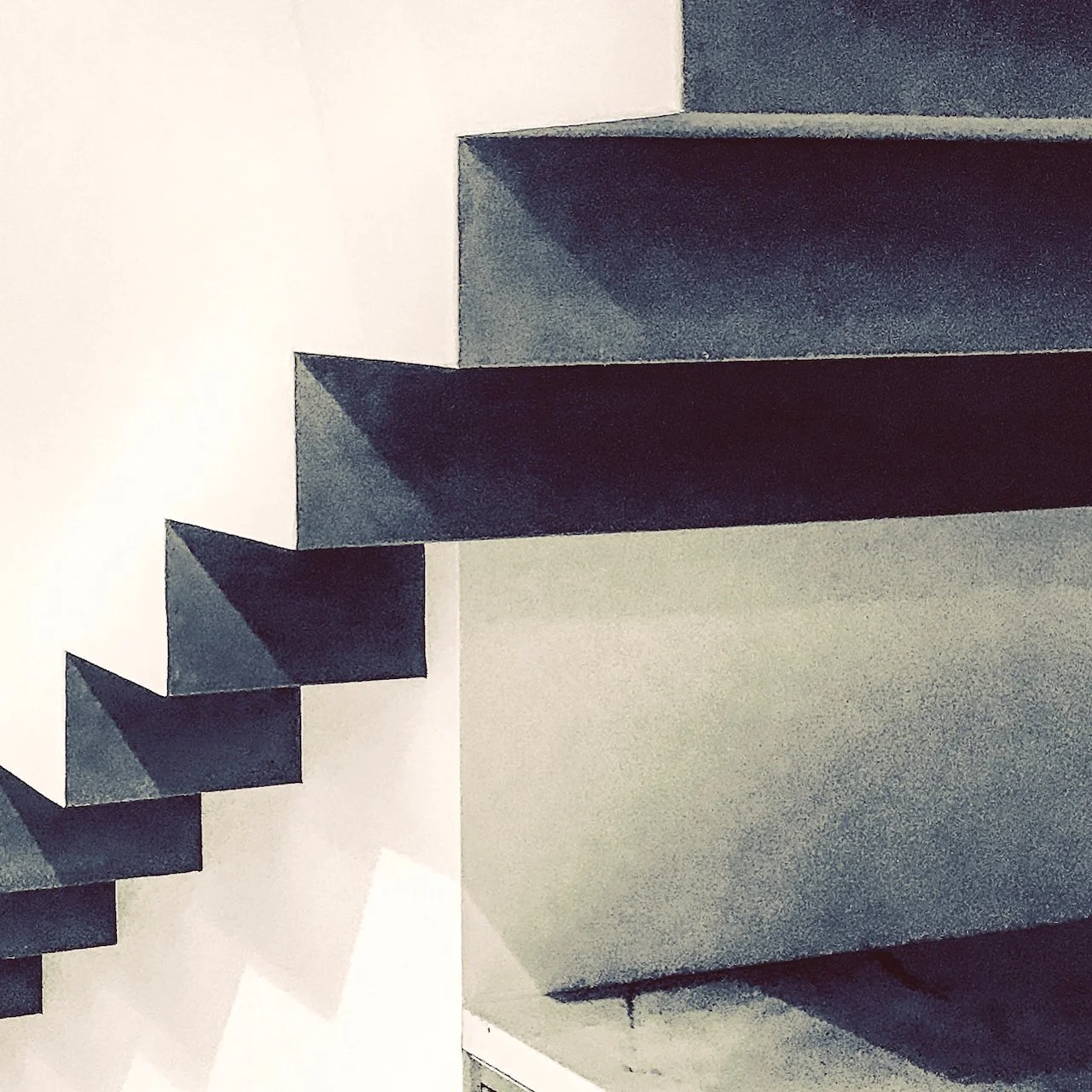
Before establishing her independent practice, Cara worked within several of the world’s most influential design organizations, contributing to projects spanning cultural institutions, urban developments, workplace environments, retail concepts, and experimental design collaborations.
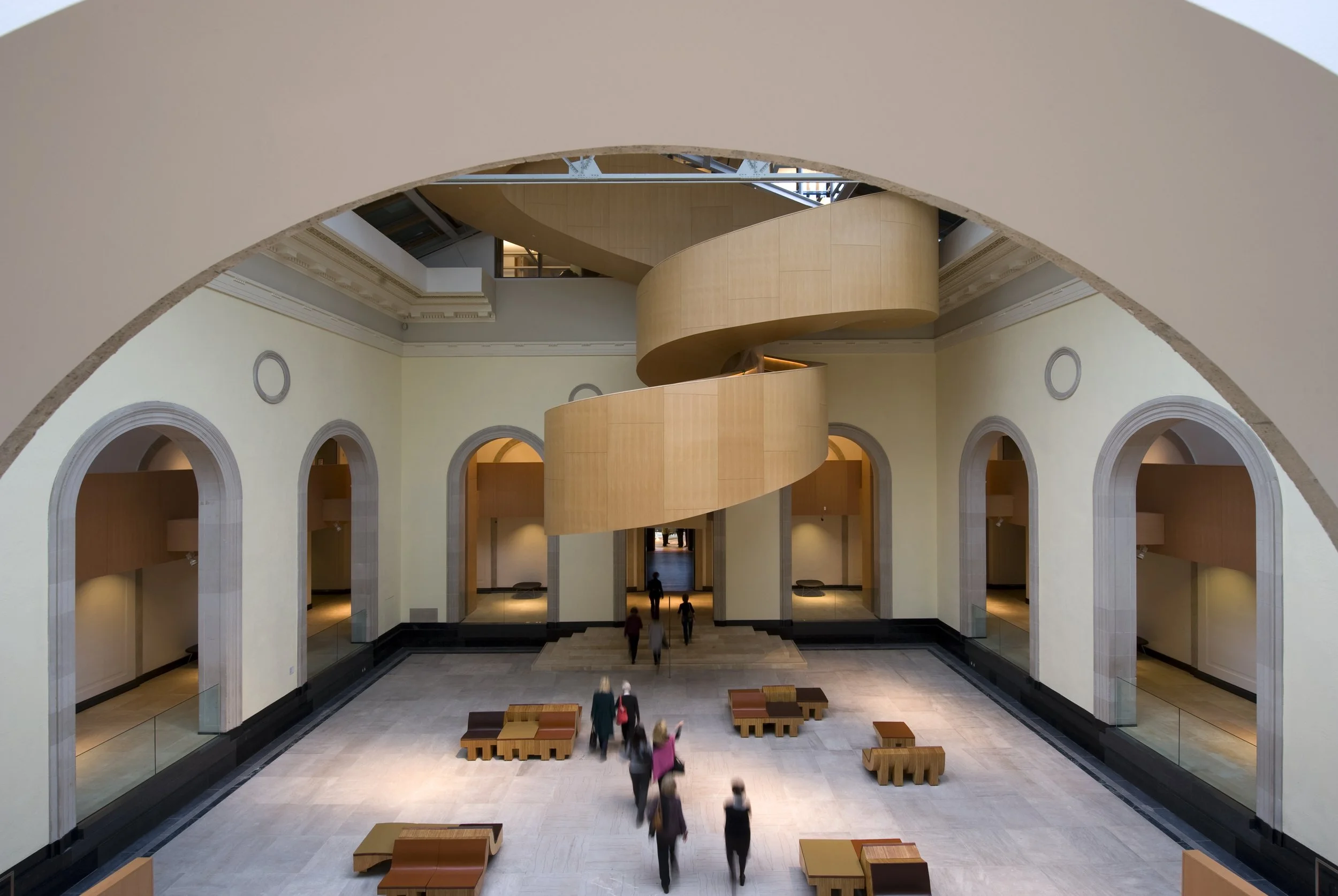
She spent more than a decade at Gehry Partners, where she worked directly with Frank Gehry and partner Craig Webb on projects including the transformation of the Art Gallery of Ontario and the Grand Avenue development in Los Angeles. In her final years at the firm, she led parallel design teams advancing both projects through complex phases of development.
Between her work at Gehry Partners and later leadership at Rockwell Group, Cara joined the Solomon R. Guggenheim Foundation, ultimately serving as Director of Architectural Projects. In that role she oversaw the architectural development of Guggenheim Abu Dhabi and the Helsinki Museum competition, working closely with Frank Gehry and global museum teams to shape some of the Guggenheim’s most ambitious institutional initiatives.
She later became a Studio Leader at Rockwell Group, directing a multidisciplinary studio of approximately 15 designers working across workplace, hospitality, and experiential design projects.
The projects below represent formative work completed while working within these organizations.
Art Gallery of Ontario Transformation
Location Toronto, Canada
Firm Gehry Partners LLP
Role Designer, Project Manager, Project Architect, 2004-2009
Type Cultural Institution/Exhibitions
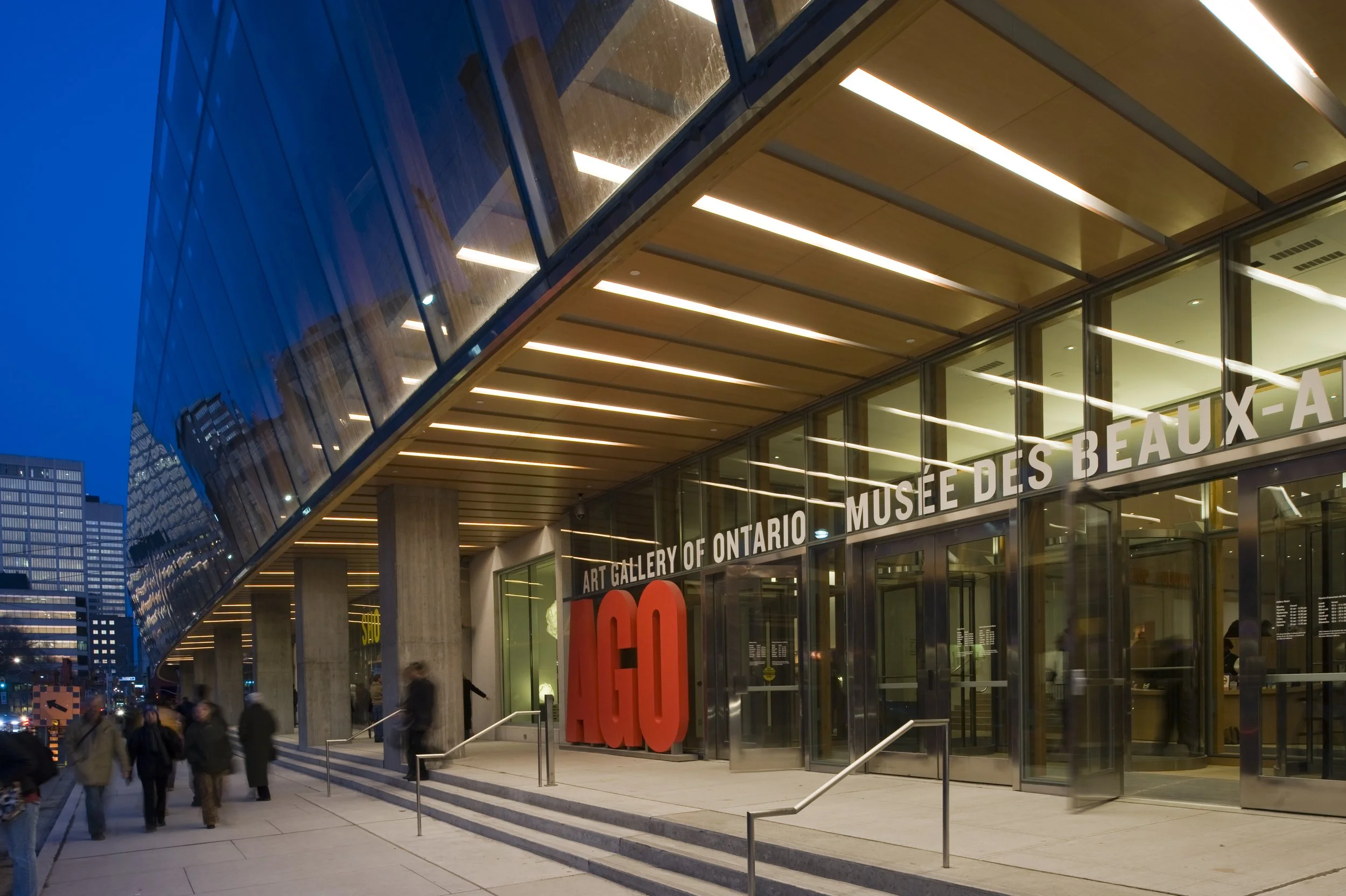
Image courtesy of Gehry Partners
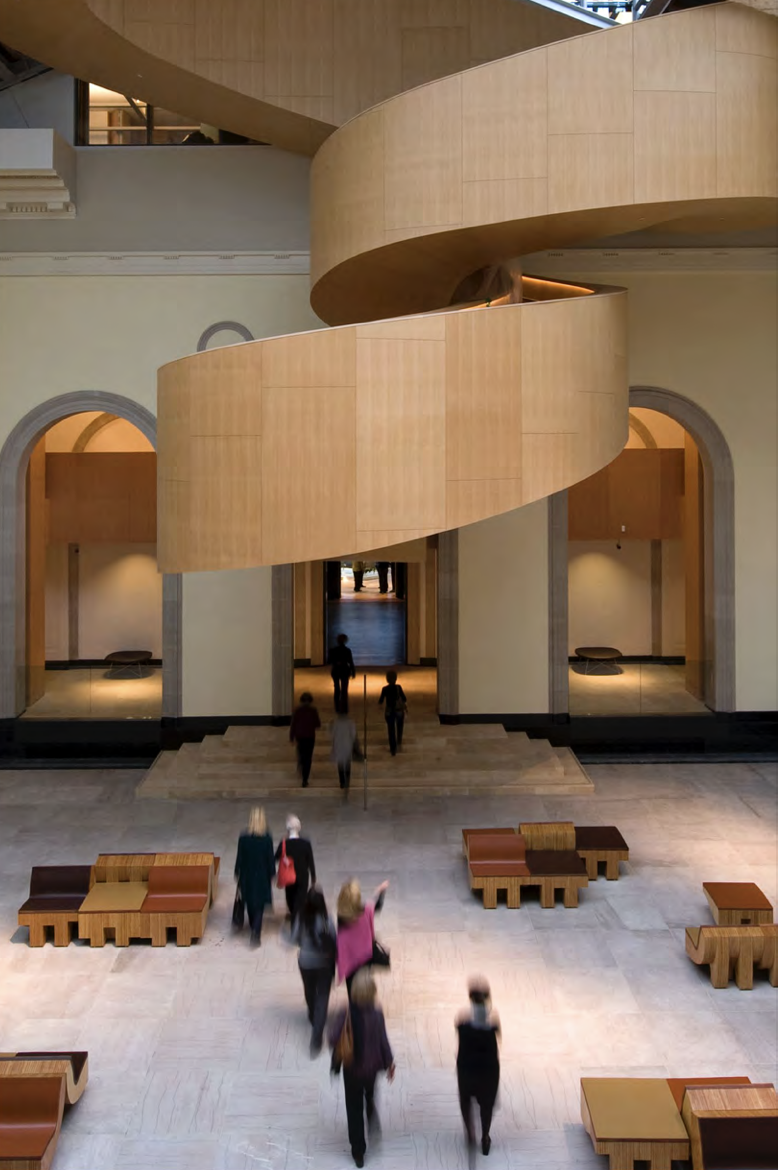
The Transformation AGO project was initiated following Ken Thomson’s landmark gift of art and funding to the Art Gallery of Ontario, supported by additional donors, the Ontario government, and an architectural expansion led by Frank Gehry. Central to the project was the creation of new galleries and visitor spaces to showcase The Thomson Collection and elevate the museum’s public experience.
Cara collaborated closely with Frank Gehry and partner Craig Webb, overseeing the design and development of exhibitions, hospitality spaces, custom furniture, and visitor experience elements. She managed a team of five designers and coordinated directly with AGO leadership—including director Matthew Teitelbaum, the Thomson family, curators, conservators, lighting designer L’Observatoire, and museum case makers Click Netherfield in Scotland. The design process involved extensive iteration using physical models, rendered studies, and full-scale mock-ups to integrate thousands of objects and new environments within Gehry’s transformation. The museum reopened to the public in 2008.
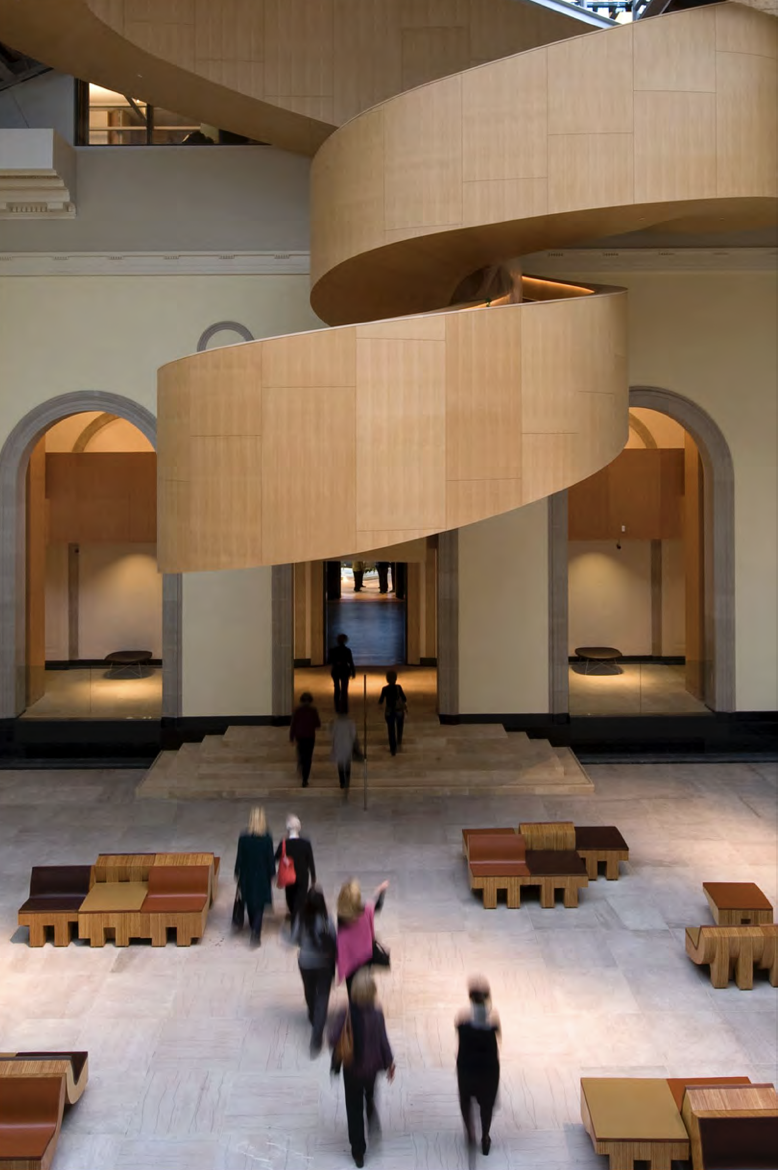
Image courtesy of Gehry Partners
The Thomson Collection of European Art
Type Permanent Exhibition
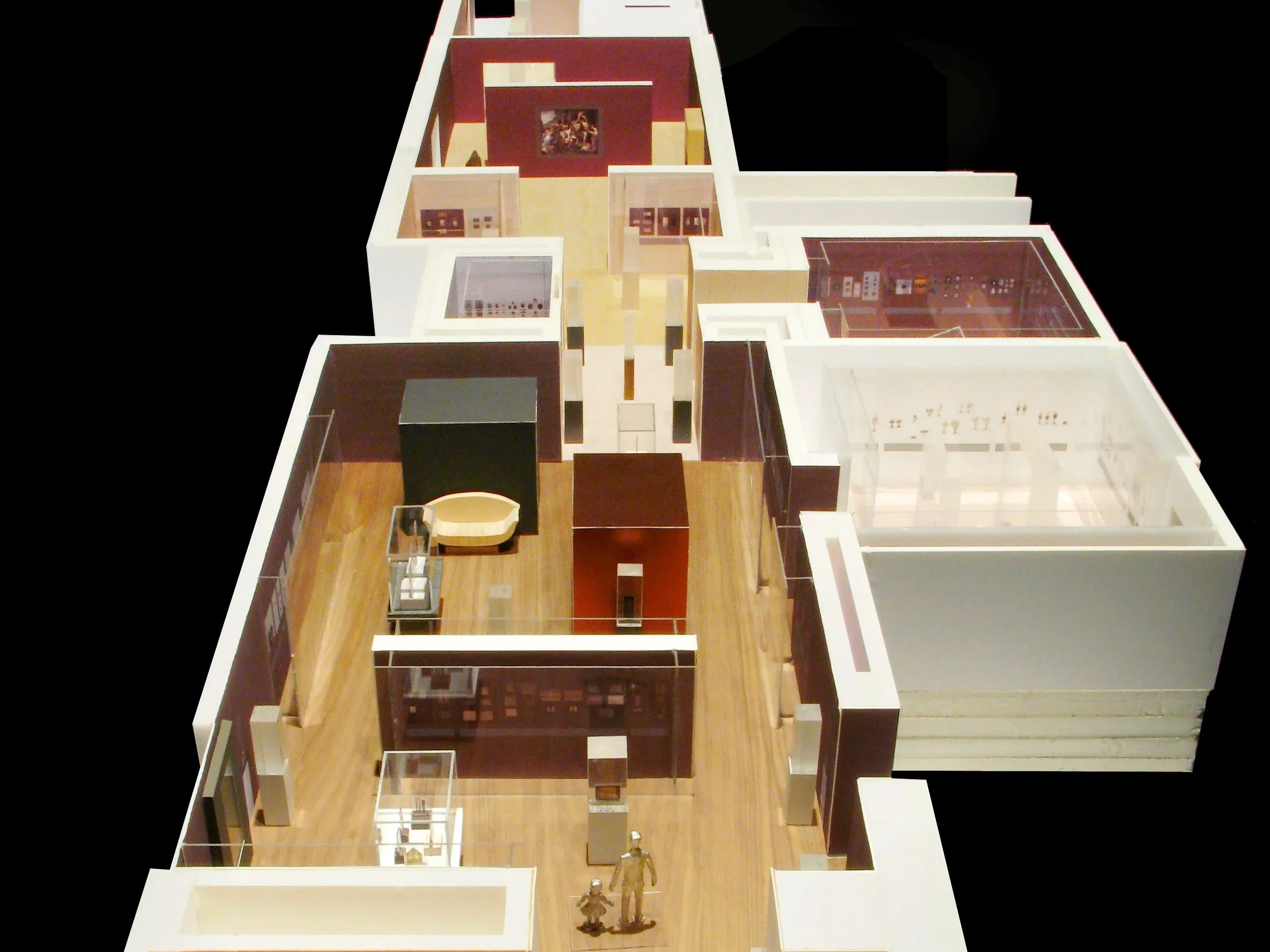
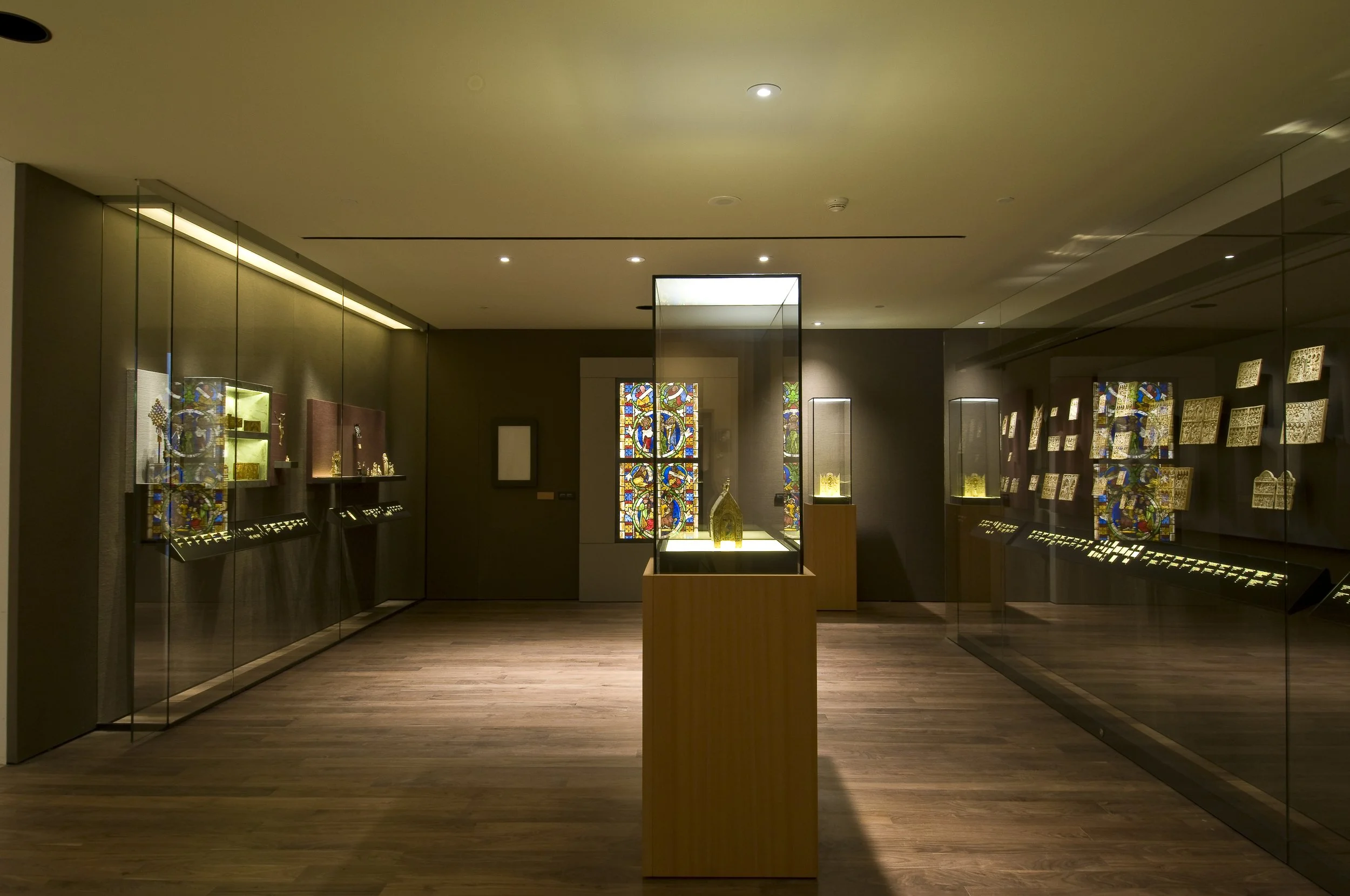
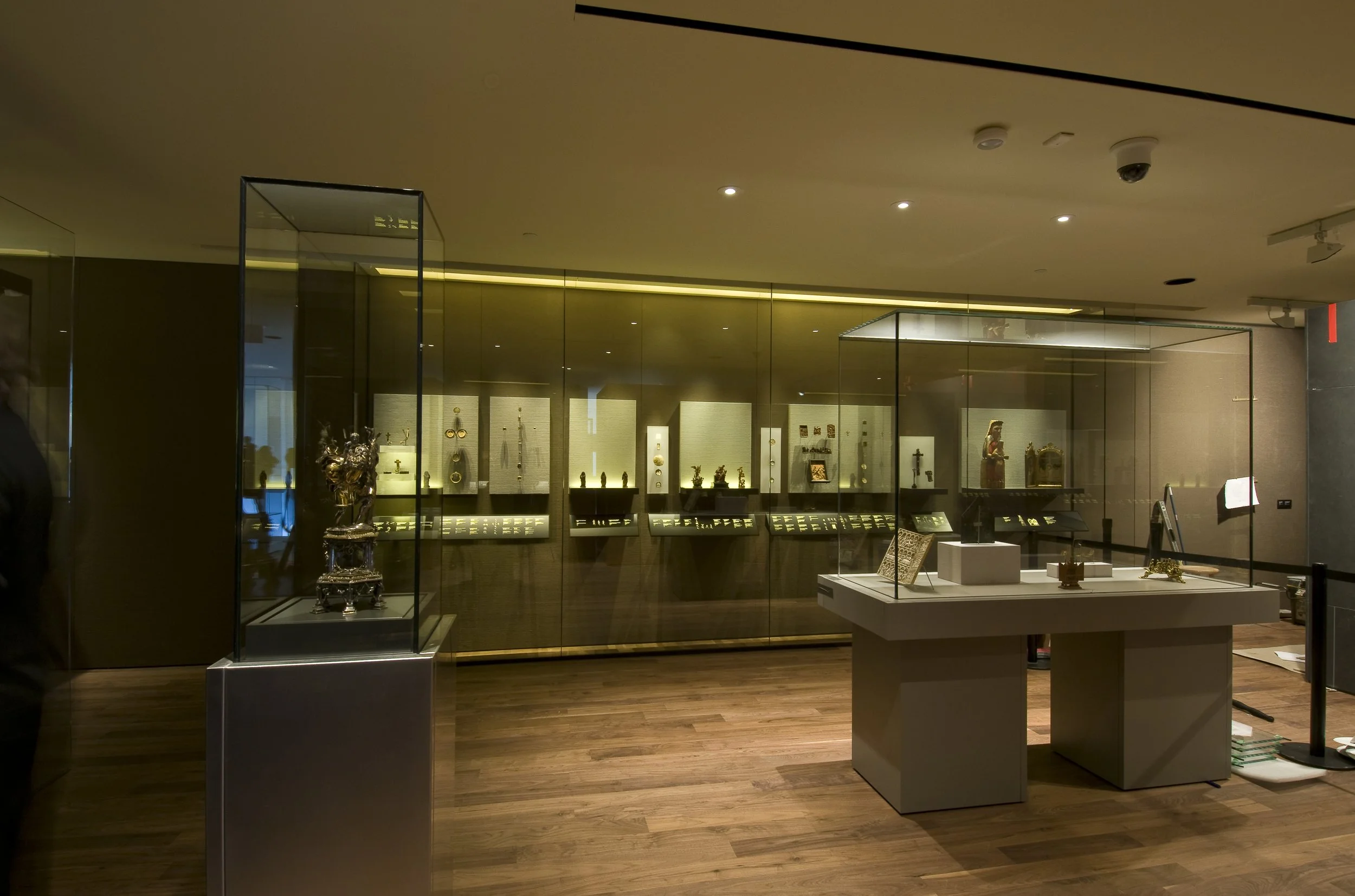


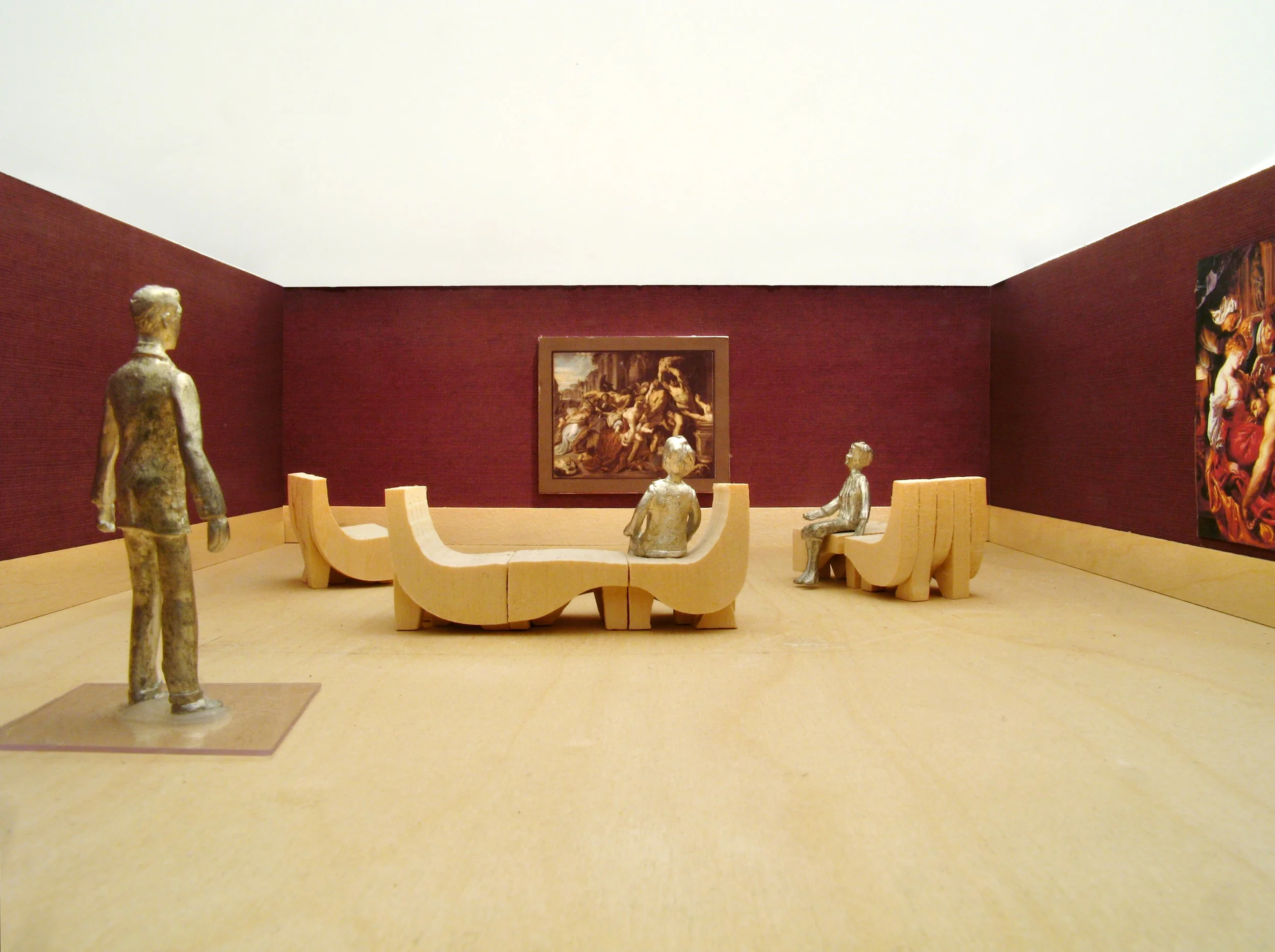
The Thomson Collection of European Art comprises over 900 artifacts from the early Middle Ages to the mid-19th century, representing one of the most significant private gifts to a North American museum. Cara led the exhibition design for the galleries housing the collection, coordinating a design team and managing the complex relationships between the museum, the Thomson family, and Gehry Partners.
The design process included model-making, rendered elevations, and full-scale mock-ups to address the display of small objects. The team used large paper elevations and object maquettes to test spatial arrangements and ensure clarity and elegance in the presentation. Custom display cases, developed with Click Netherfield in Scotland, incorporated specialized mounts, lighting systems, and conservation requirements.
The Thomson Collection of Ship Models
Type Permanent Exhibition
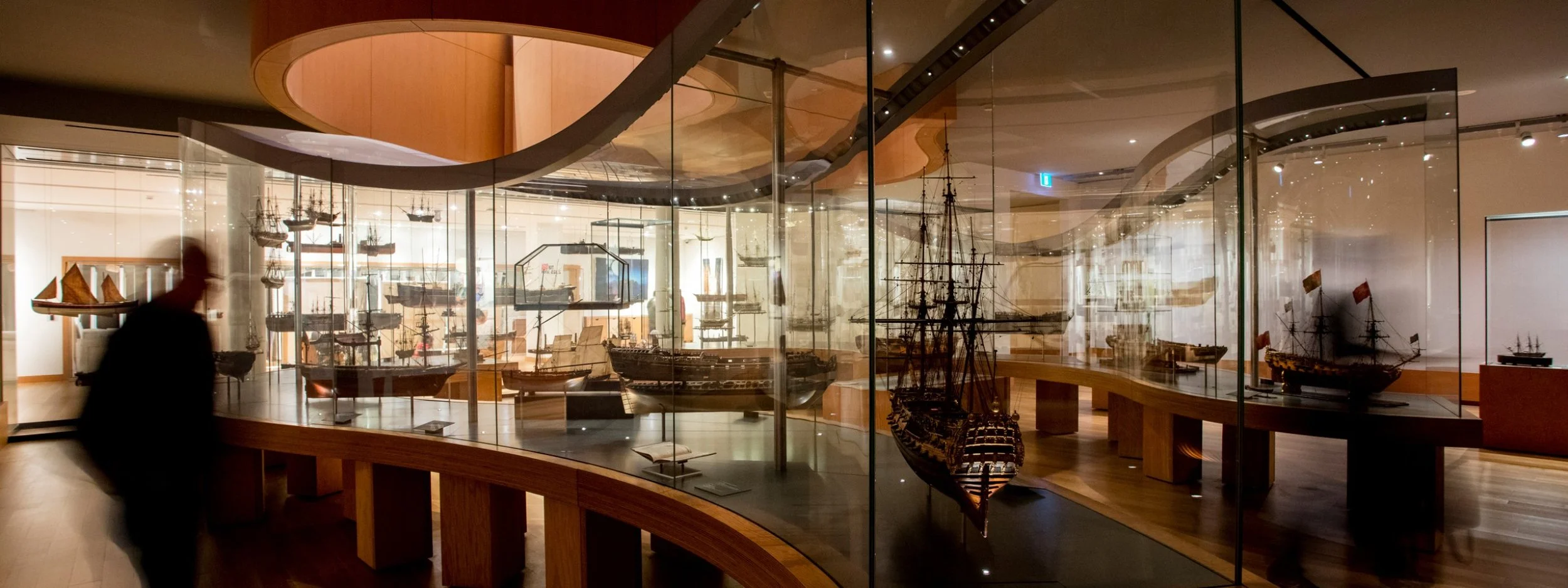
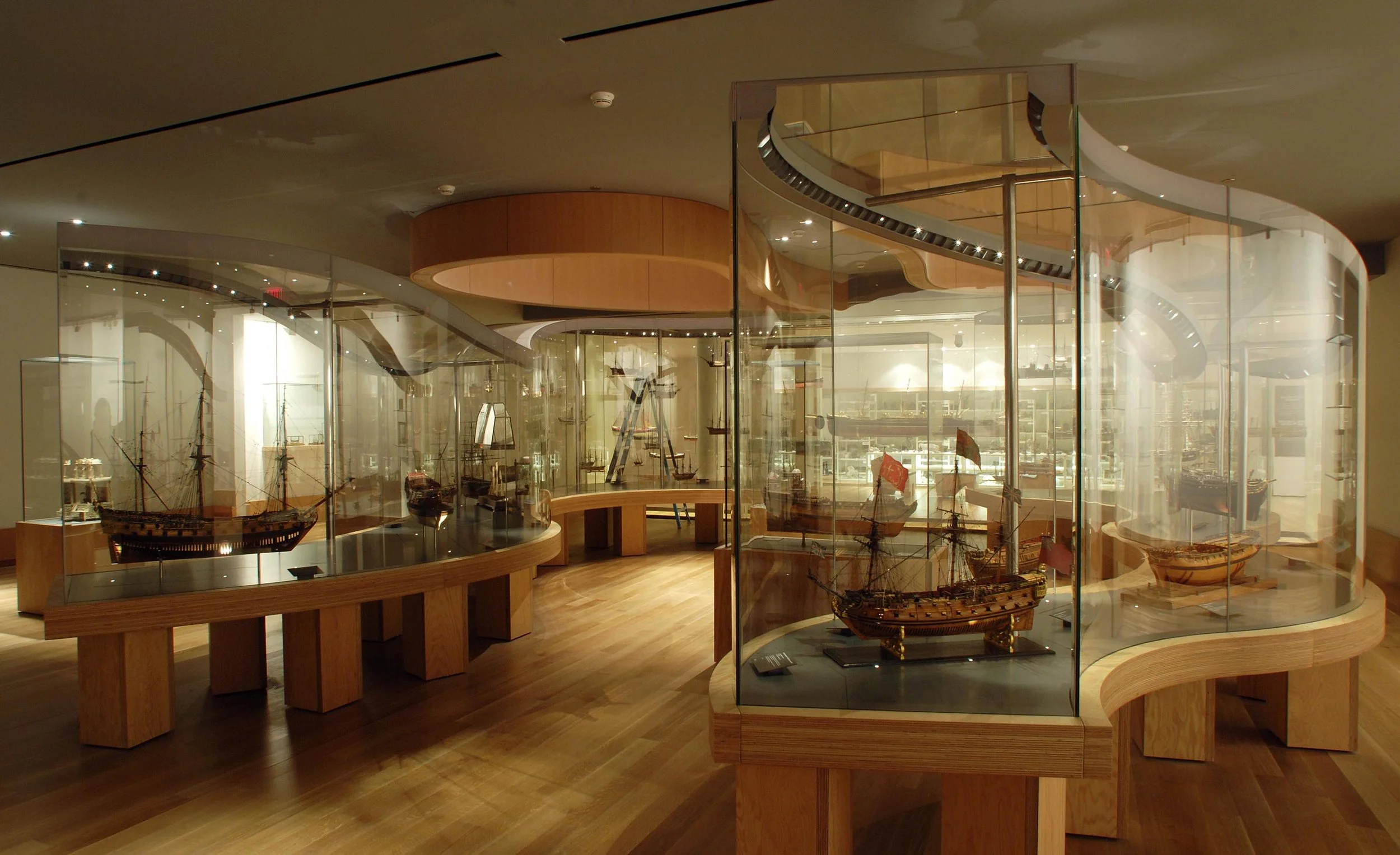
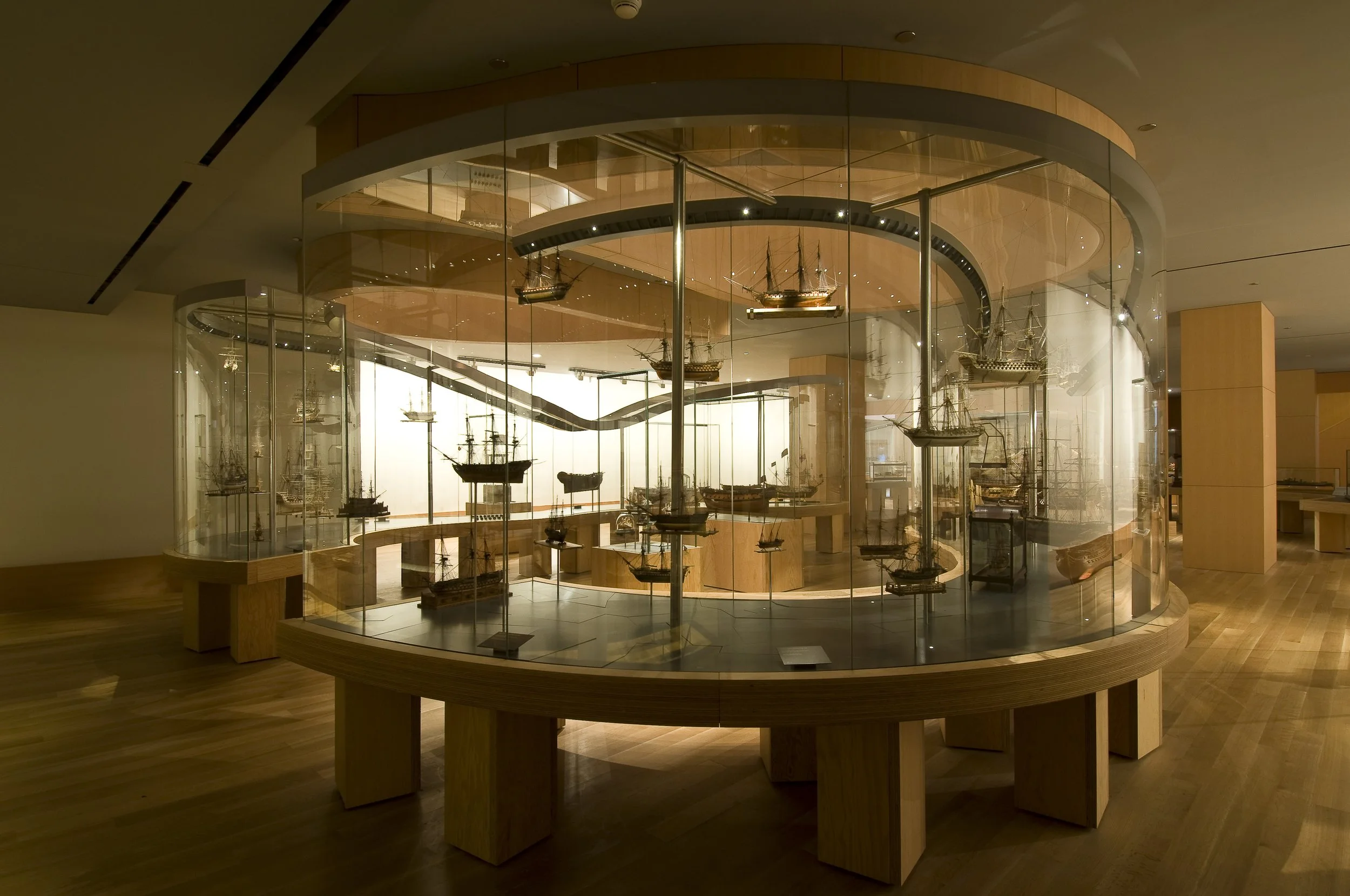
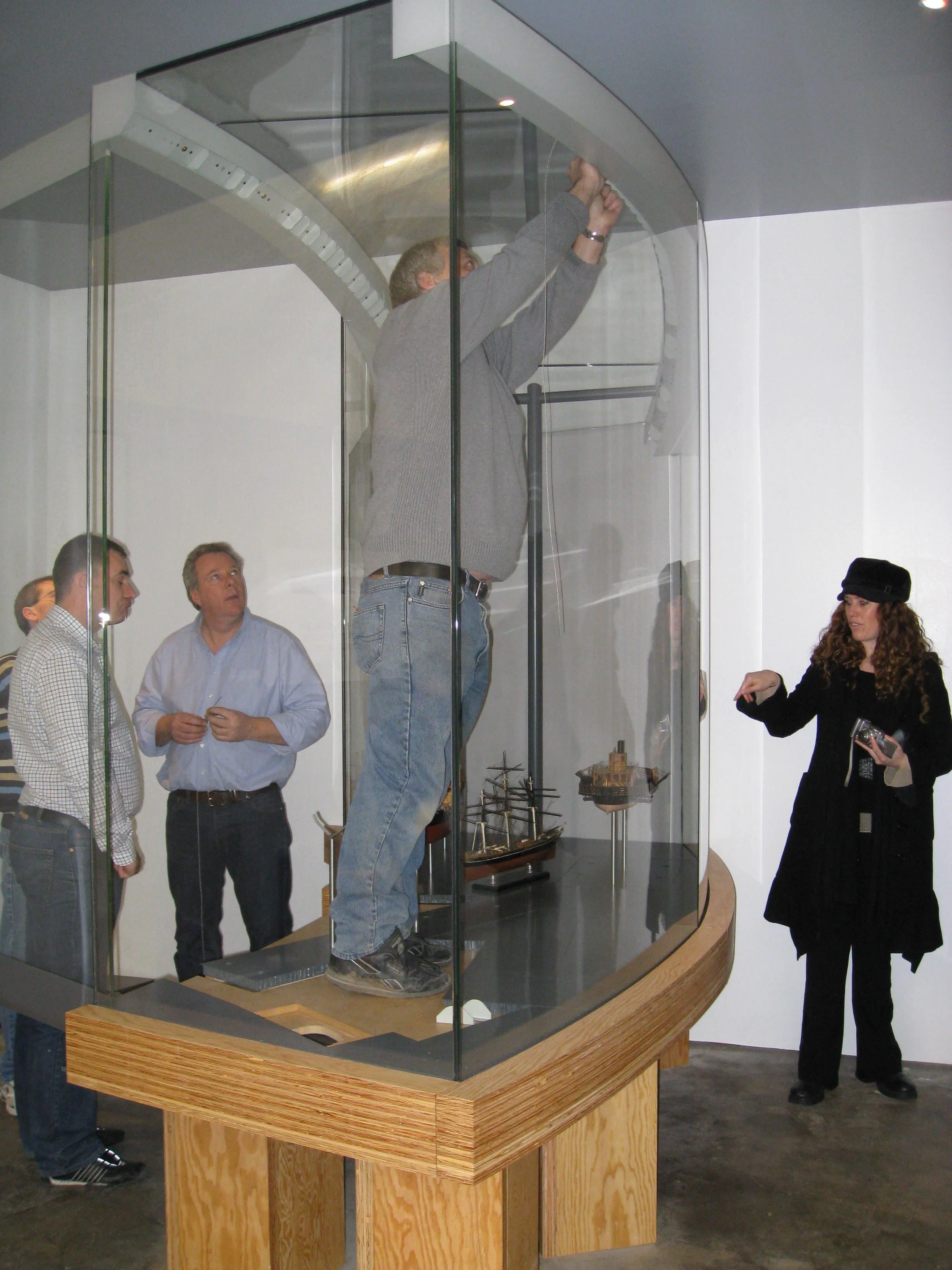
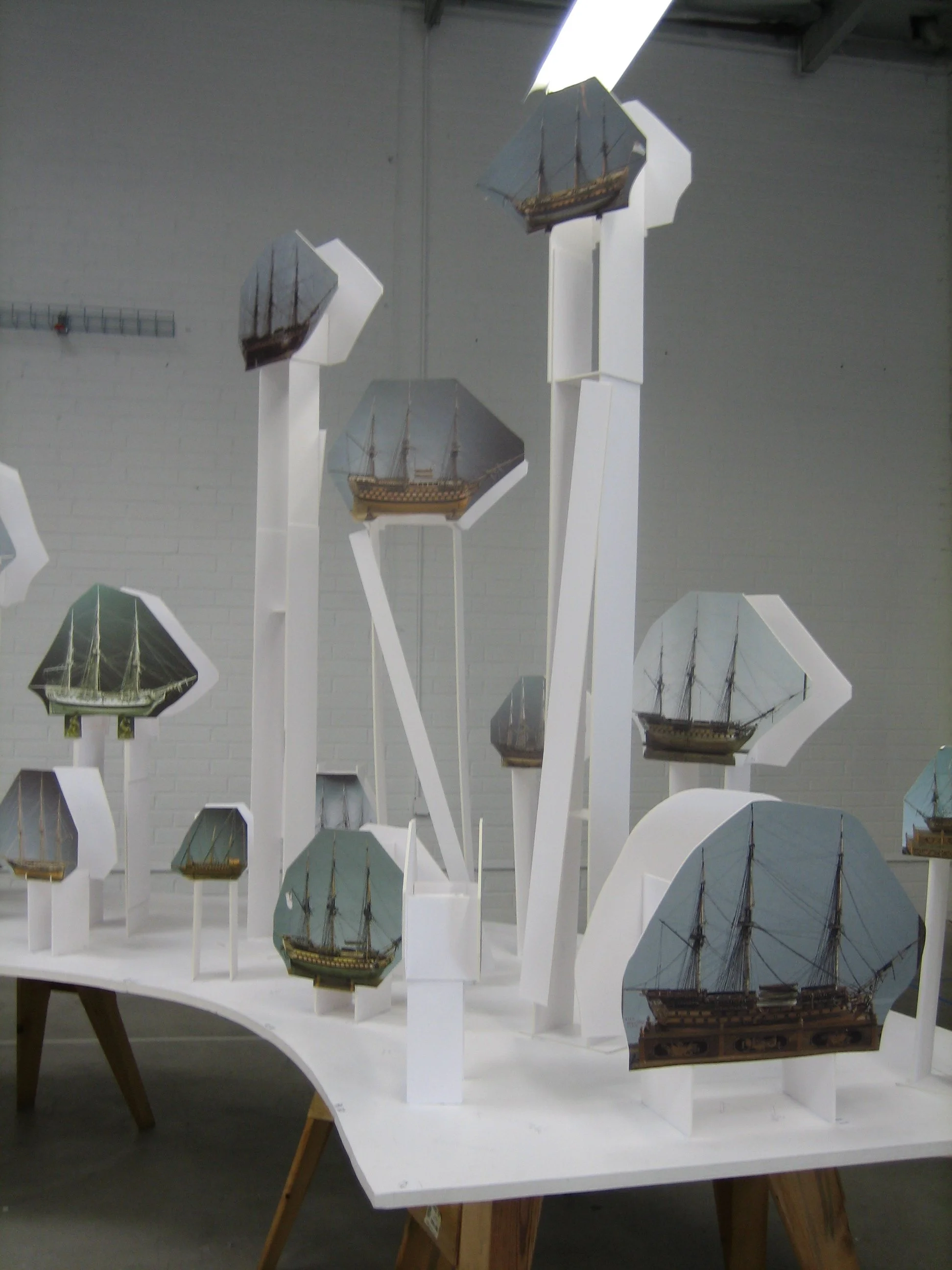
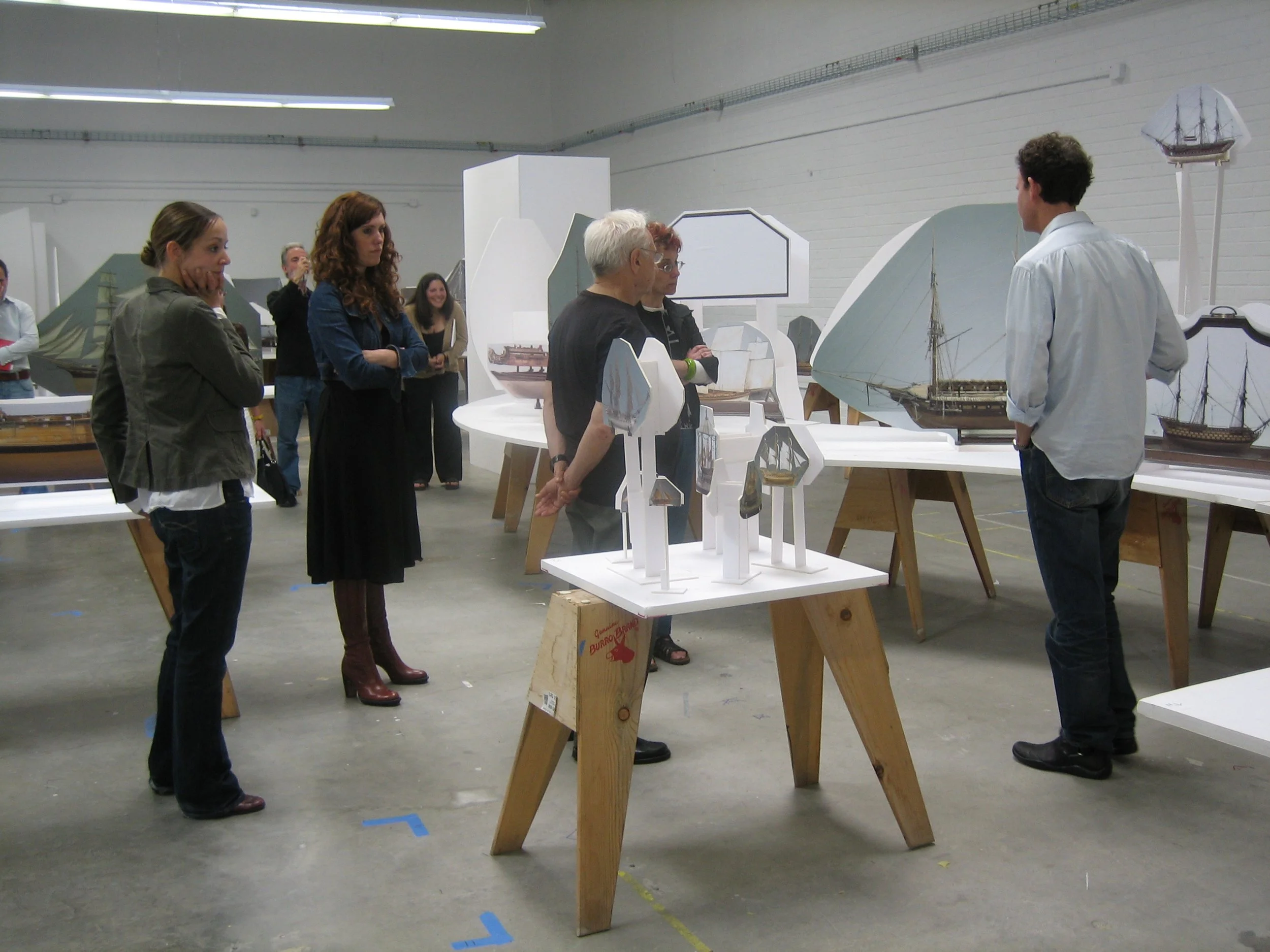
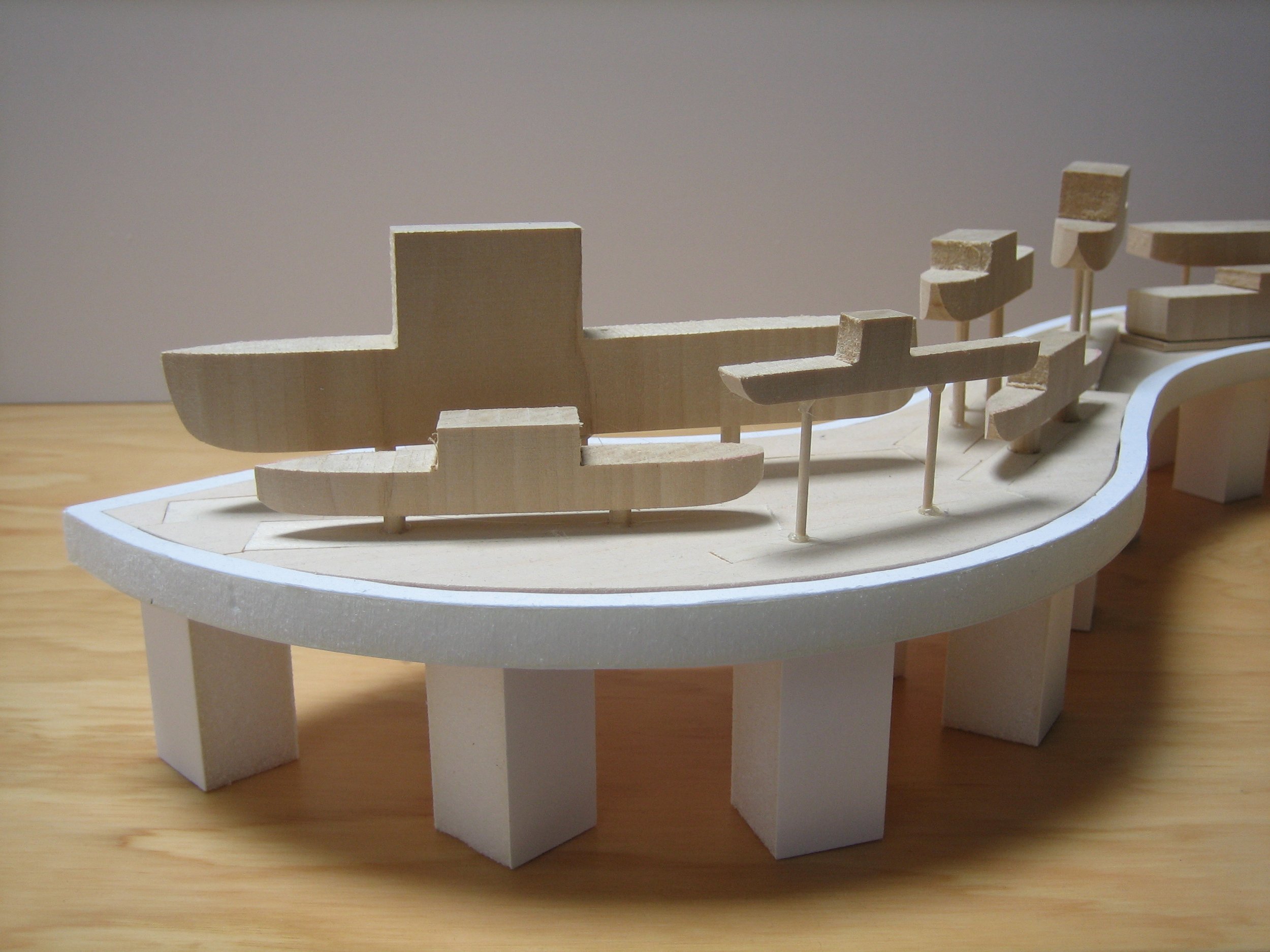
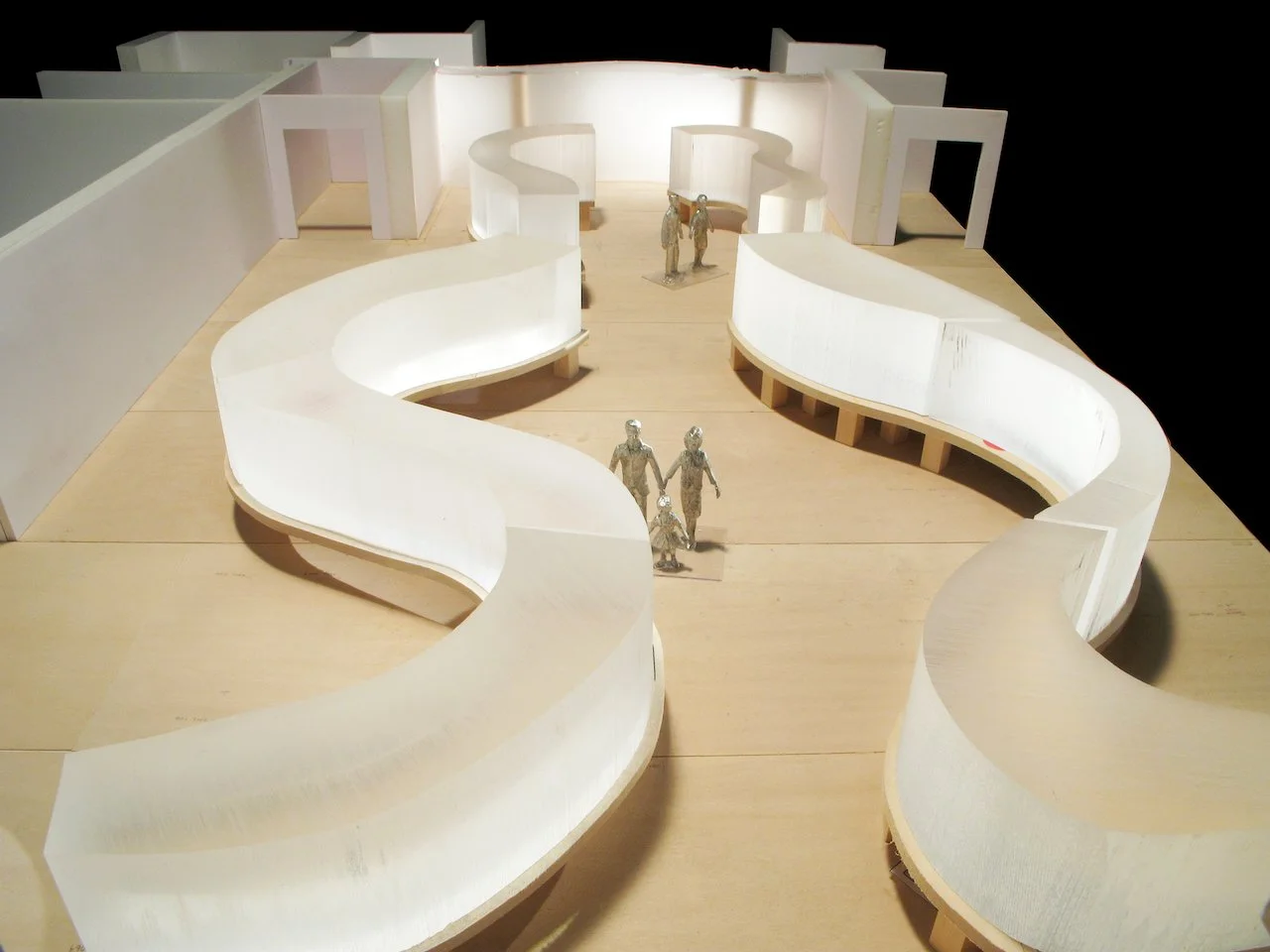
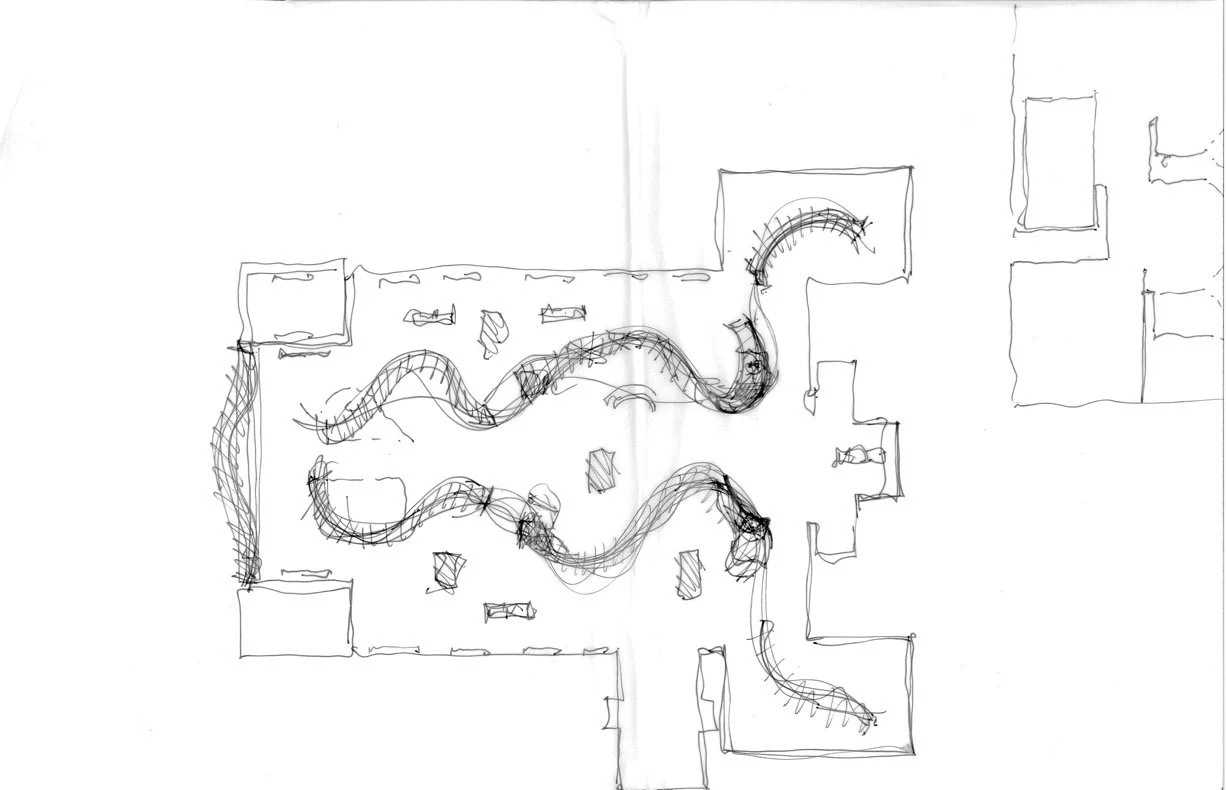
This collection features over 350 years of maritime craftsmanship and some of the finest historic ship models. Frank Gehry envisioned displaying the ships in curved glass cases. Cara led the development of this concept, working with Craig Webb, through scaled models and a full-scale warehouse mock-up in Los Angeles. The cases, fabricated in Scotland, required the largest curved glass panels produced at the time and were designed for integrated lighting and secure mounting, ensuring visual continuity across the gallery.
Frank Restaurant
Type Hospitality/Restaurant
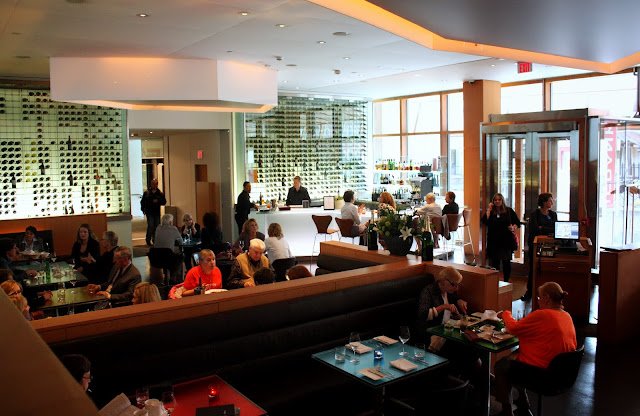
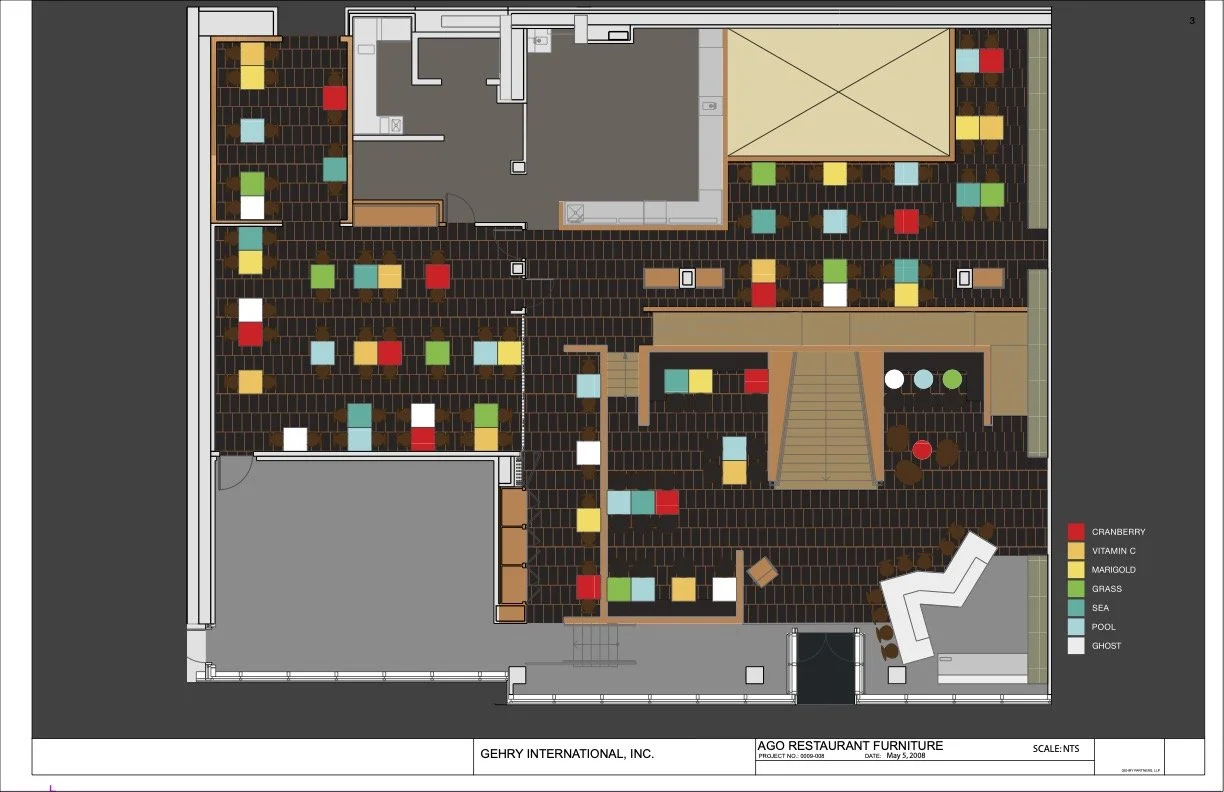
Frank Restaurant, situated on the Dundas Street façade of the AGO, was designed to extend the museum’s cultural experience into a public hospitality space. Cara led the interior architecture from concept through construction, directing spatial planning, custom furniture, and key interior elements like the bar and wine display. She collaborated with her team and 3form to develop a mirrored translucent application of their Chroma material, creating luminous surfaces that reflected light throughout the dining area. The project was coordinated with the larger building architecture and a restaurant consultant for operational aspects.
Café AGO
Type Hospitality/Cafe
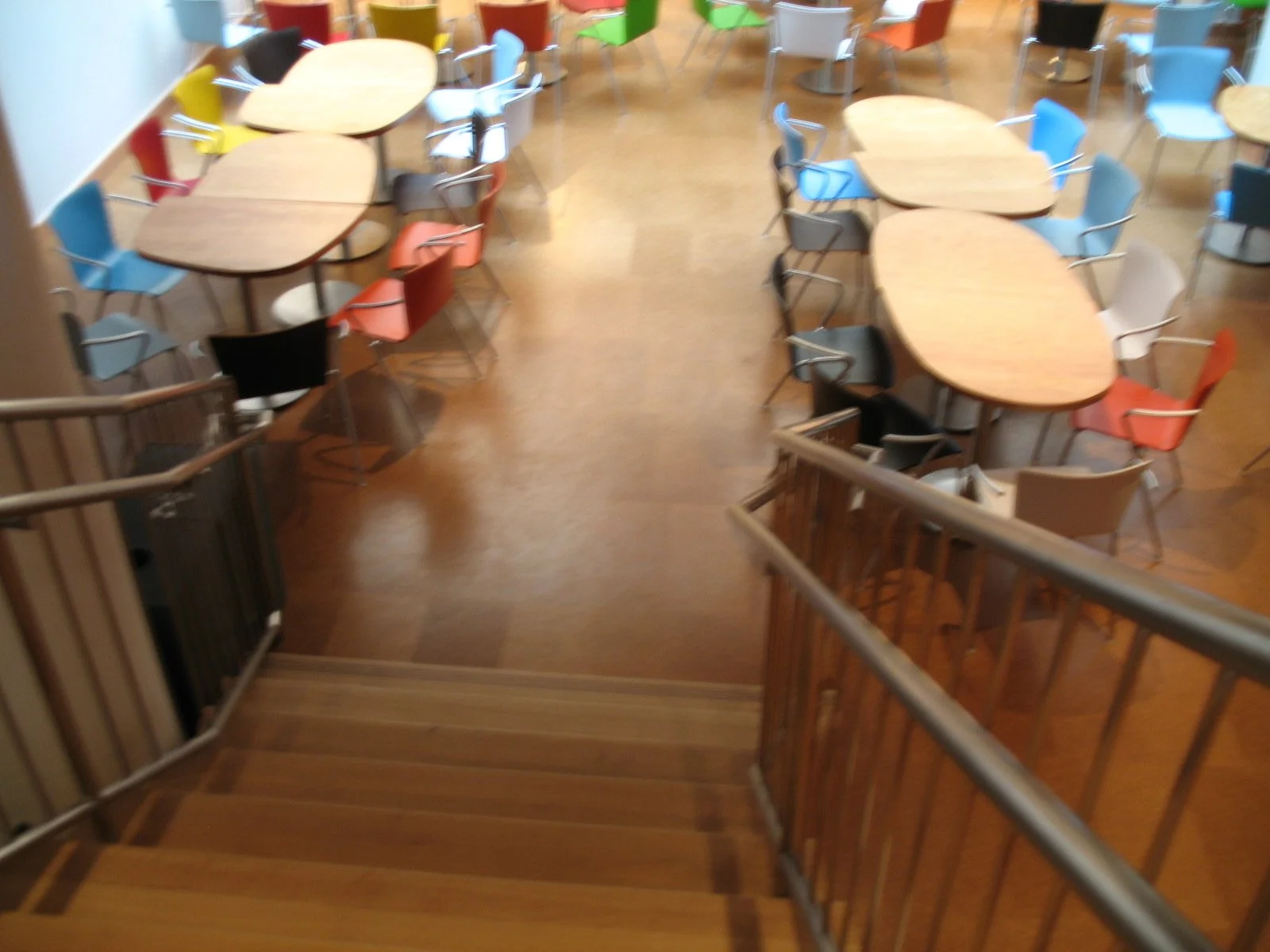
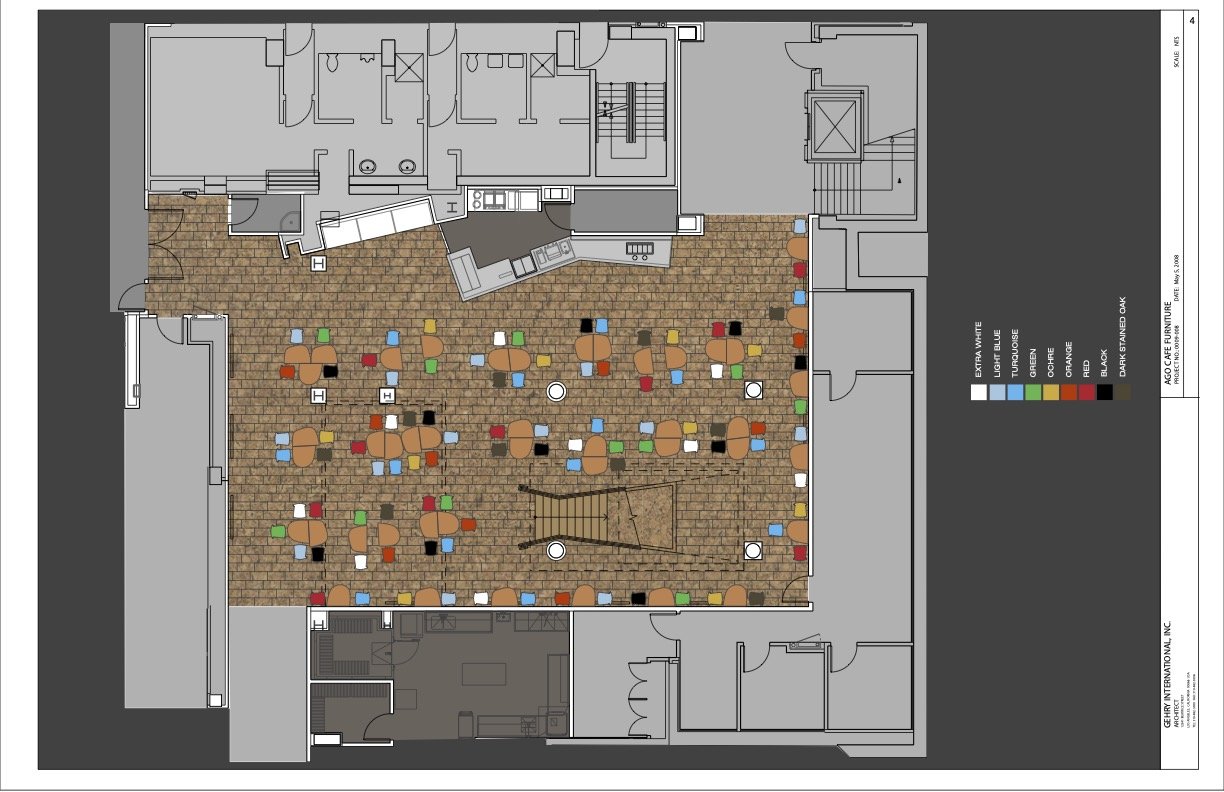
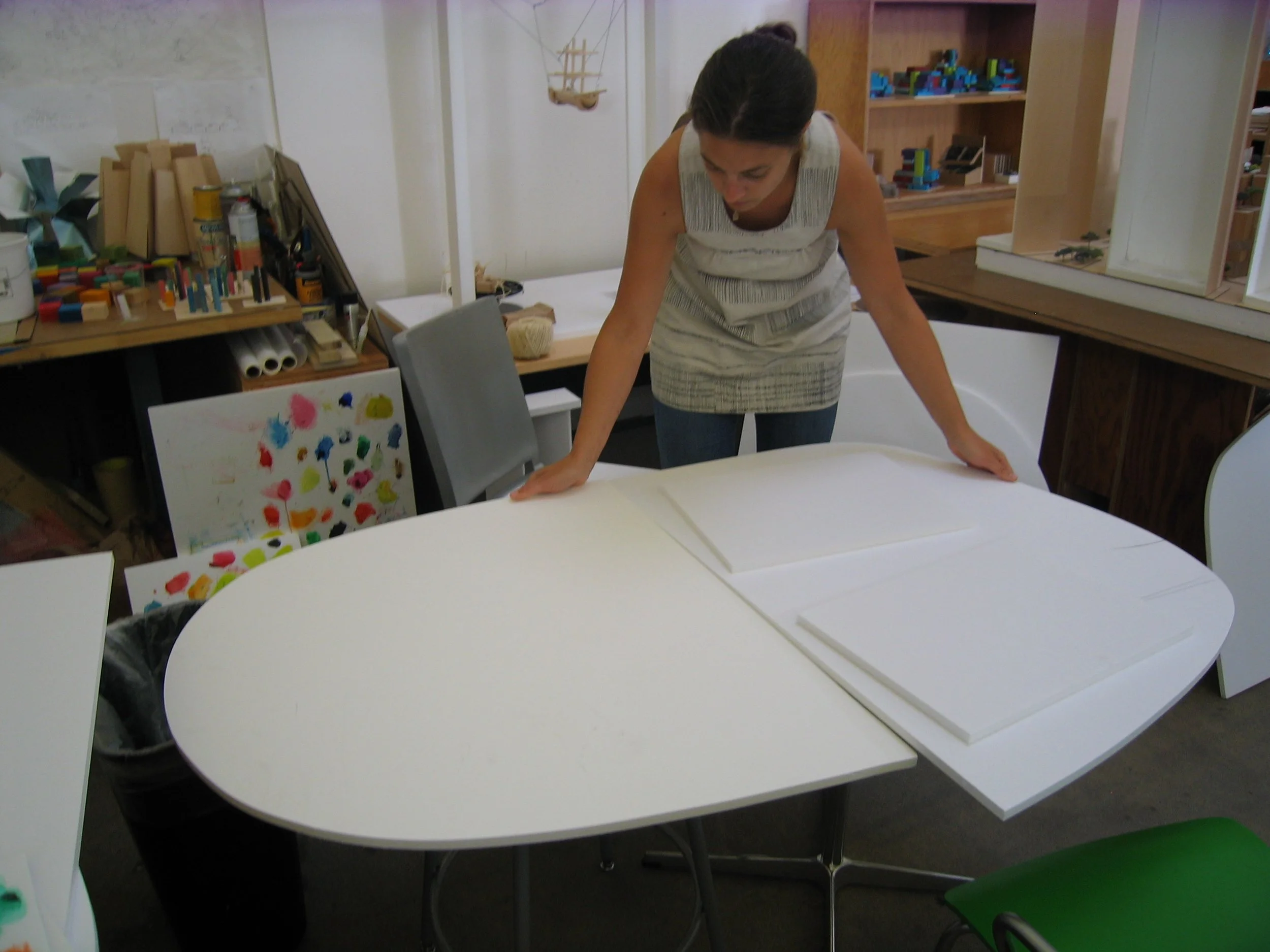
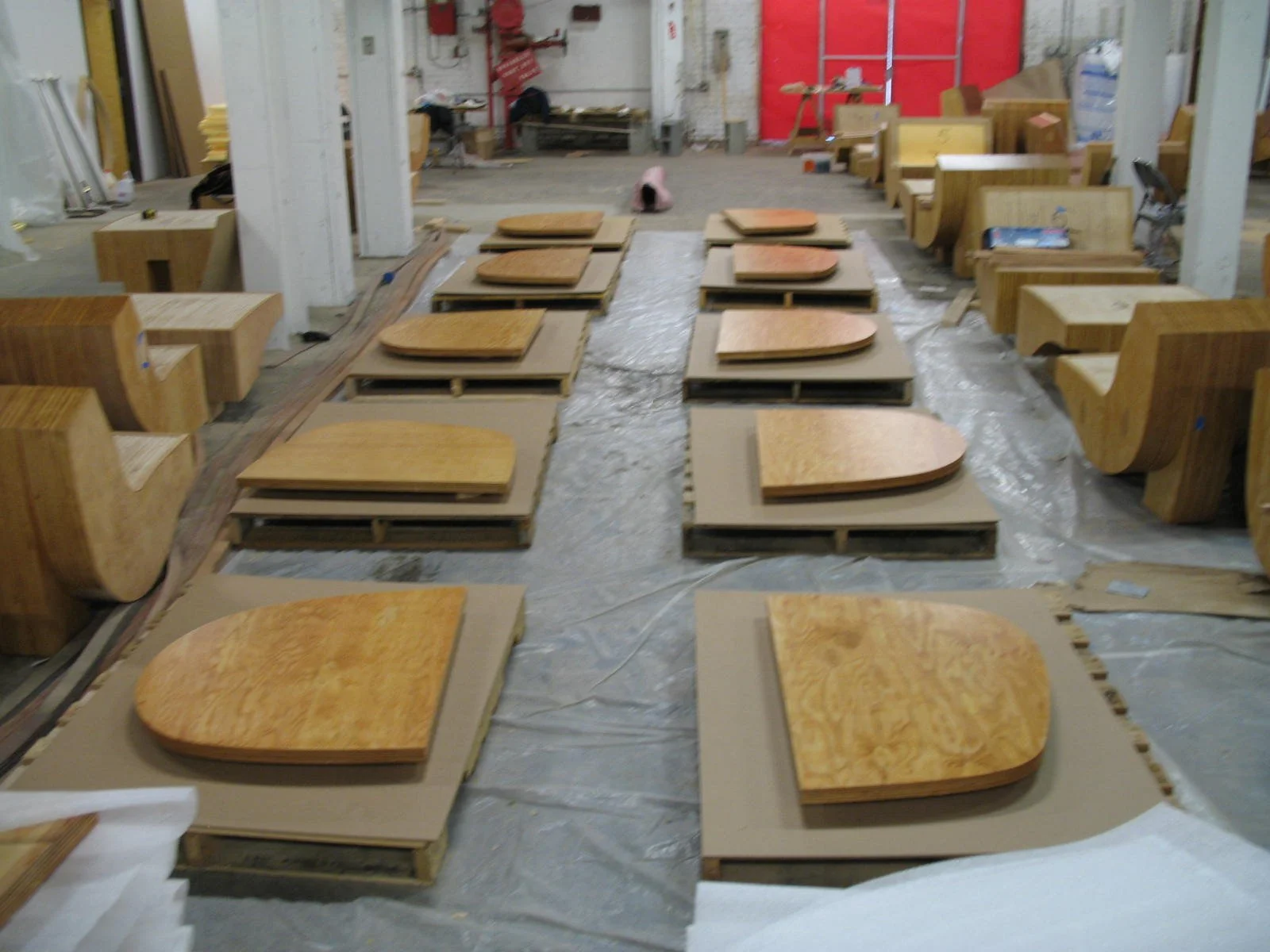
Café AGO, a casual dining space for museum visitors, was designed beneath the Frank Restaurant and connected via a monumental stair. Cara led the design of the café environment, including planning, furniture selection, and custom table designs. The café provides a relaxed space for up to one hundred guests.
Adam and Eve Benches
Type Furniture
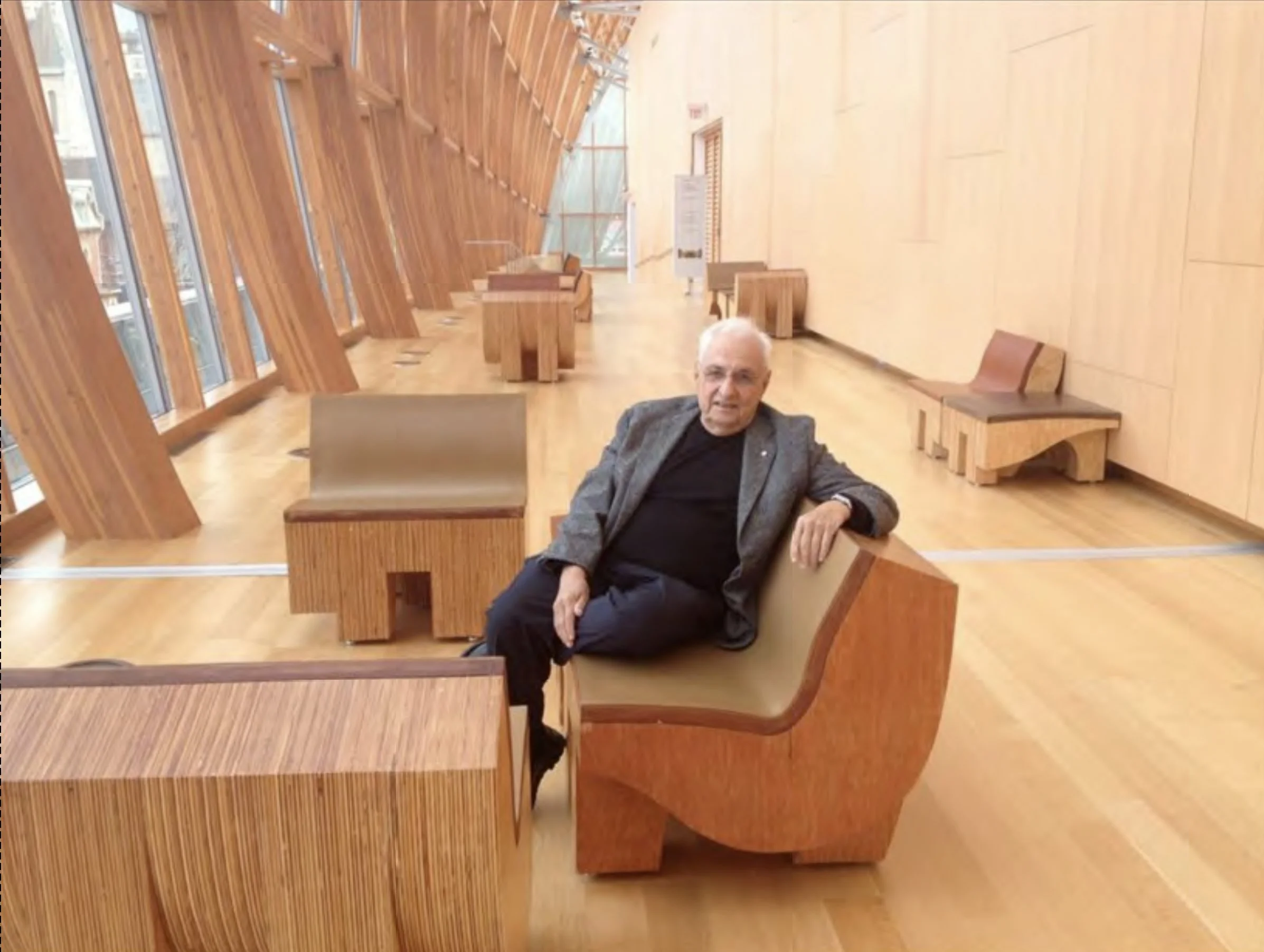
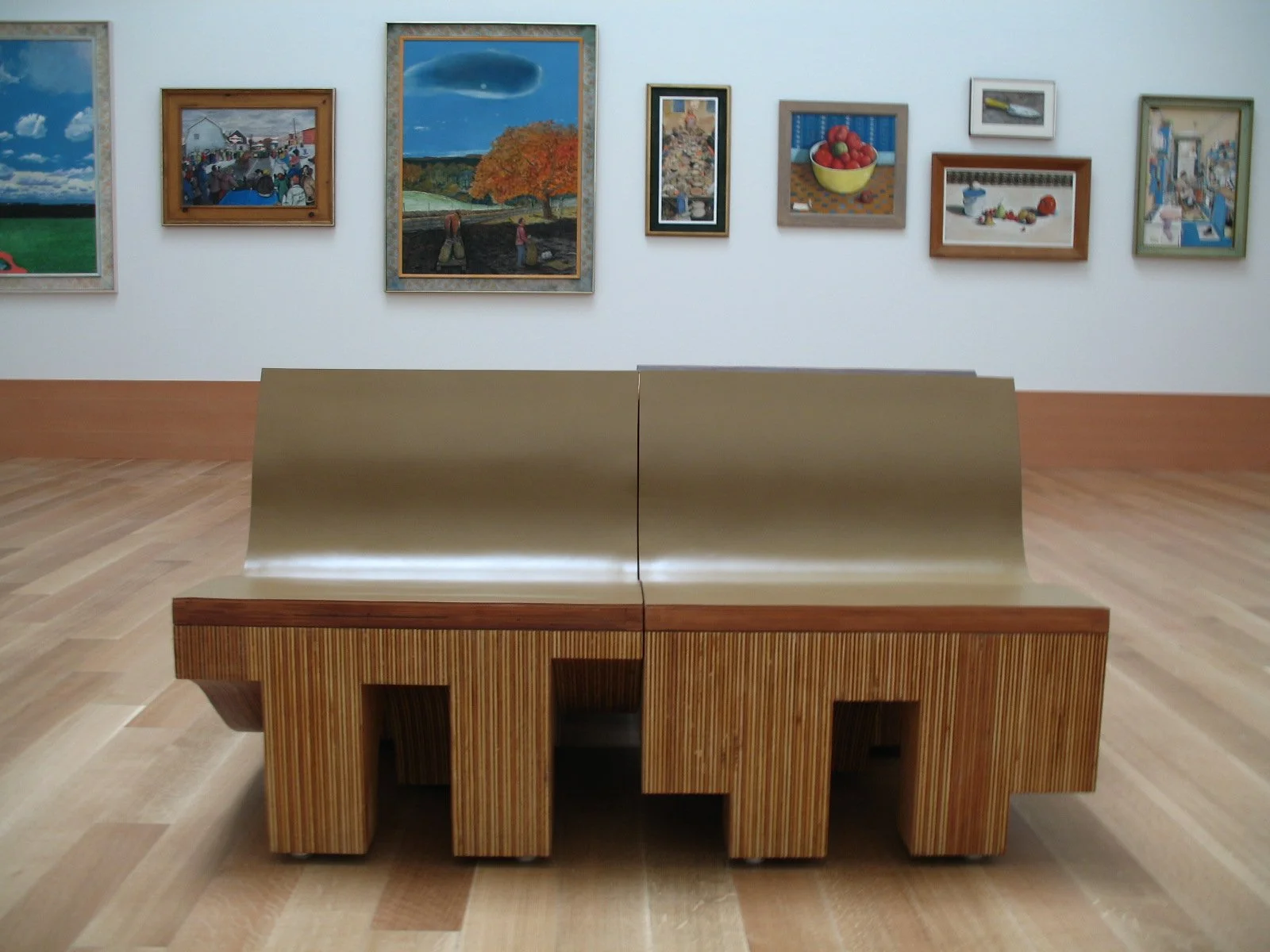
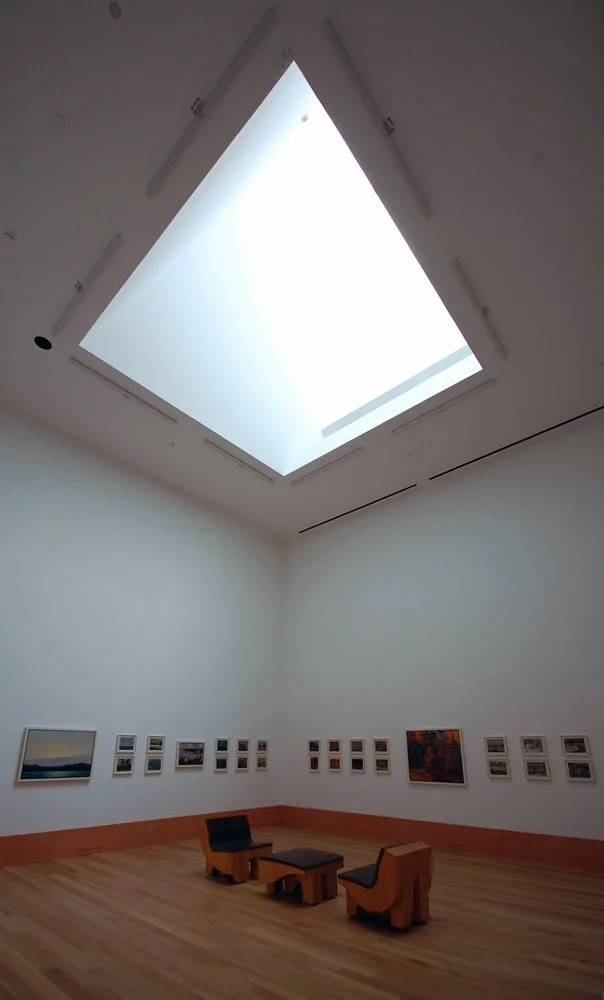
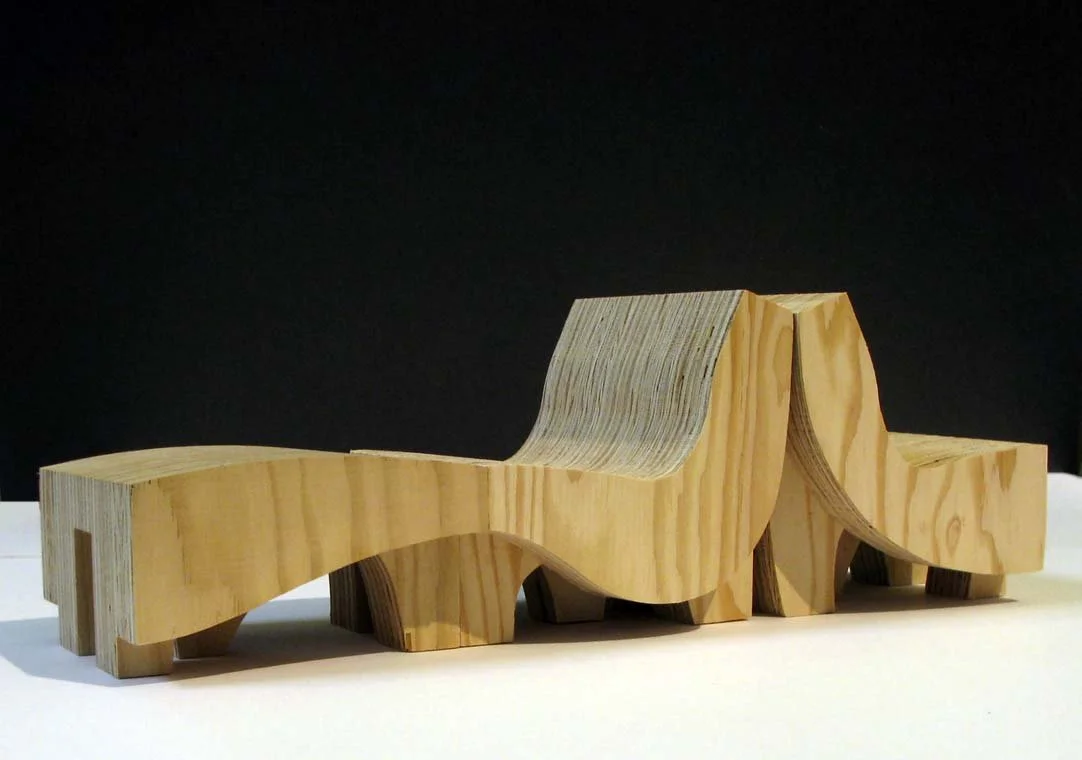
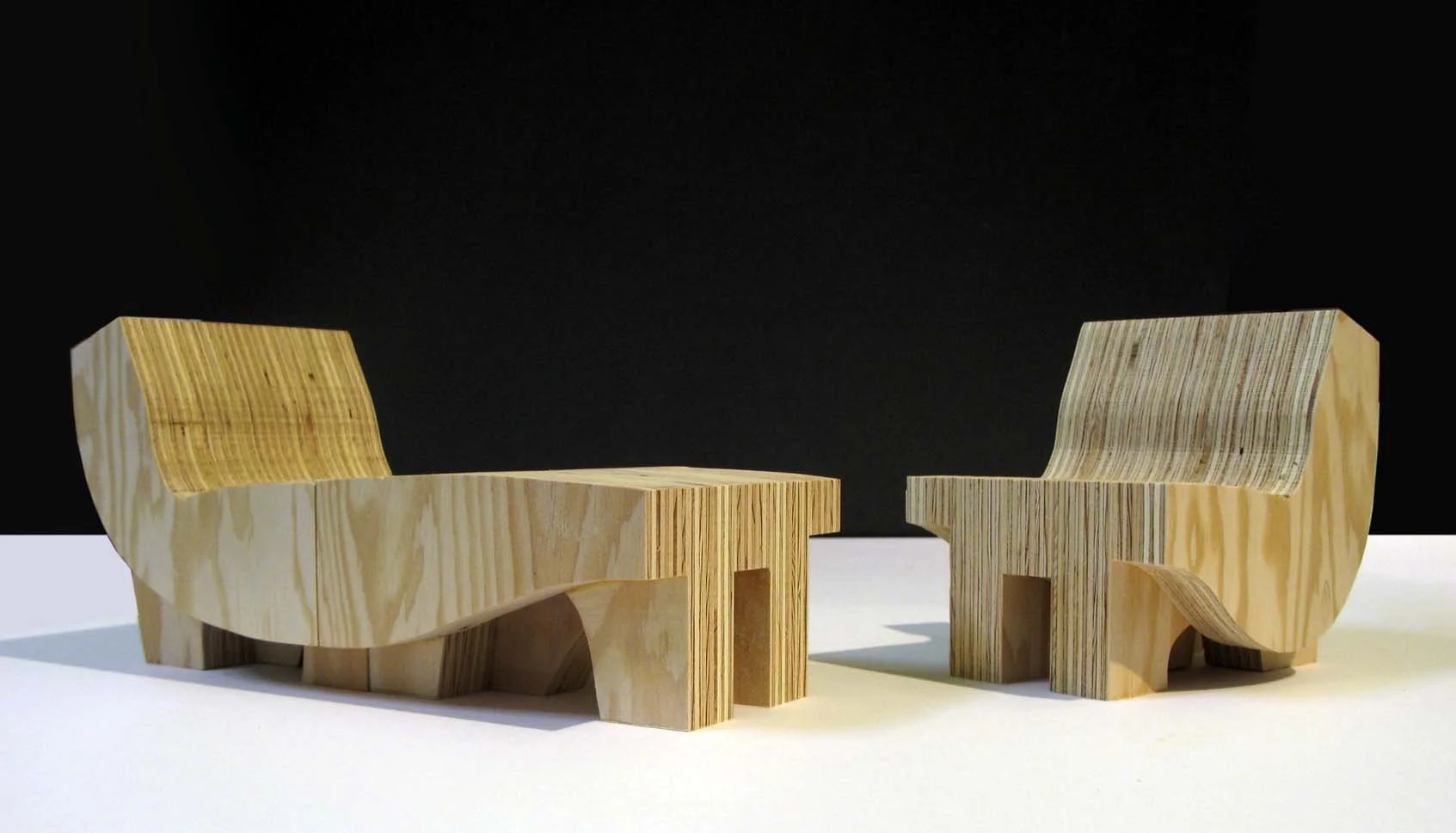
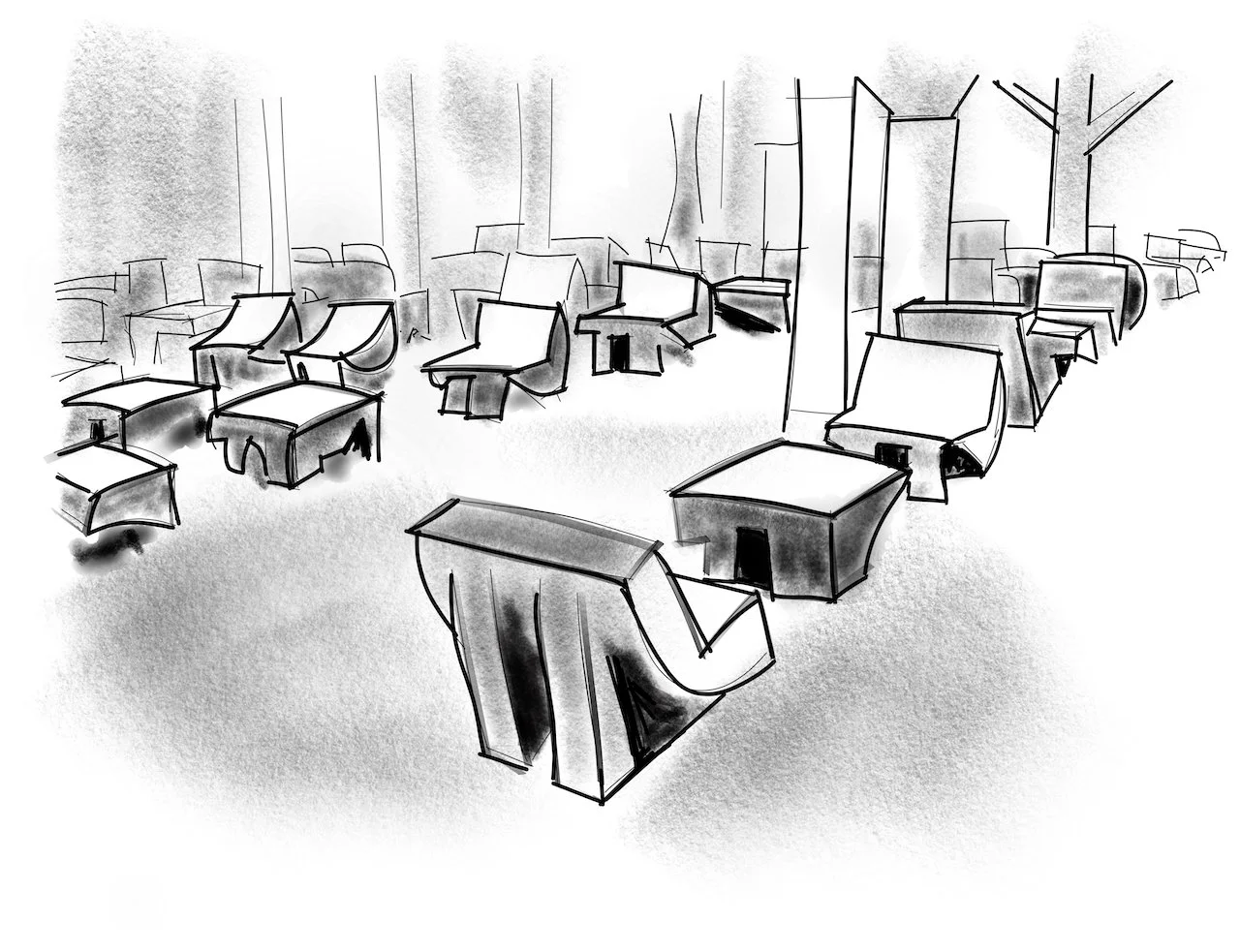
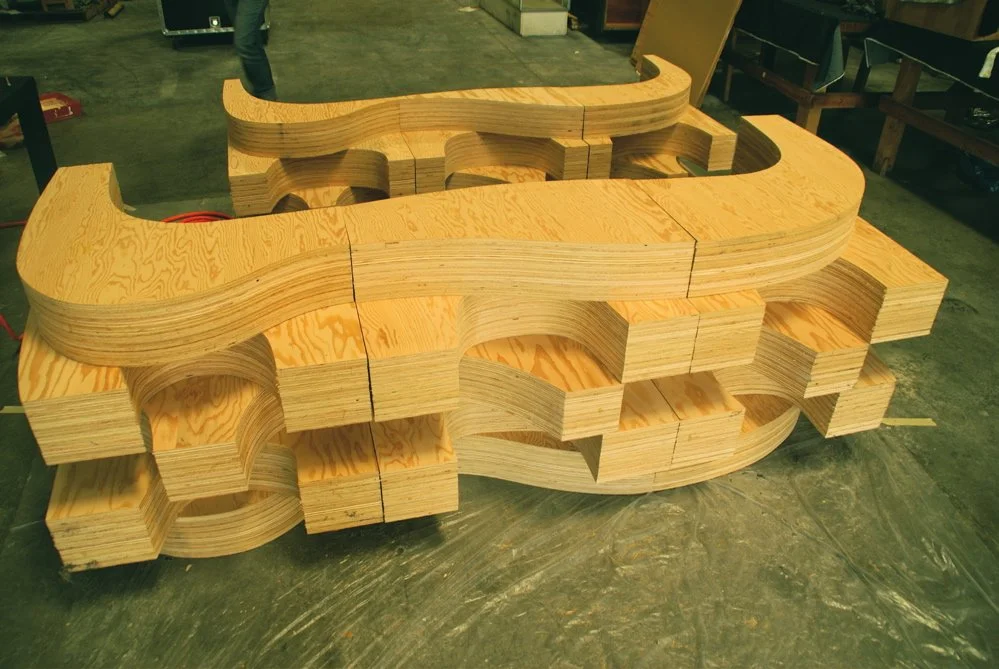
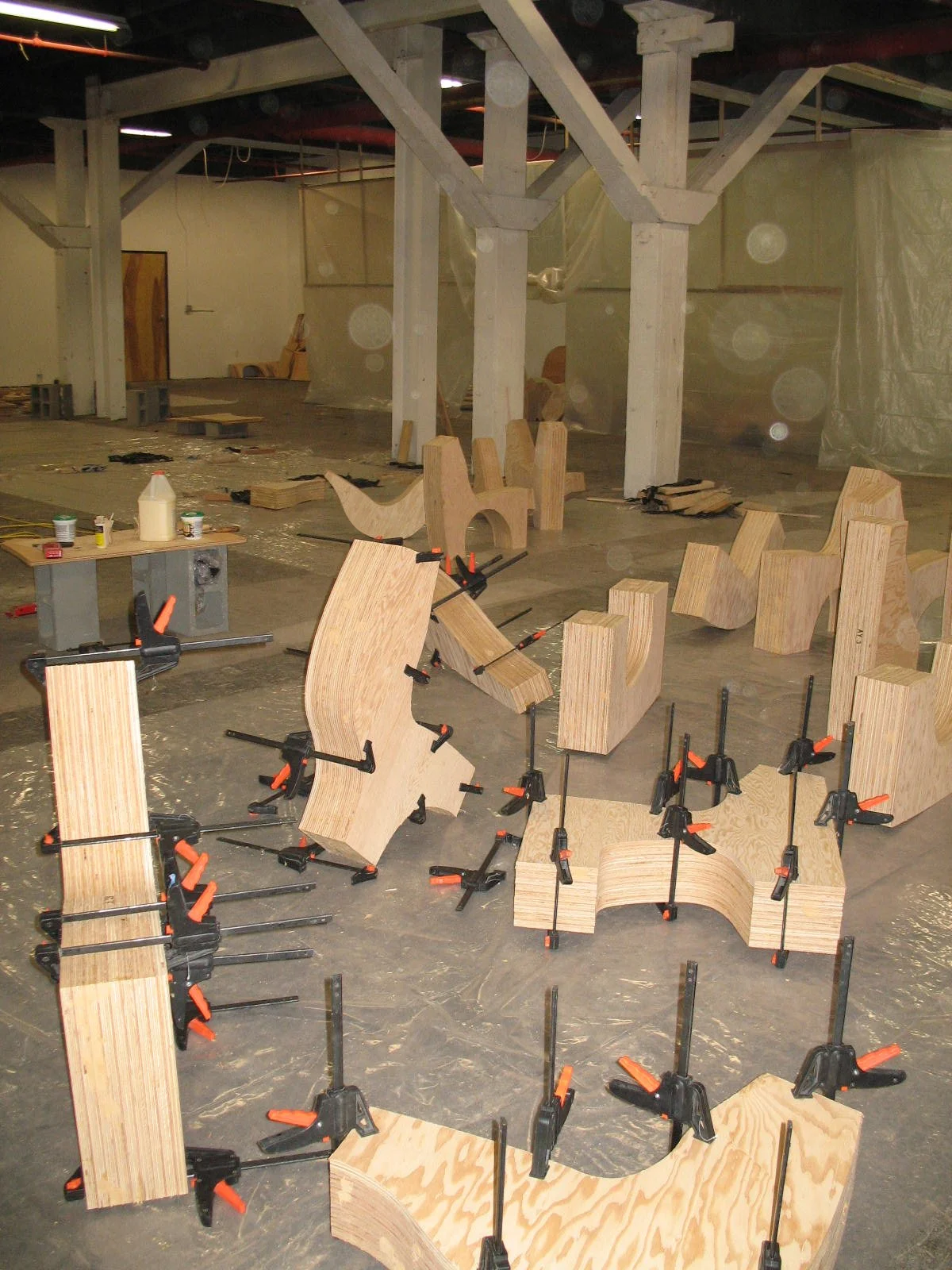
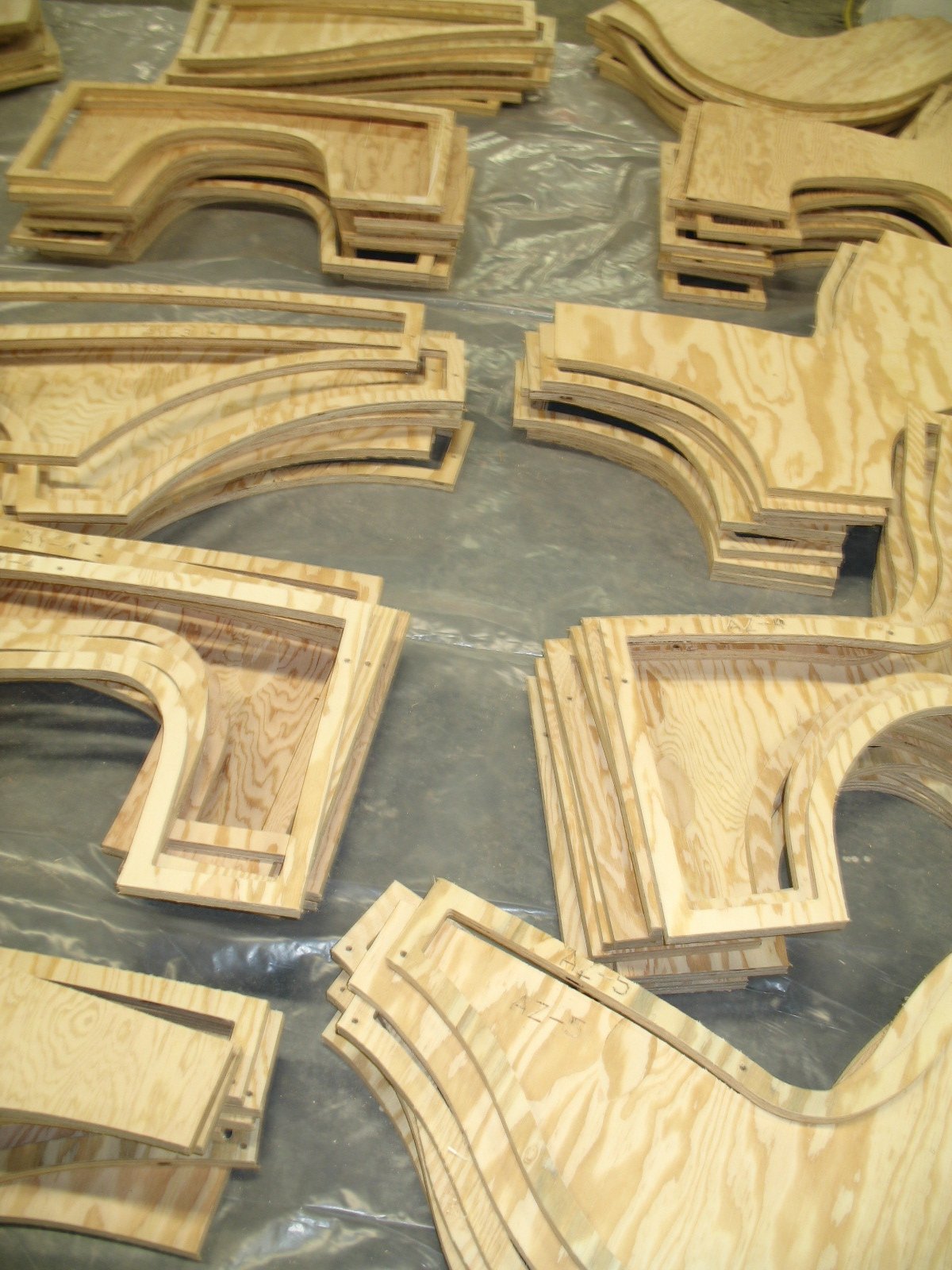
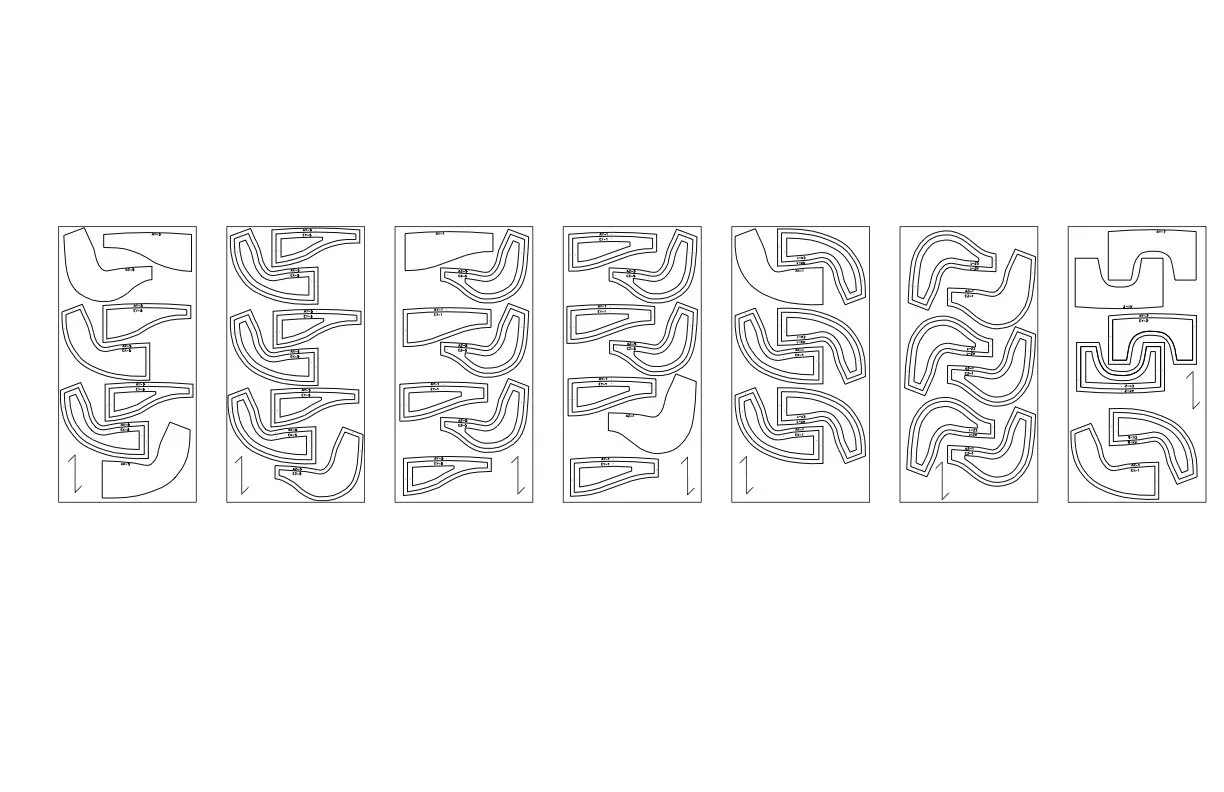
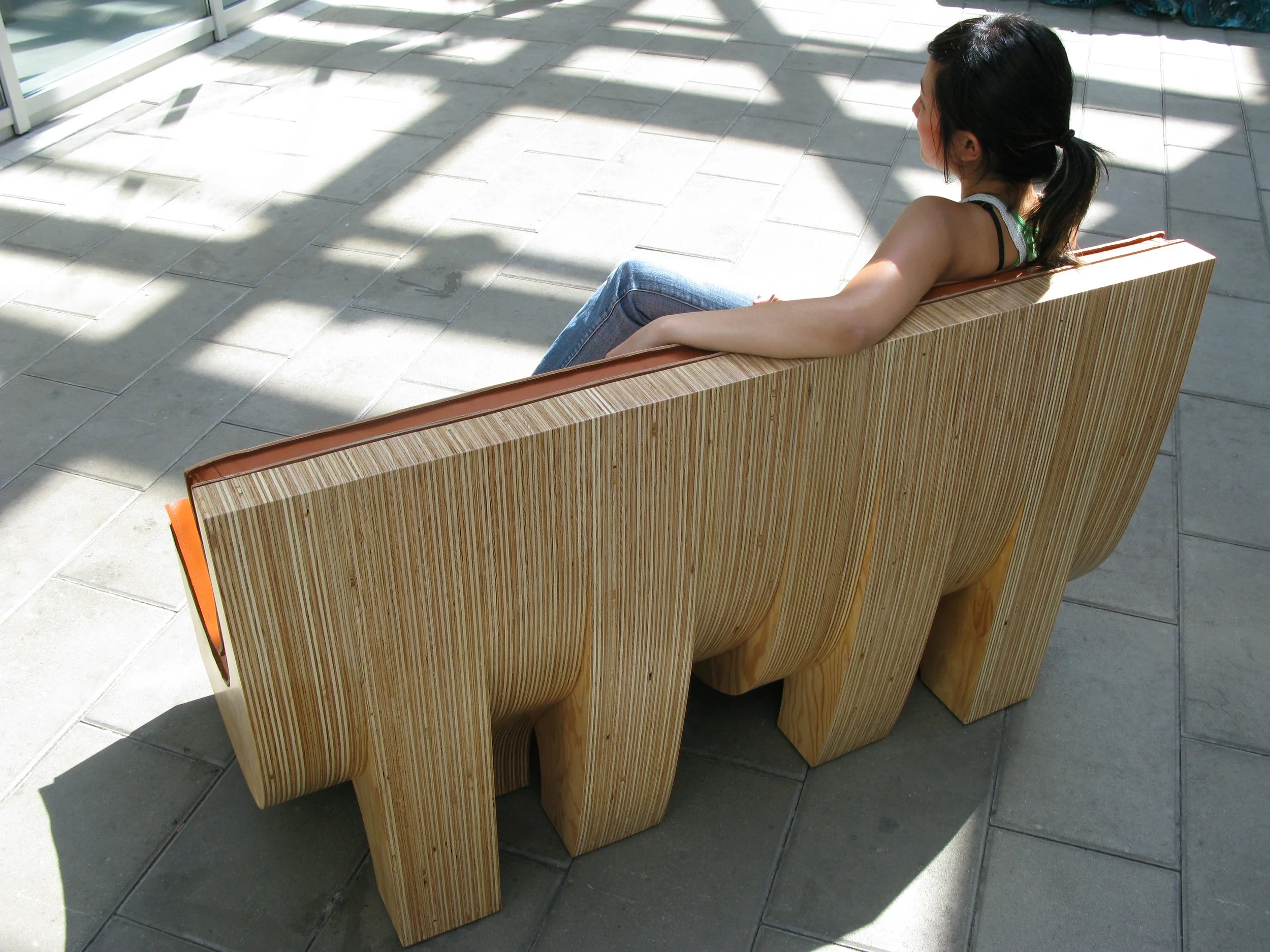
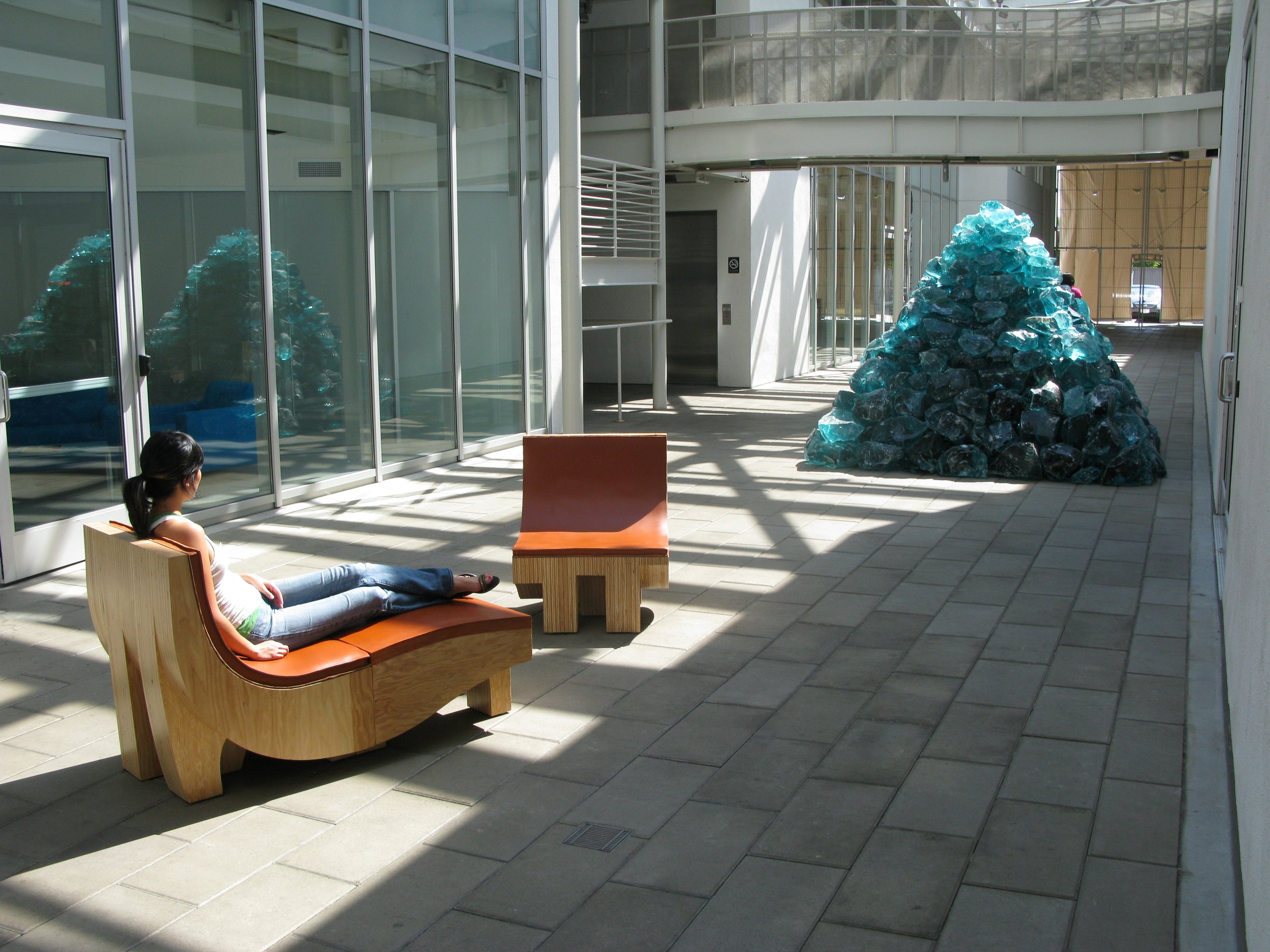
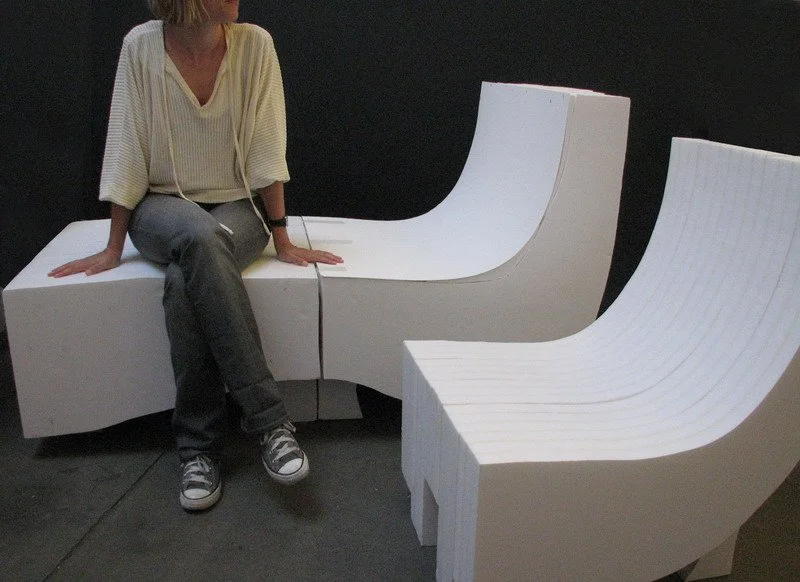
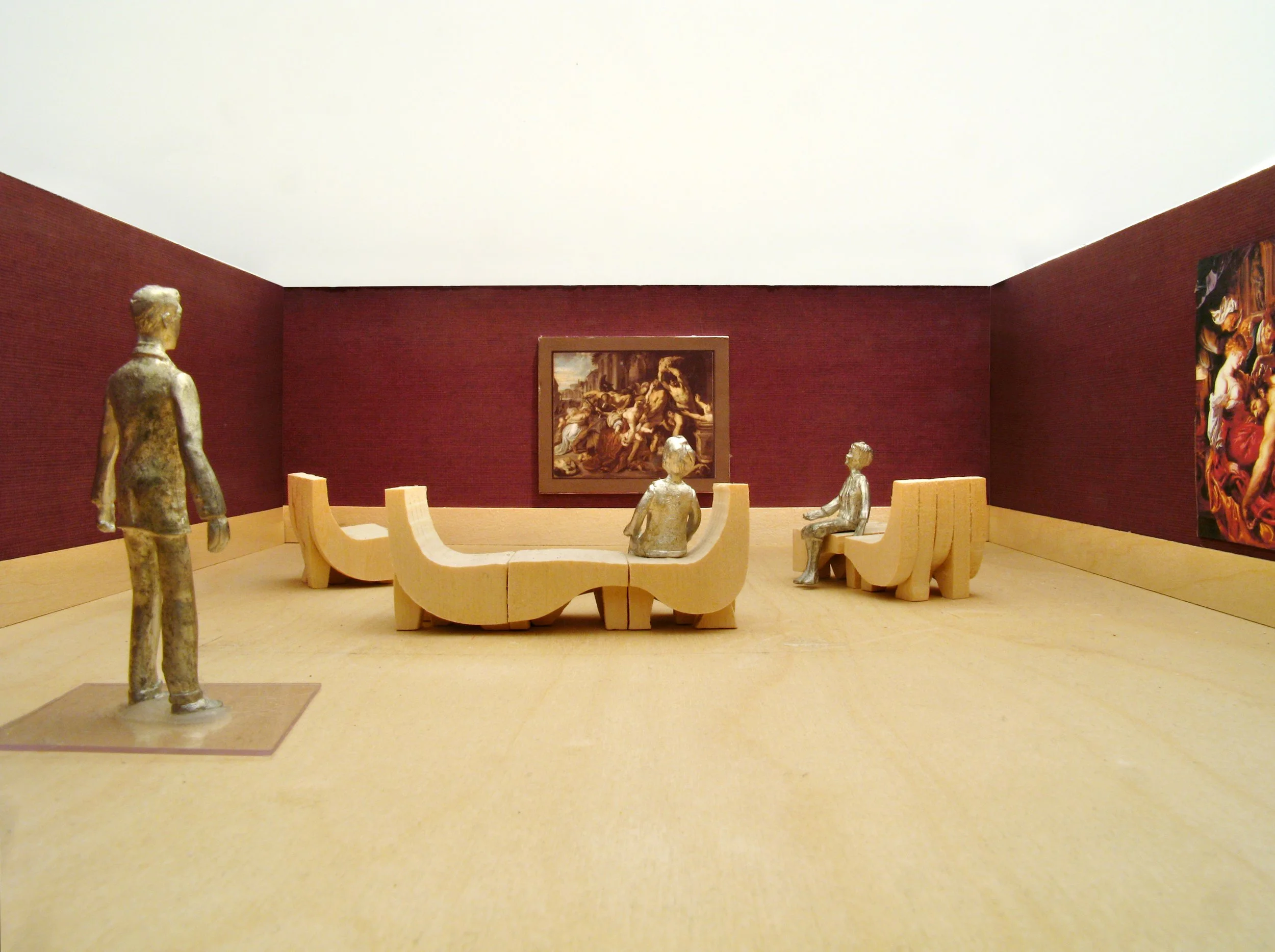
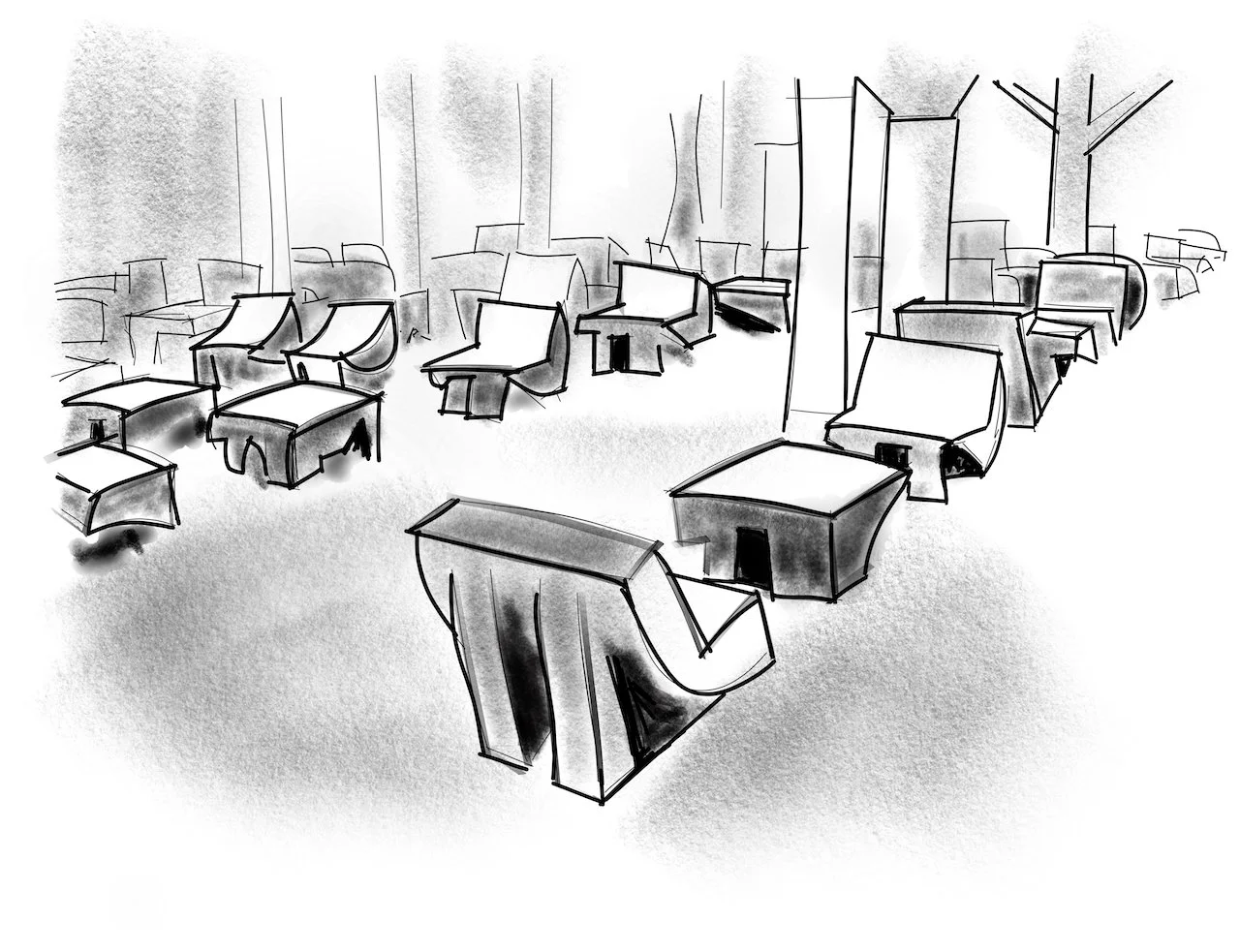
Commissioned for the AGO galleries, the Adam and Eve benches serve as flexible seating in public spaces. Inspired by Biedermeier proportions, they were constructed from layered plywood and belting leather. Cara devised a fabrication strategy that allowed a smaller bench to be nested within the milling paths of the larger bench, maximizing material efficiency. The larger “Adam” bench is built from hollow structural boxes, while the smaller “Eve” bench is formed from Adam’s ribs, referencing both fabrication efficiency and Ken Thomson’s collection of figurines. The design was refined through prototyping and presented to AGO leadership before production.
Grand Avenue Development (The Grand LA)
Location Los Angeles, California
Firm Gehry Partners
Role Job Captain, 2006-2009
Type Mixed-Use Urban Development
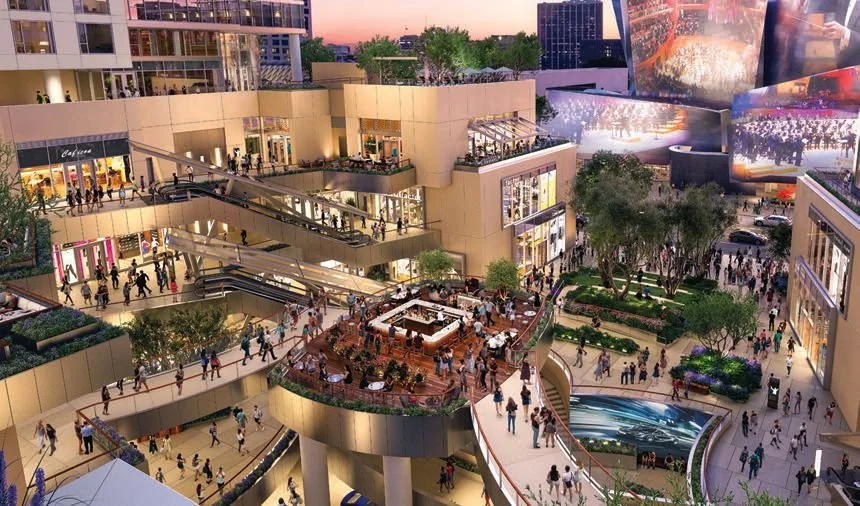
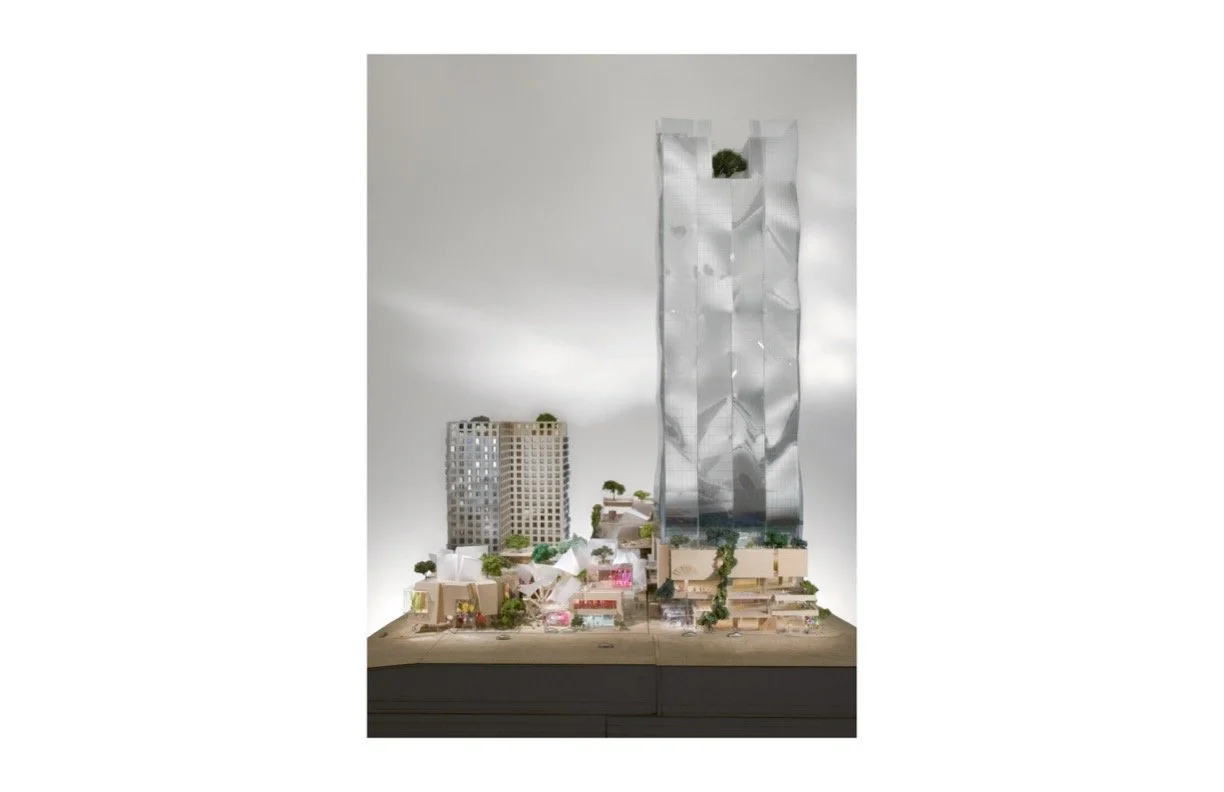
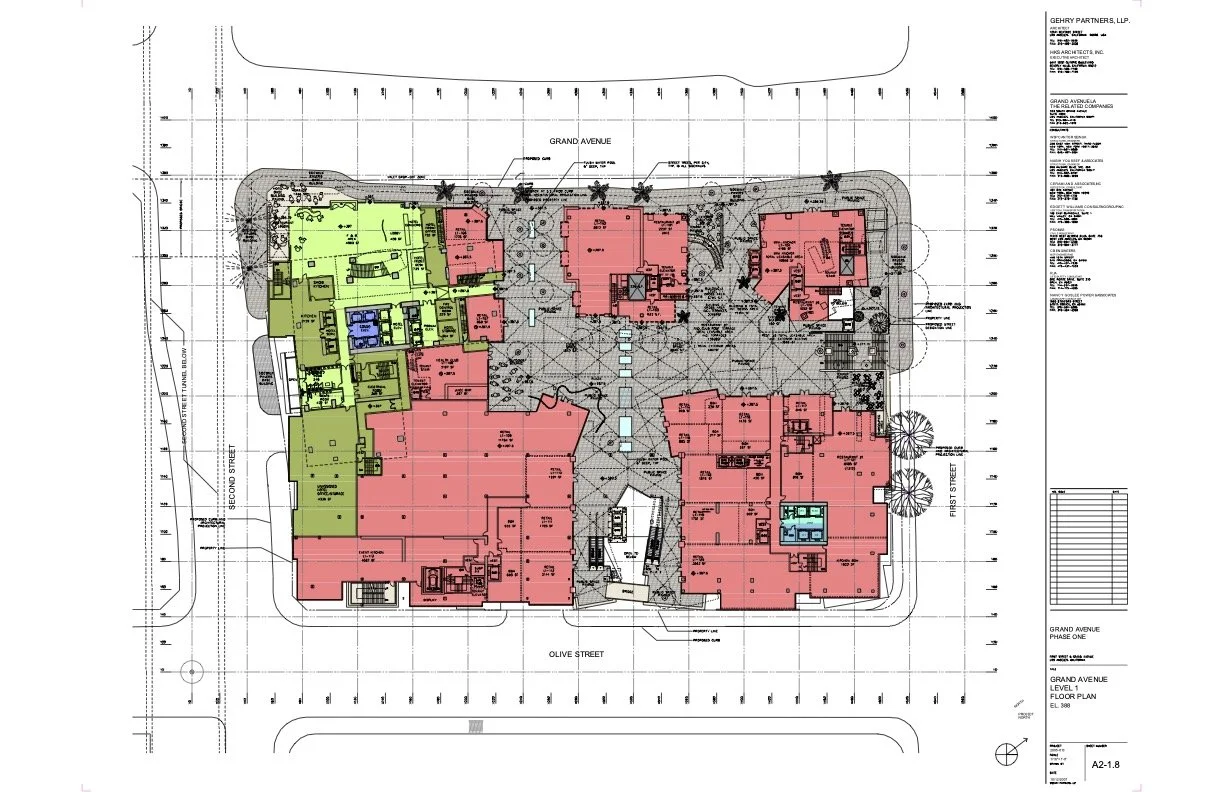
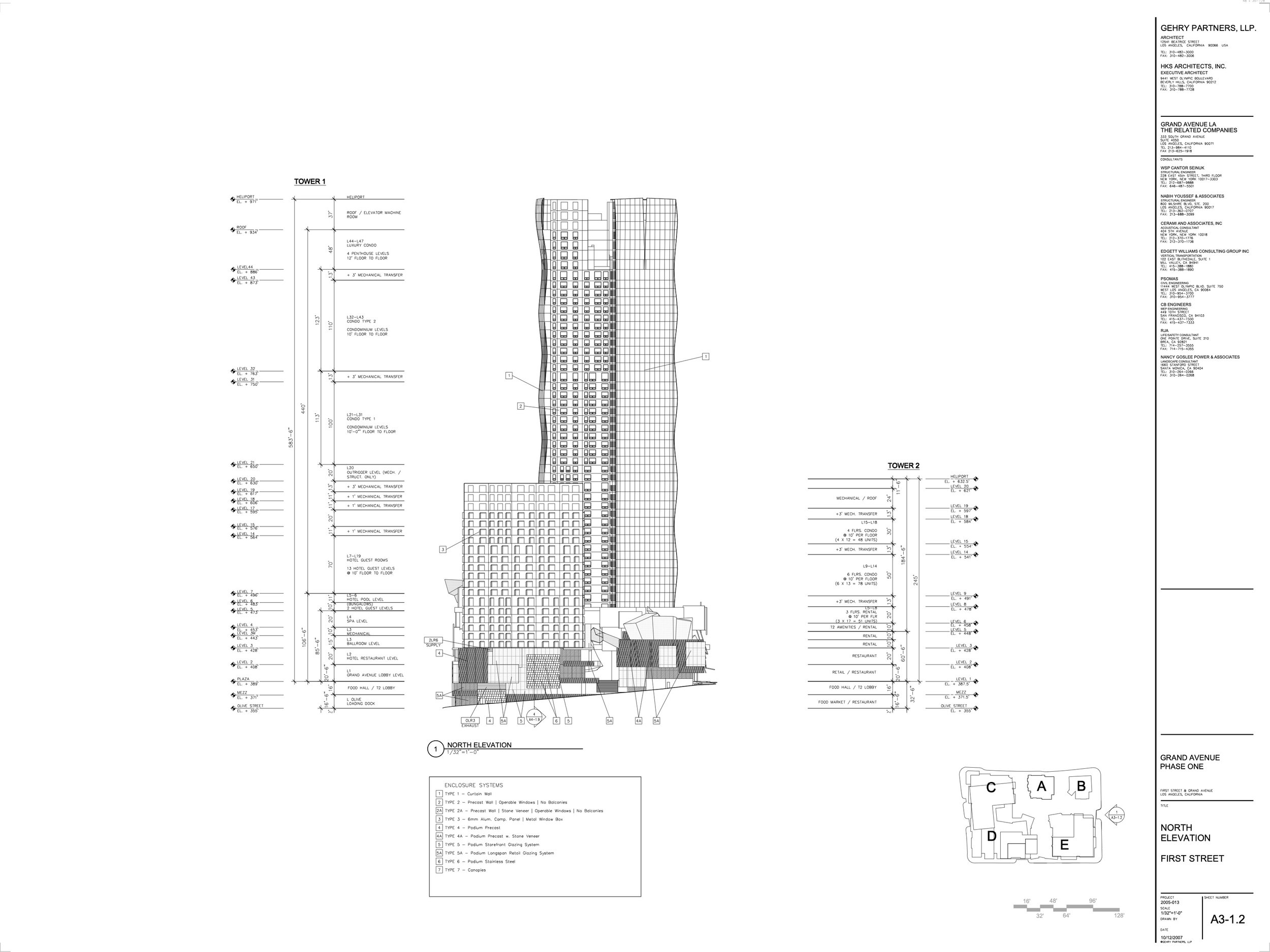
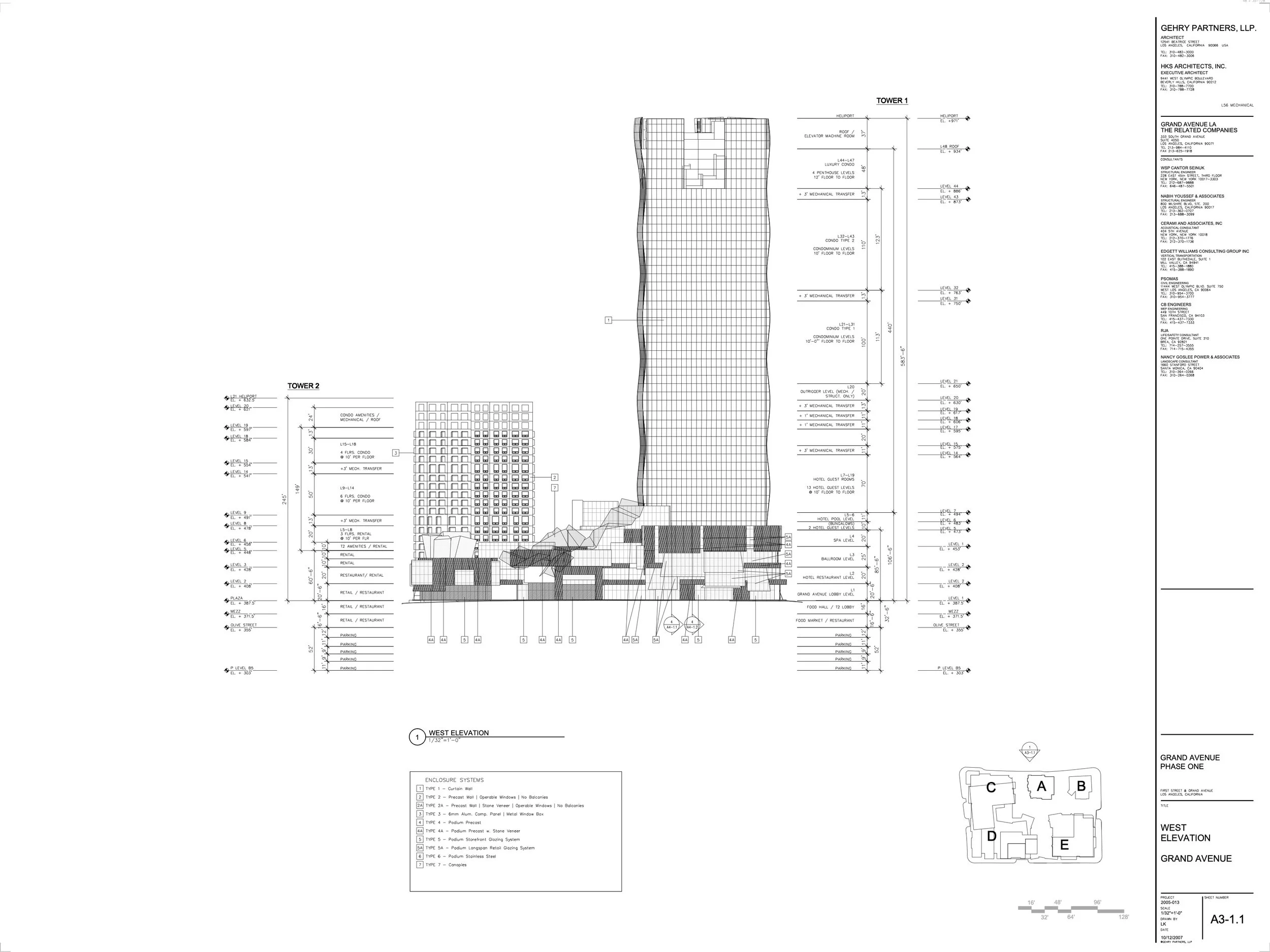
The Grand Avenue development is a major mixed-use project in downtown Los Angeles, opposite Walt Disney Concert Hall. Developed by Related Companies and designed by Gehry Partners, it combines residential towers, a hotel, retail, and public space to activate the area’s cultural corridor.
Cara was part of the core leadership team, conducting design studies on retail configurations, site planning, and program distribution. She coordinated closely with Related’s development and retail teams, leading her team through extensive iterations to balance architectural design, retail strategy, and development constraints. The project was placed on hold after the 2008 financial crisis and later resumed, opening as The Grand LA in 2022.
Mandarin Hotel at Grand Avenue (Conrad Los Angeles)
Role Job Captain, 2007-2009
Type Hospitality / Mixed-Use Tower
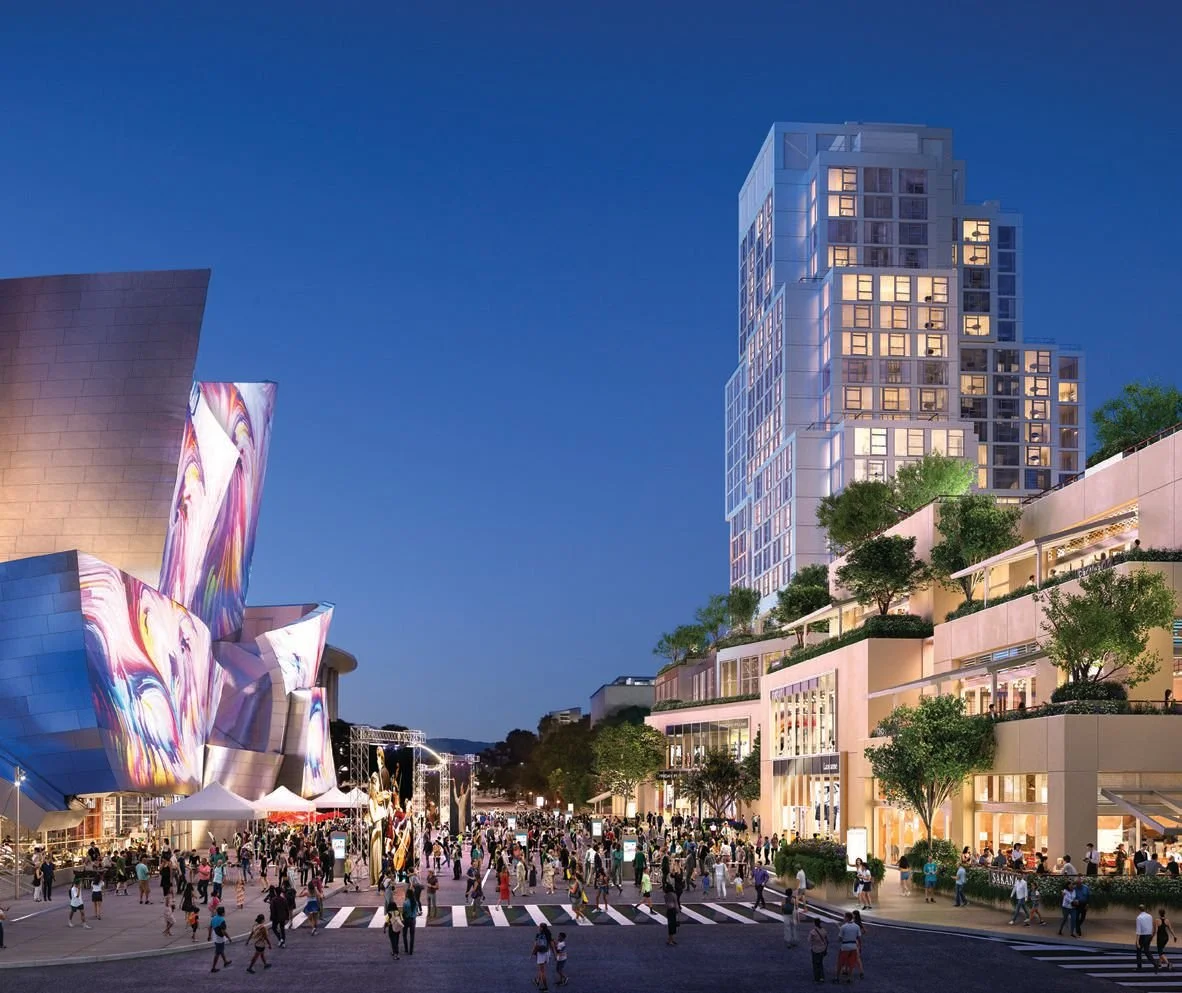
Image courtesy of Gehry Partners
Within the Grand Avenue development, Cara was the design lead for the hotel tower. She directed the architectural development from concept to design development, coordinating the Gehry Partners team, Related Companies, the hotel operator, and hospitality consultants. The tower combined hotel spaces and residential condominiums above a shared podium and parking structure, requiring complex coordination between hospitality operations and mixed-use frameworks.
Gehry Partners Offices (Beatrice Street)
Location Marina del Rey, California
Firm Gehry Partners
Role Design Team, 2006-2007
Type Workplace
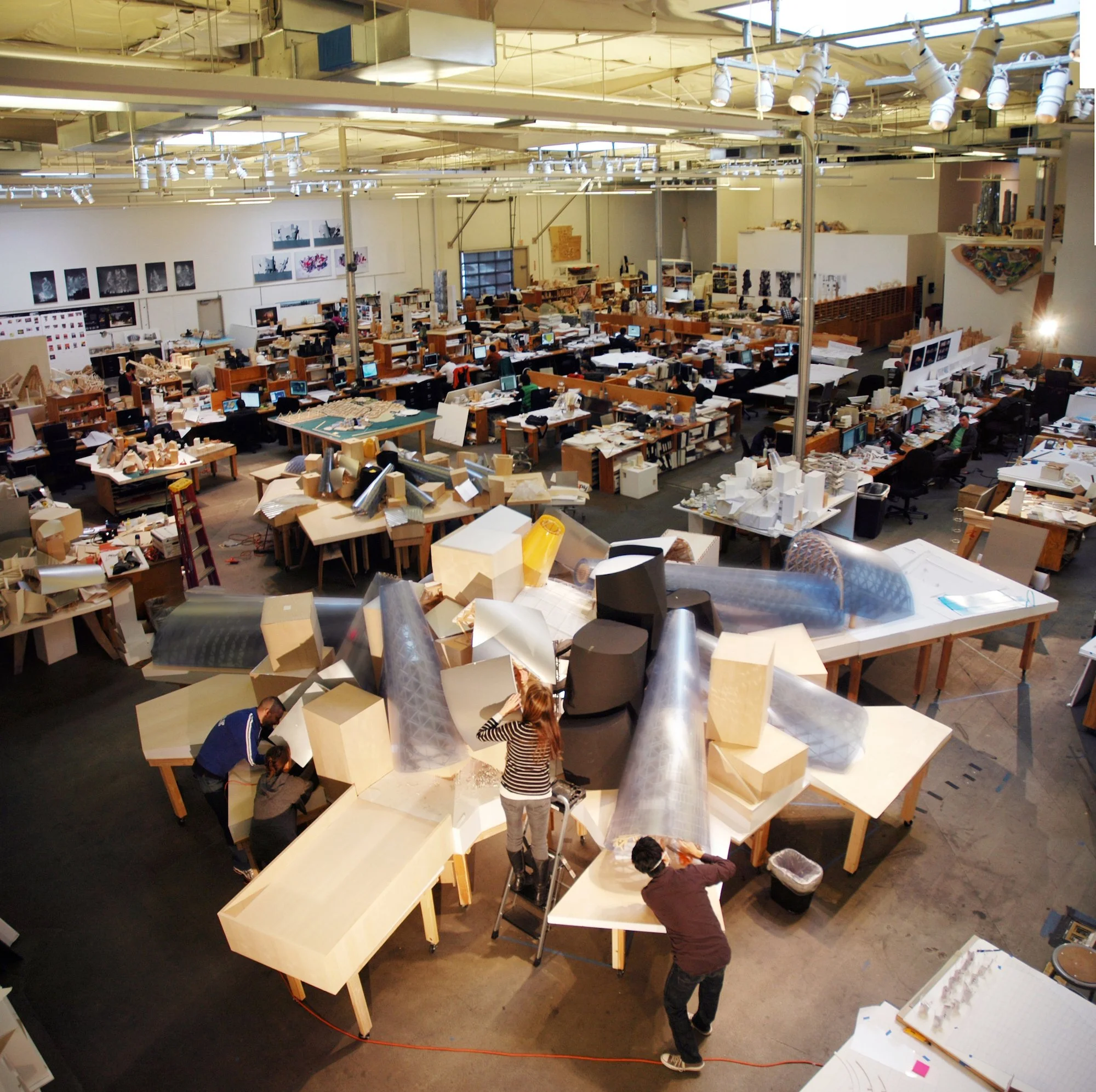
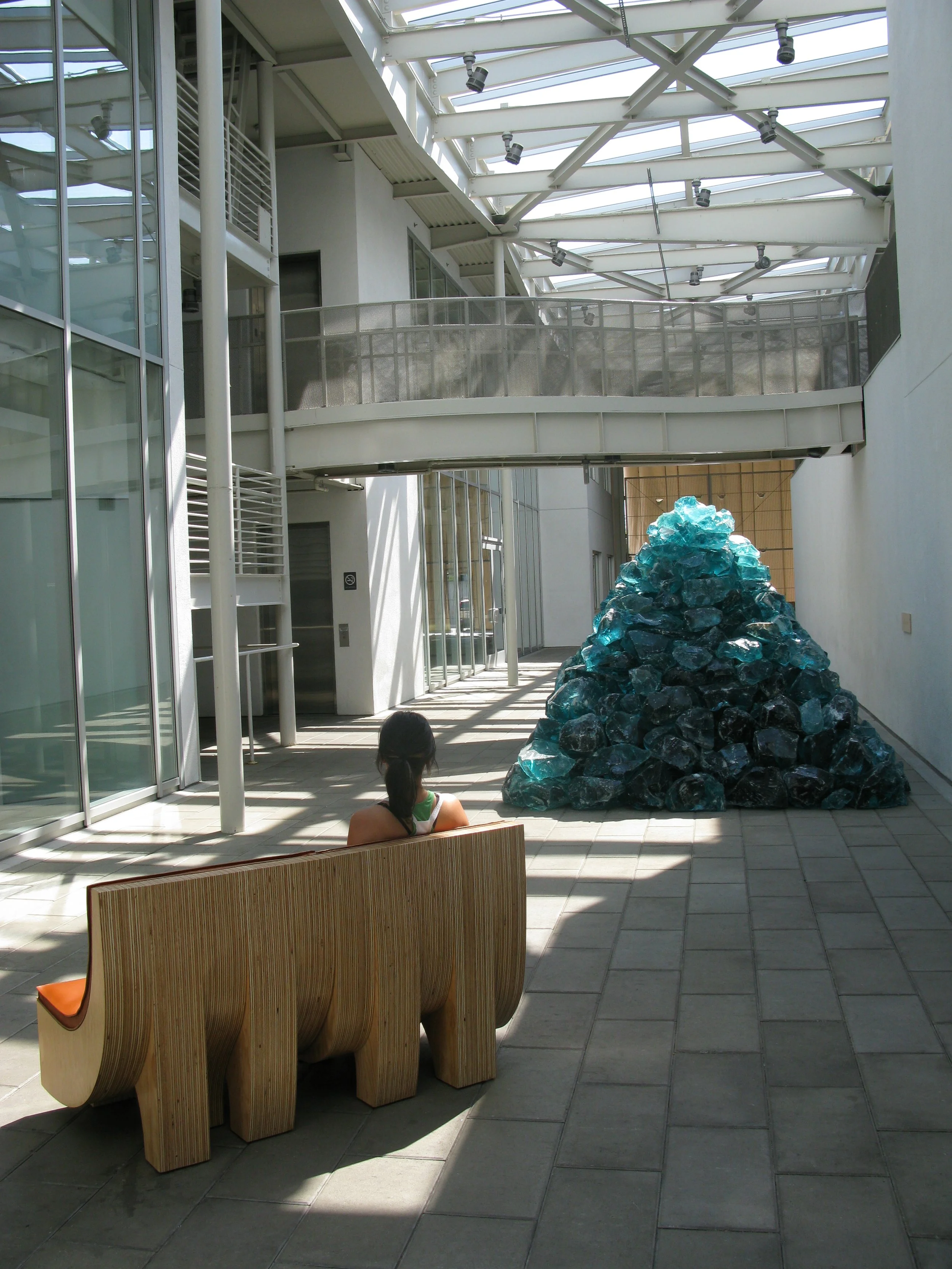
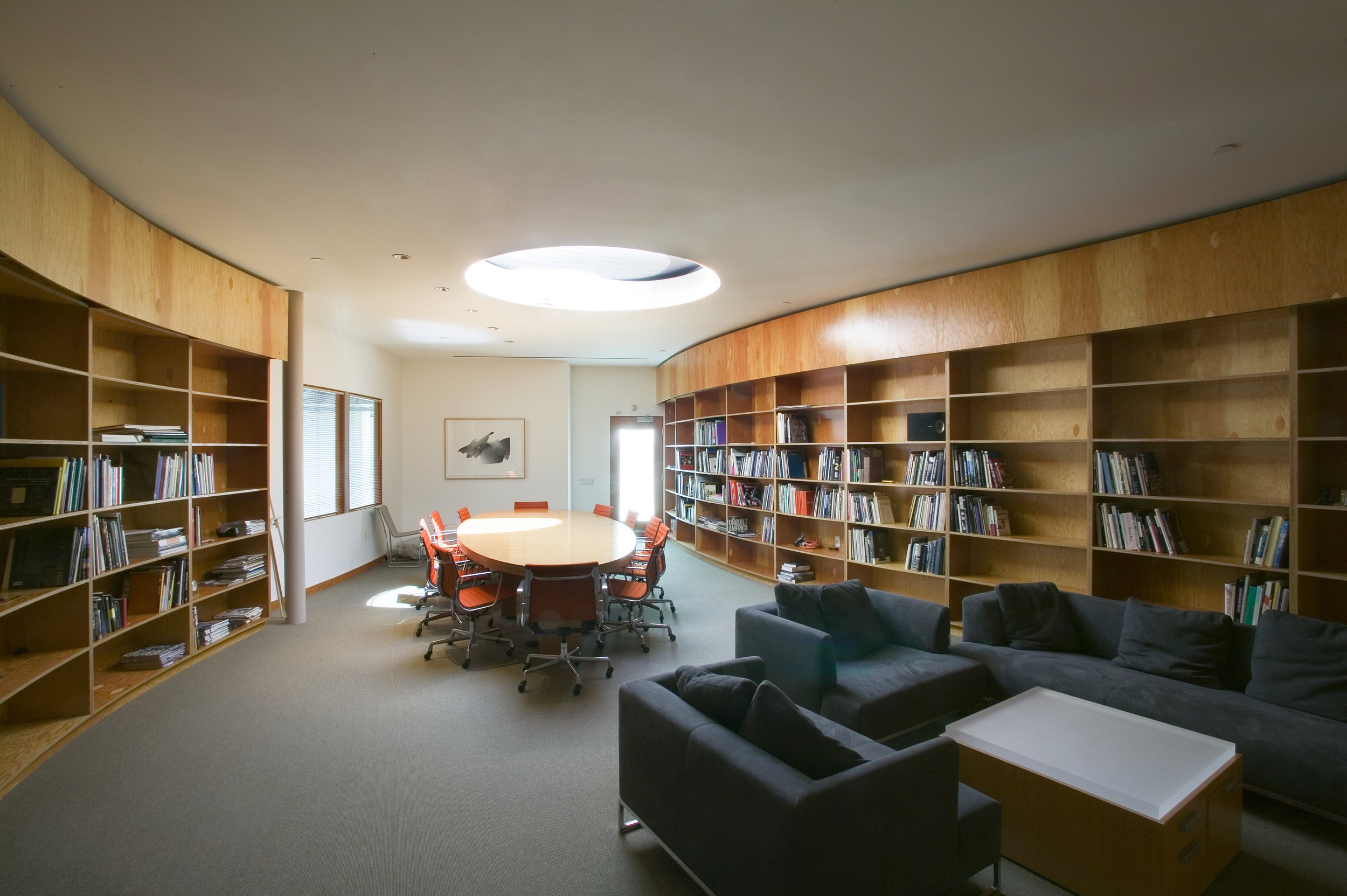
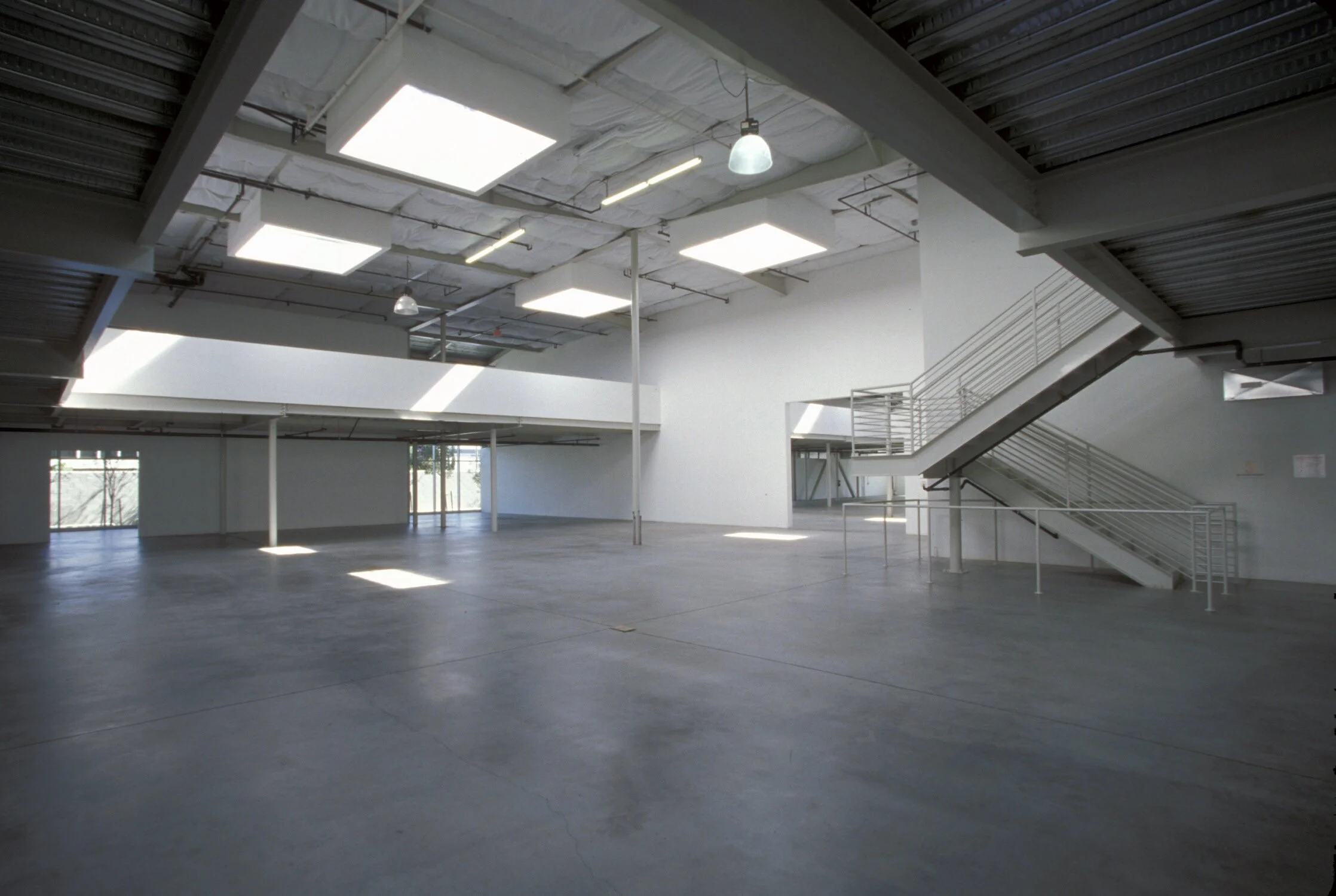
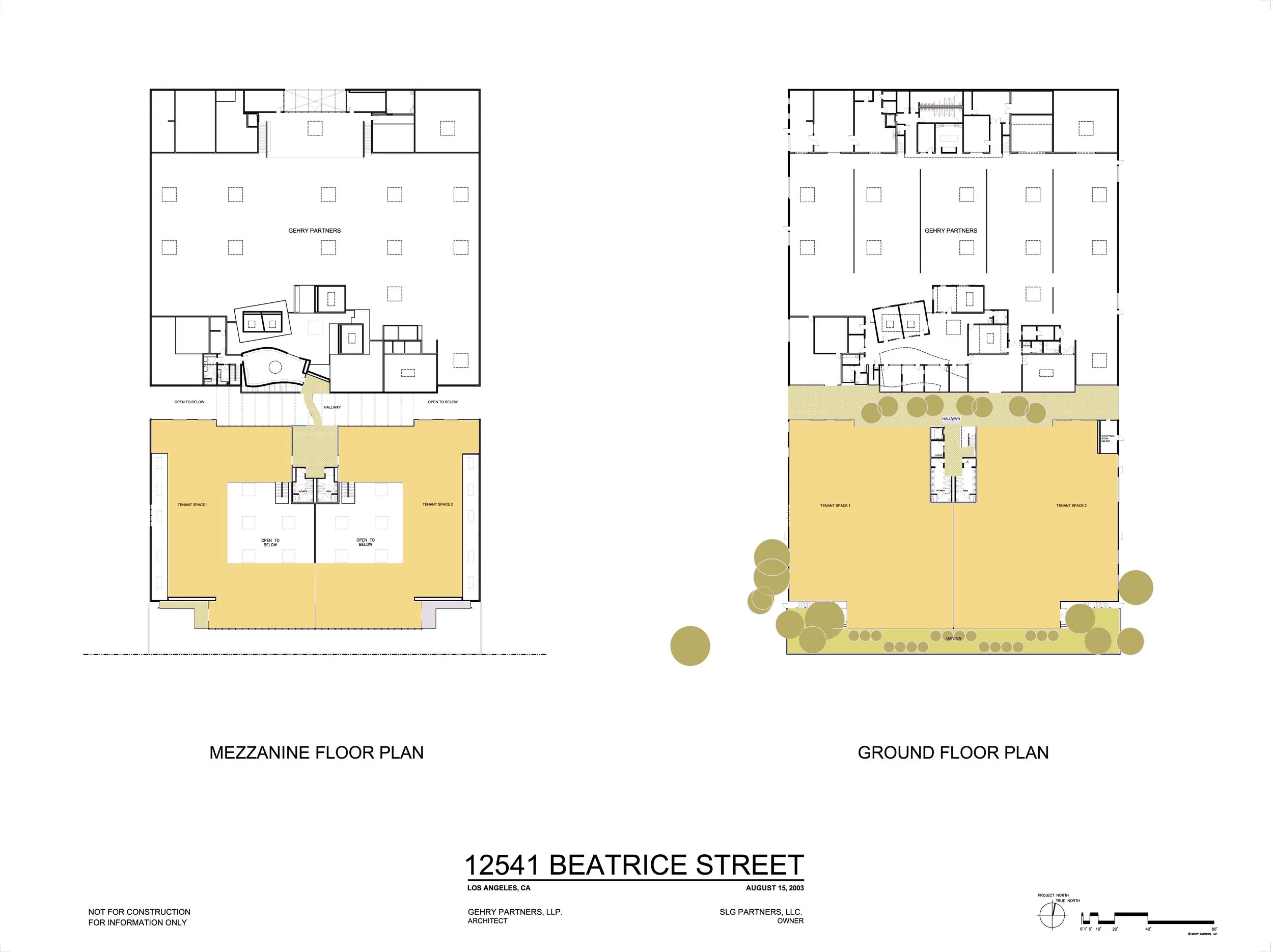
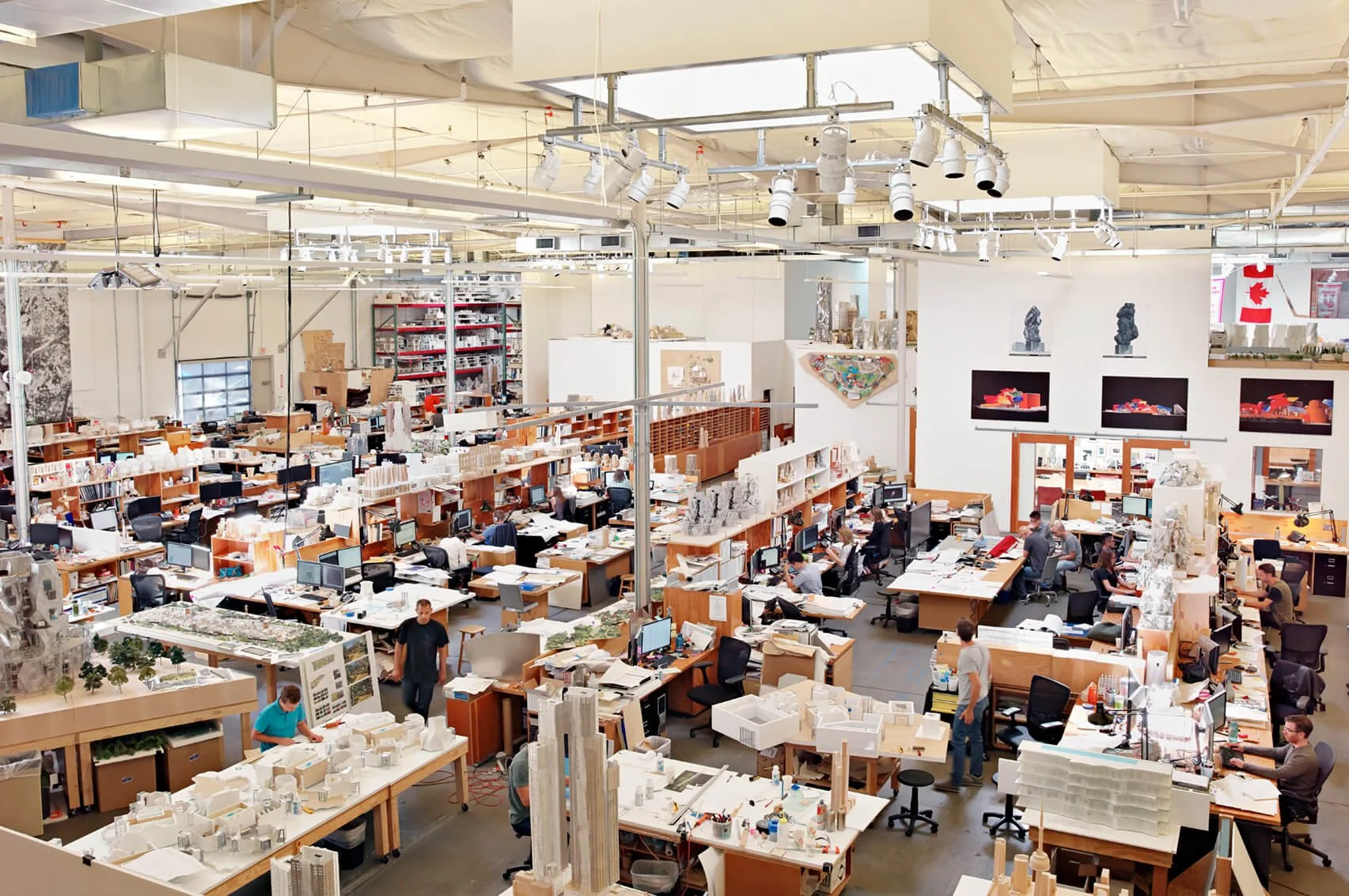
Gehry Partners repurposed a former BMW facility to create a new headquarters and leasable office space. The building was transformed by cutting a central spine that became an open-air entrance passage, illuminated by skylights. A bridge connects the two sides, and retractable sails modulate light and airflow.
Cara was part of the design team, helping develop the flexible plywood desk system used throughout the studio. The L-shaped workstations accommodated shifting team sizes and became a signature feature. She oversaw furniture selection and managed a $850,000 budget, coordinating workstation placement. A mezzanine balcony offers a panoramic view of the workspace, revealing the collaborative and iterative nature of the studio.
This project allowed Cara to explore how workplace environments influence creative collaboration and operational flow, informing her later work on contemporary workplaces.
MetLife Headquarters
Location New York, New York
Firm Rockwell Group
Role Studio Leader, 2014-1016
Type Workplace/Hospitality
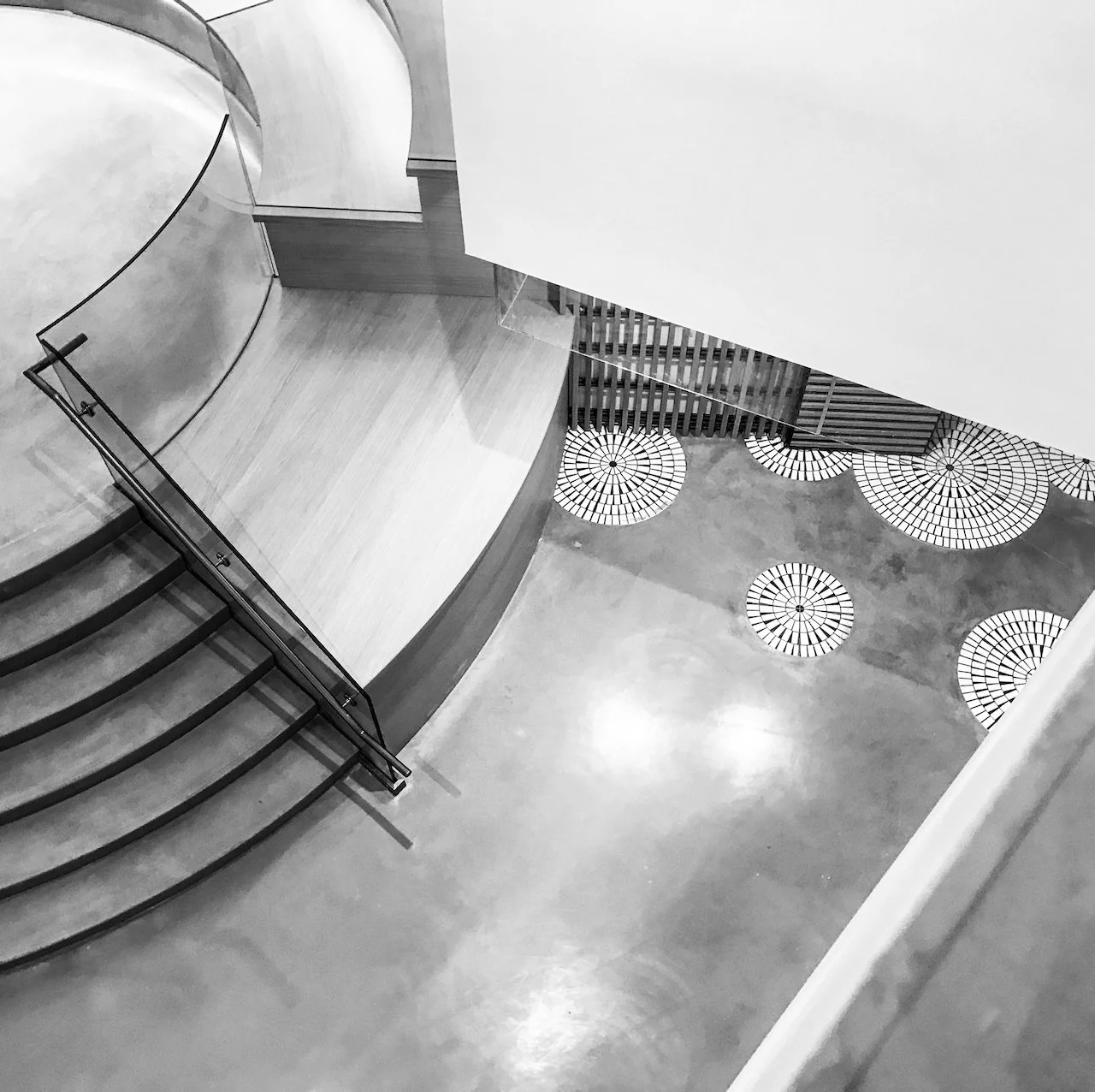
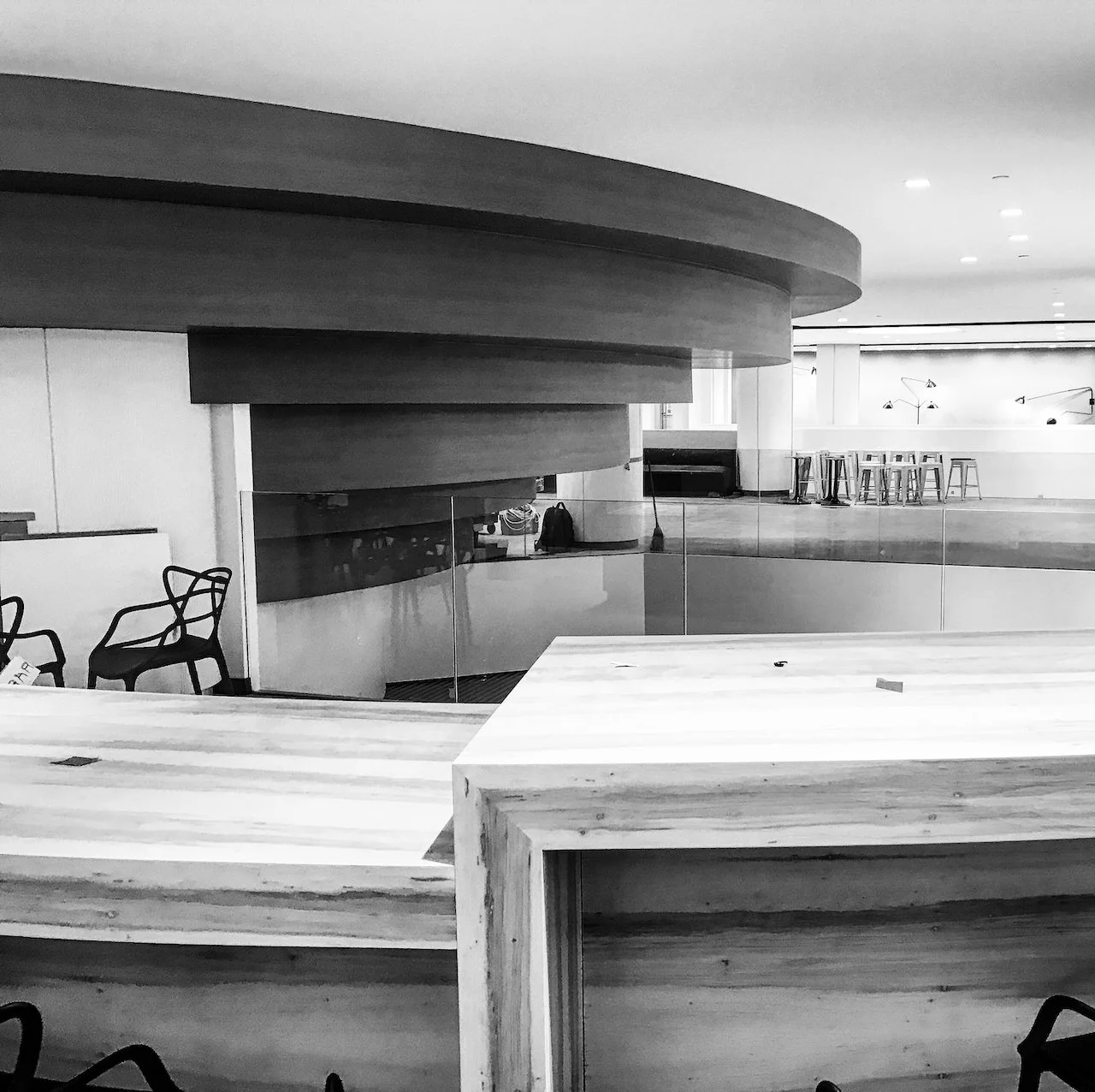
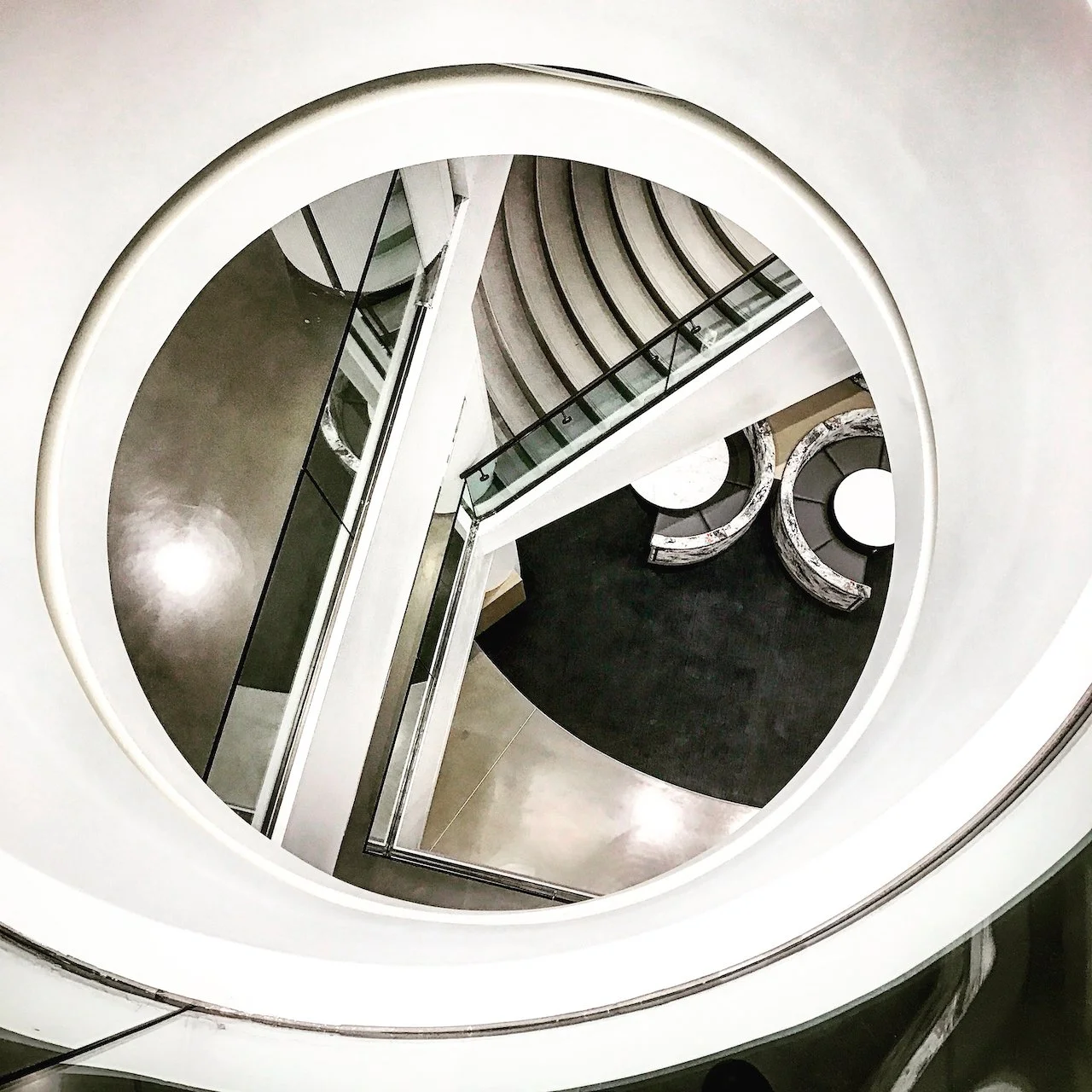
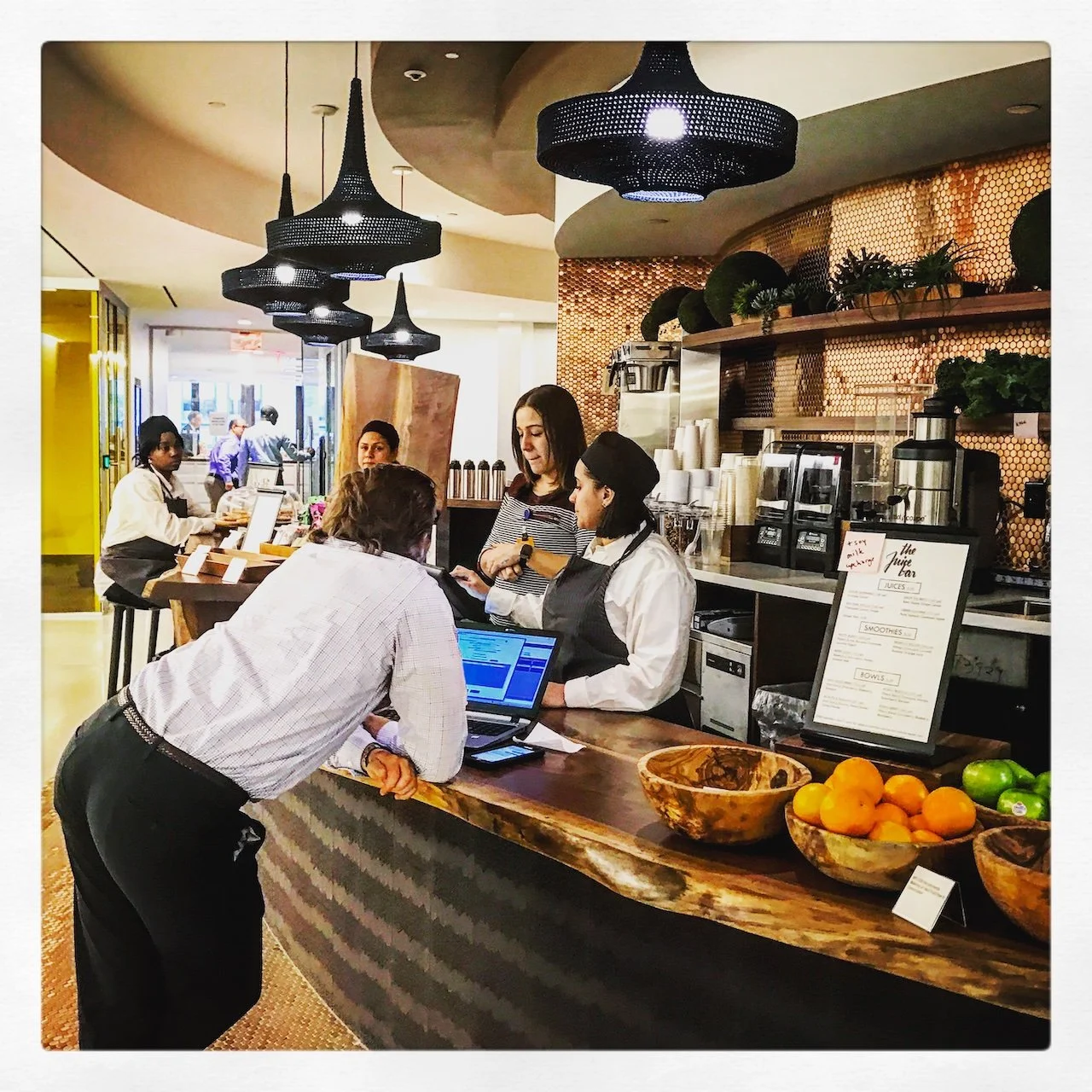
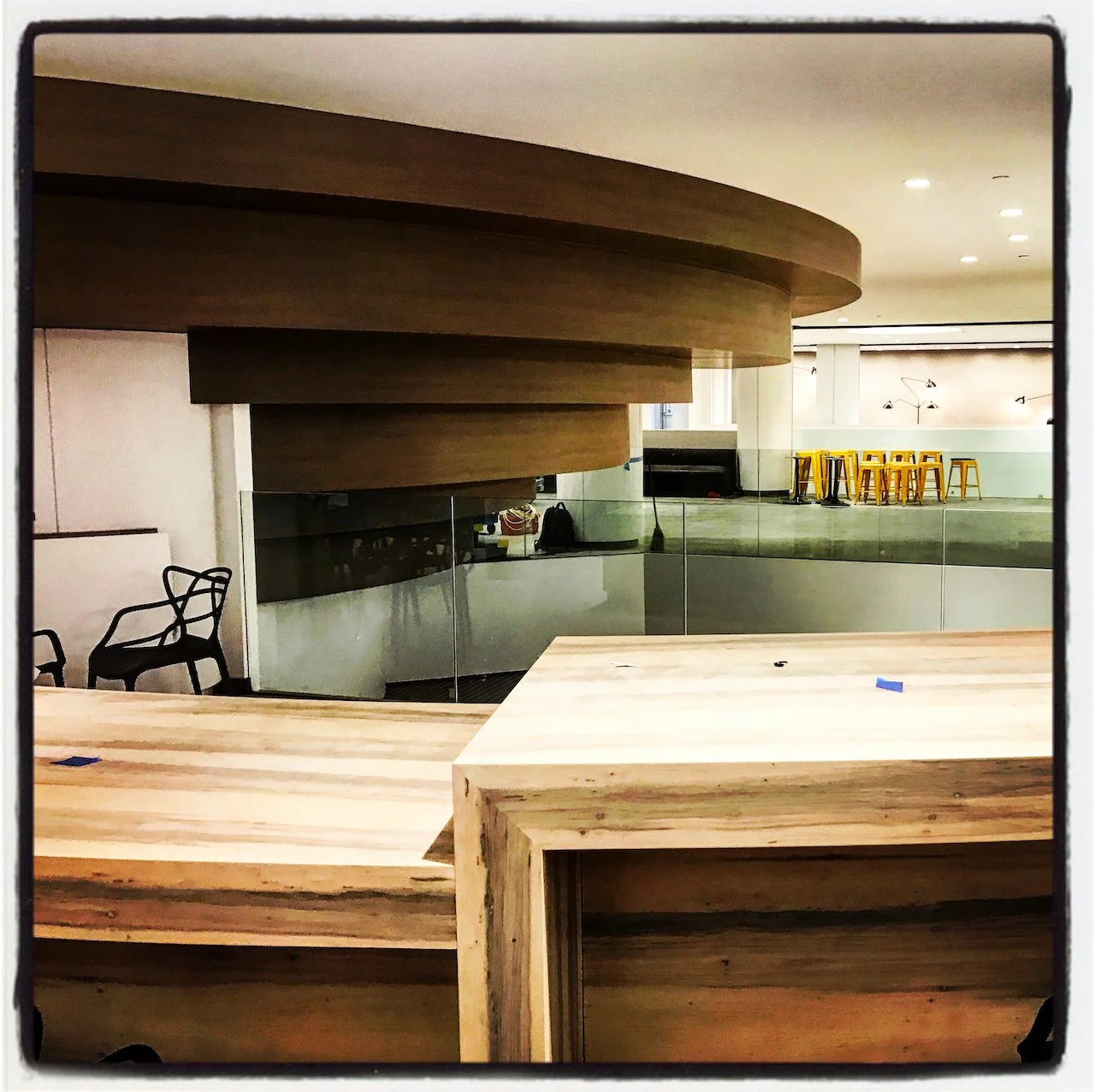

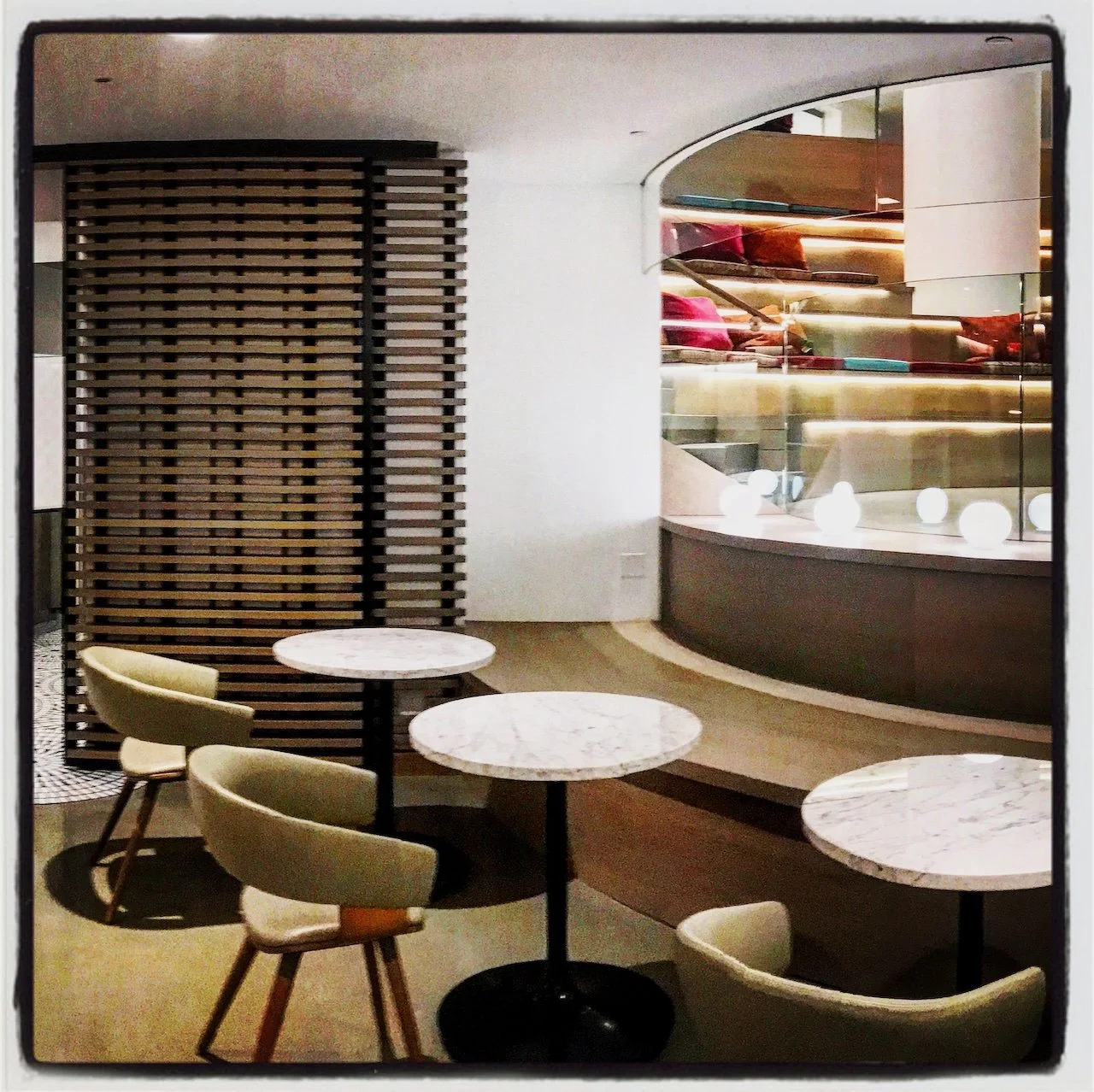
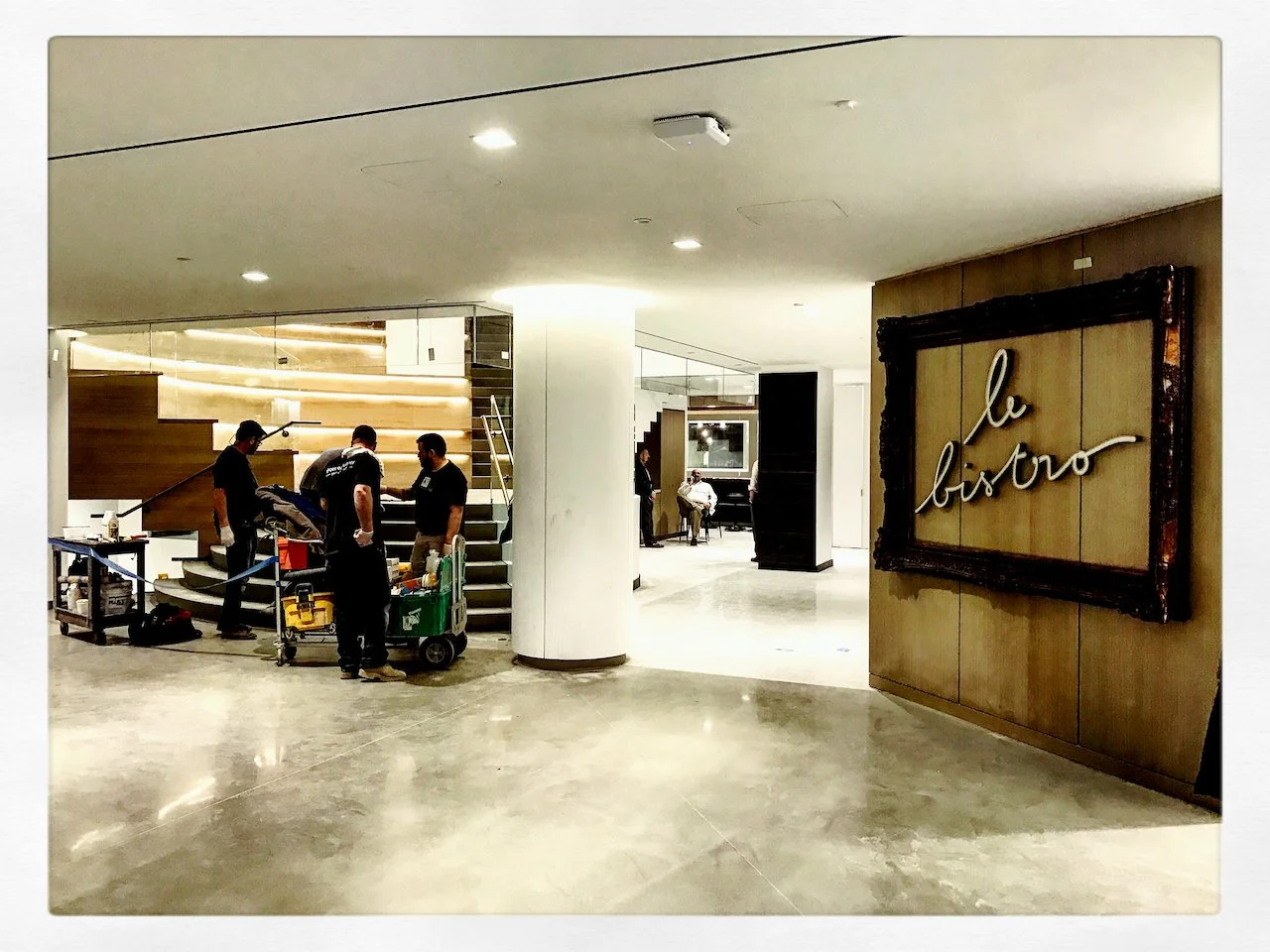
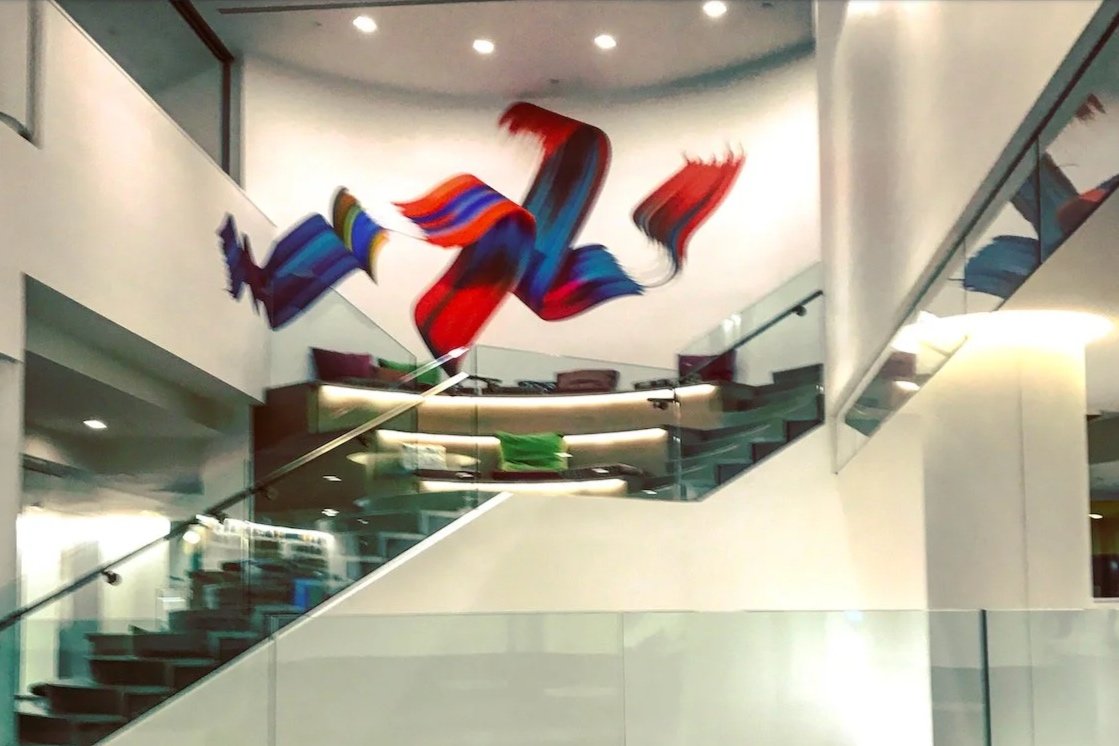
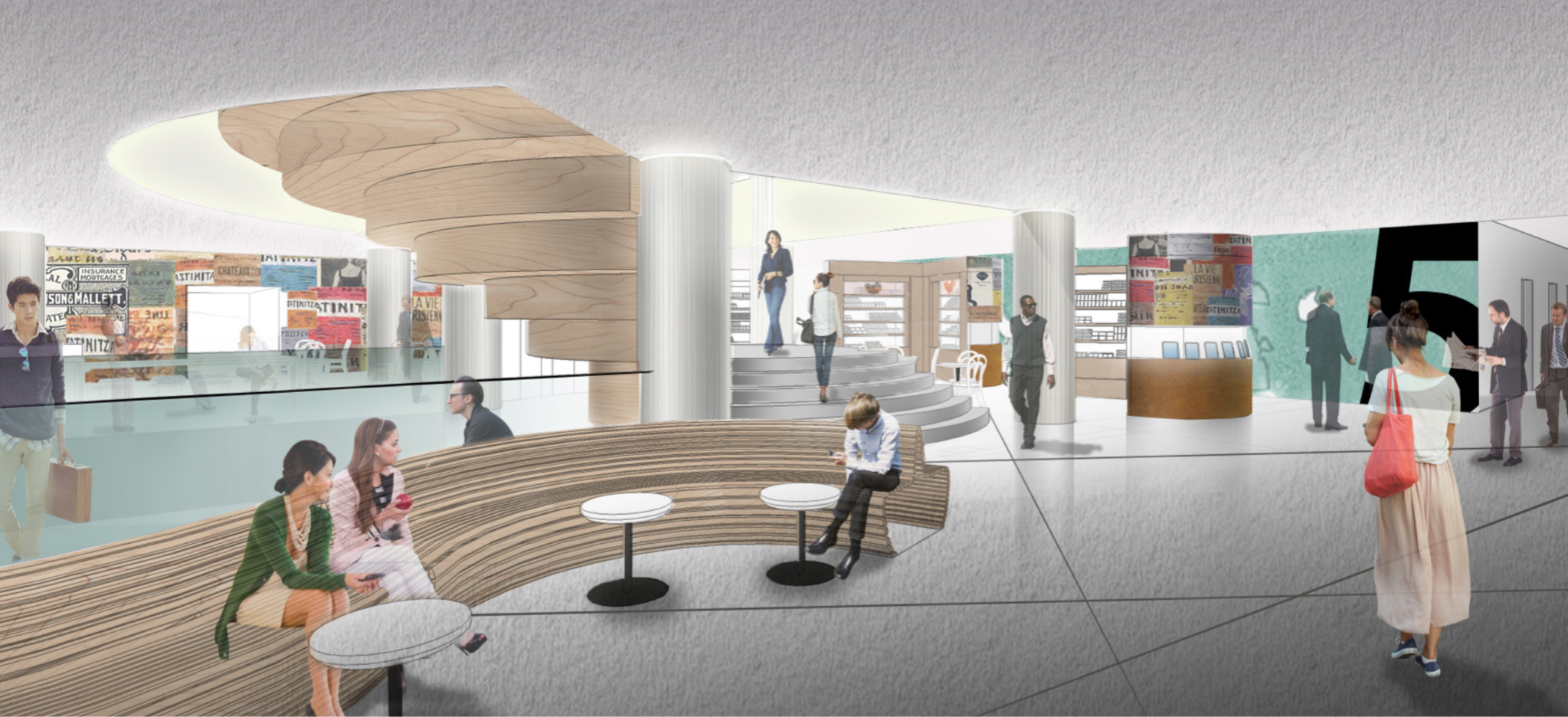

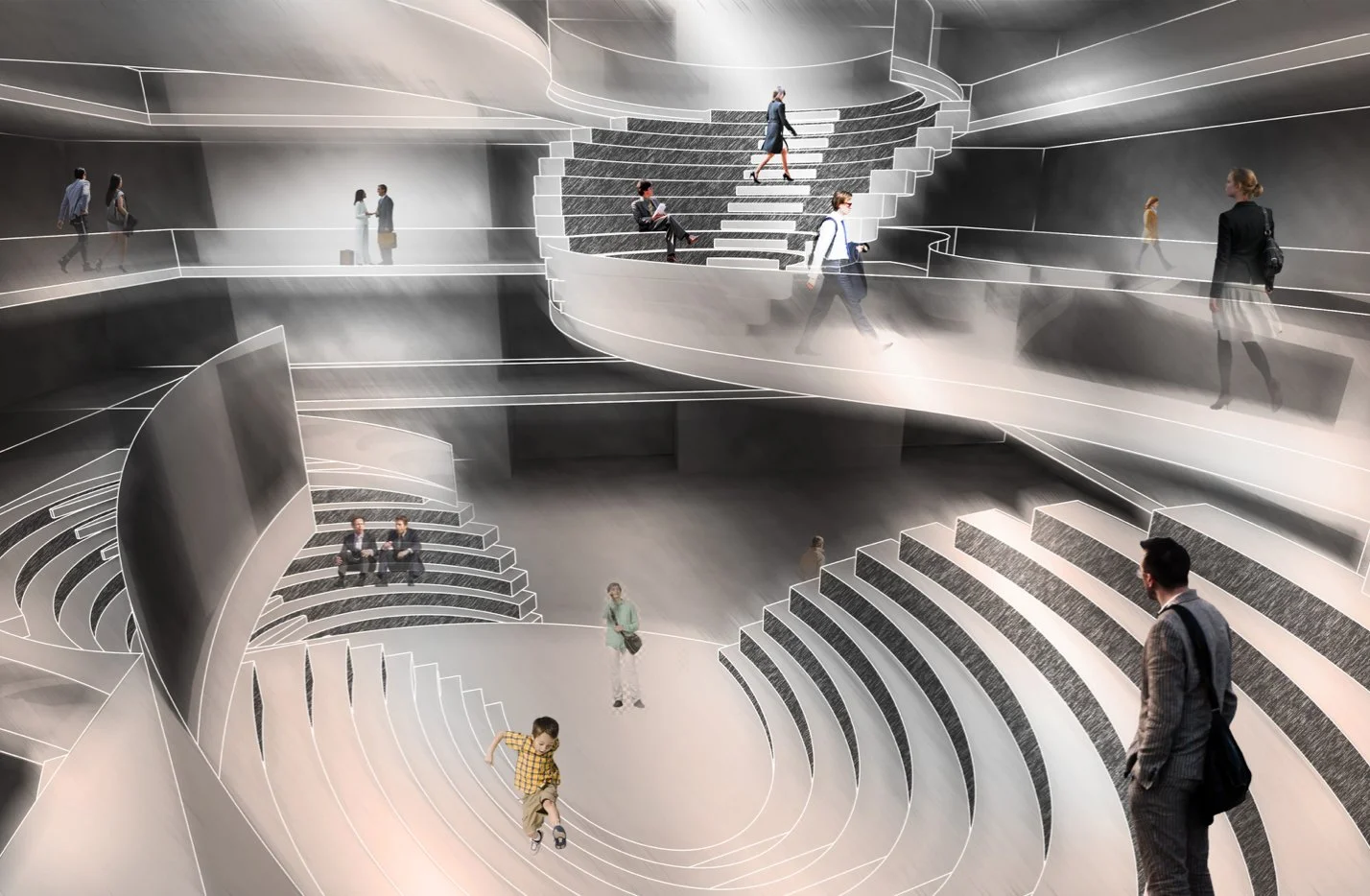
As Studio Leader at Rockwell Group, Cara led the design for the renovation of MetLife’s headquarters within the iconic MetLife Building above Grand Central Terminal. The project reinterpreted workplace environments within a historic corporate structure, aiming to reflect MetLife’s global reach, culture, and history.
Cara and her team studied MetLife’s history and values, developing three strategic design approaches. The chosen concept organized the workplace as interconnected environments reflecting MetLife’s major global regions, each with distinctive gathering spaces and hospitality features. A central stadium stair connected the levels, encouraging interaction and movement. The design established a hospitality-forward approach to corporate workplace design, combining functionality with narrative and spatial experience.
The project furthered Cara’s interest in how architecture communicates organizational identity and culture, translating narratives and structures into spatial experience.
Waterline Club
Location New York, New York
Firm Rockwell Group
Role Studio Leader, 2014-2016
Type Hospitality/Residential Amenities
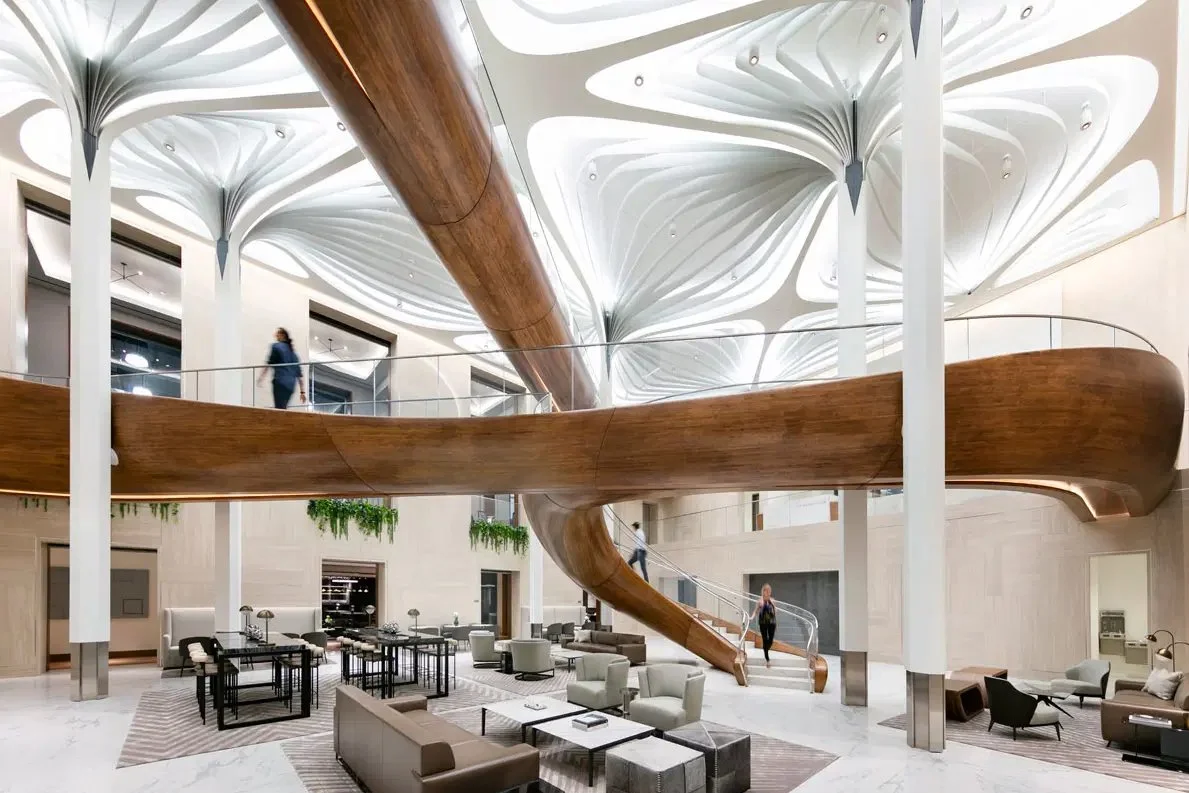
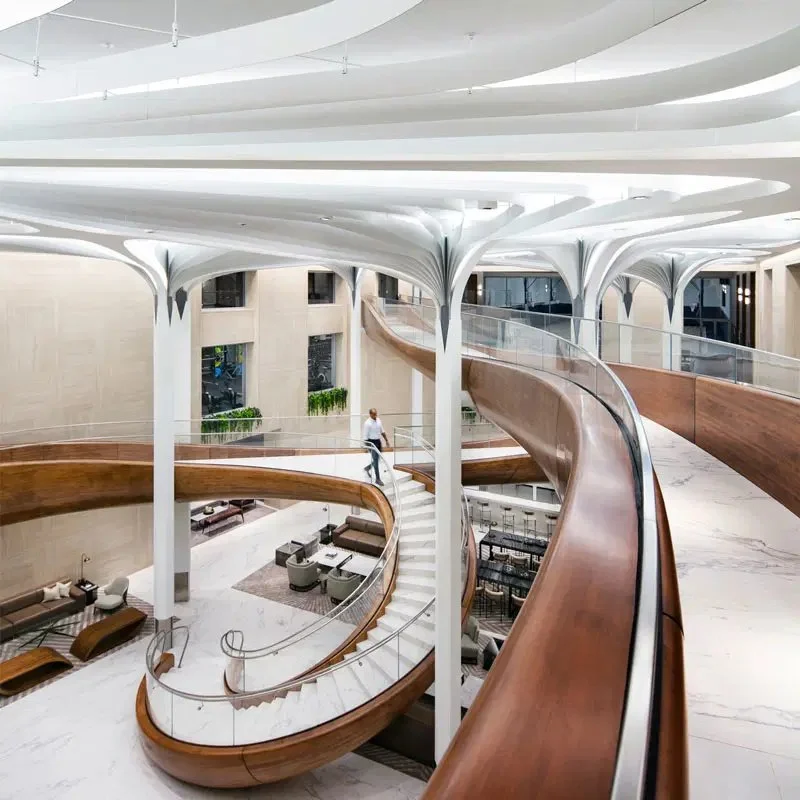
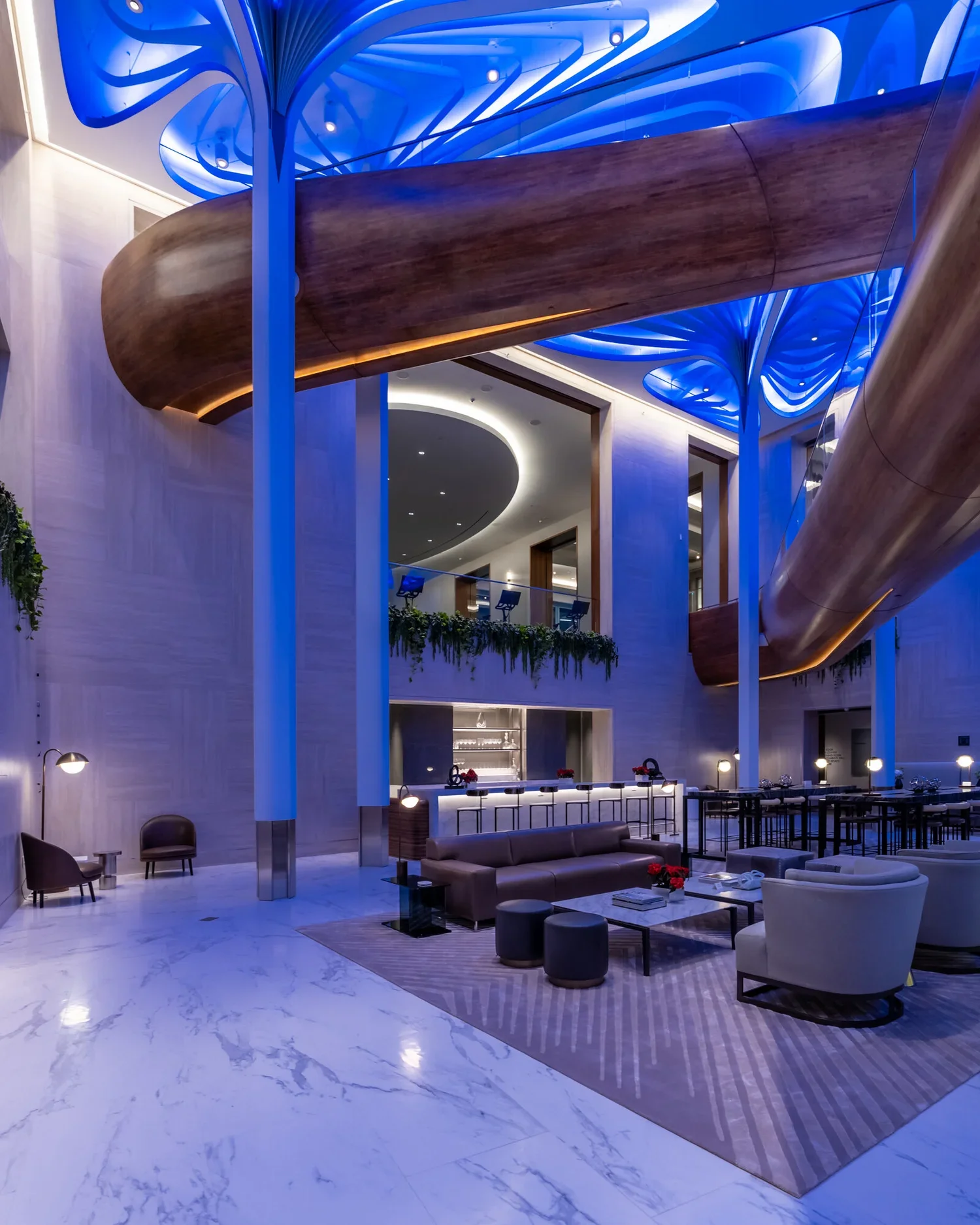
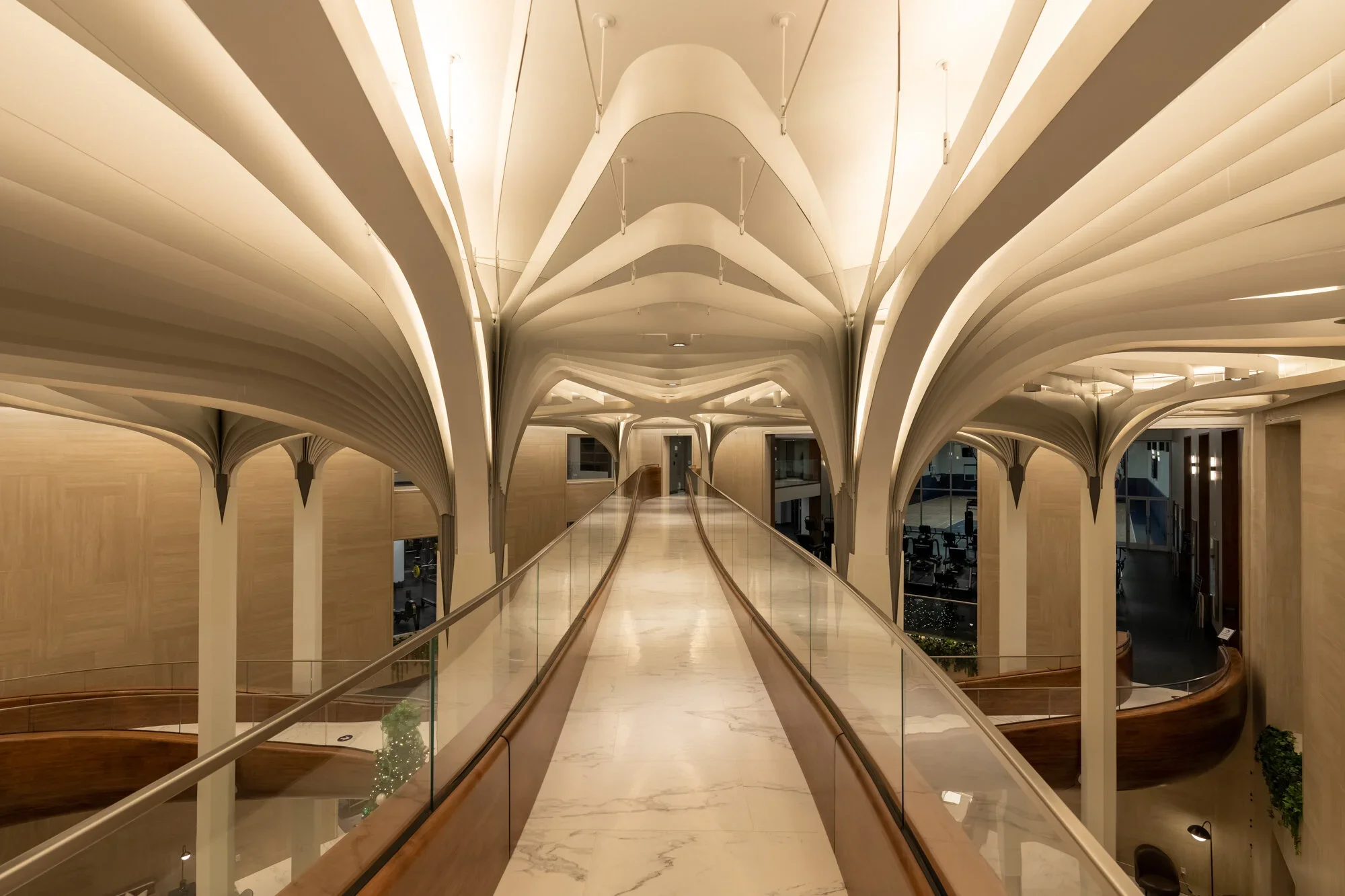
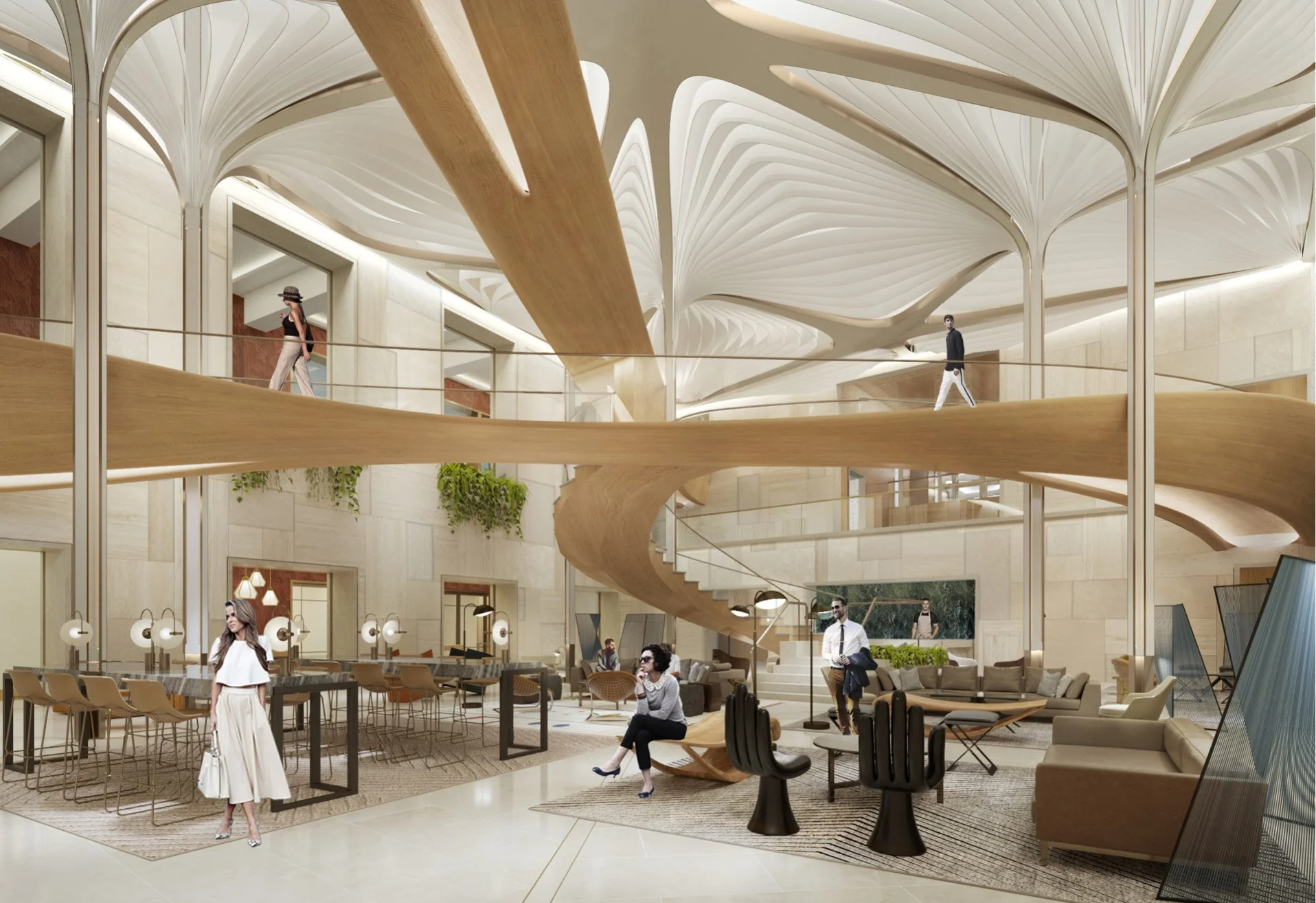
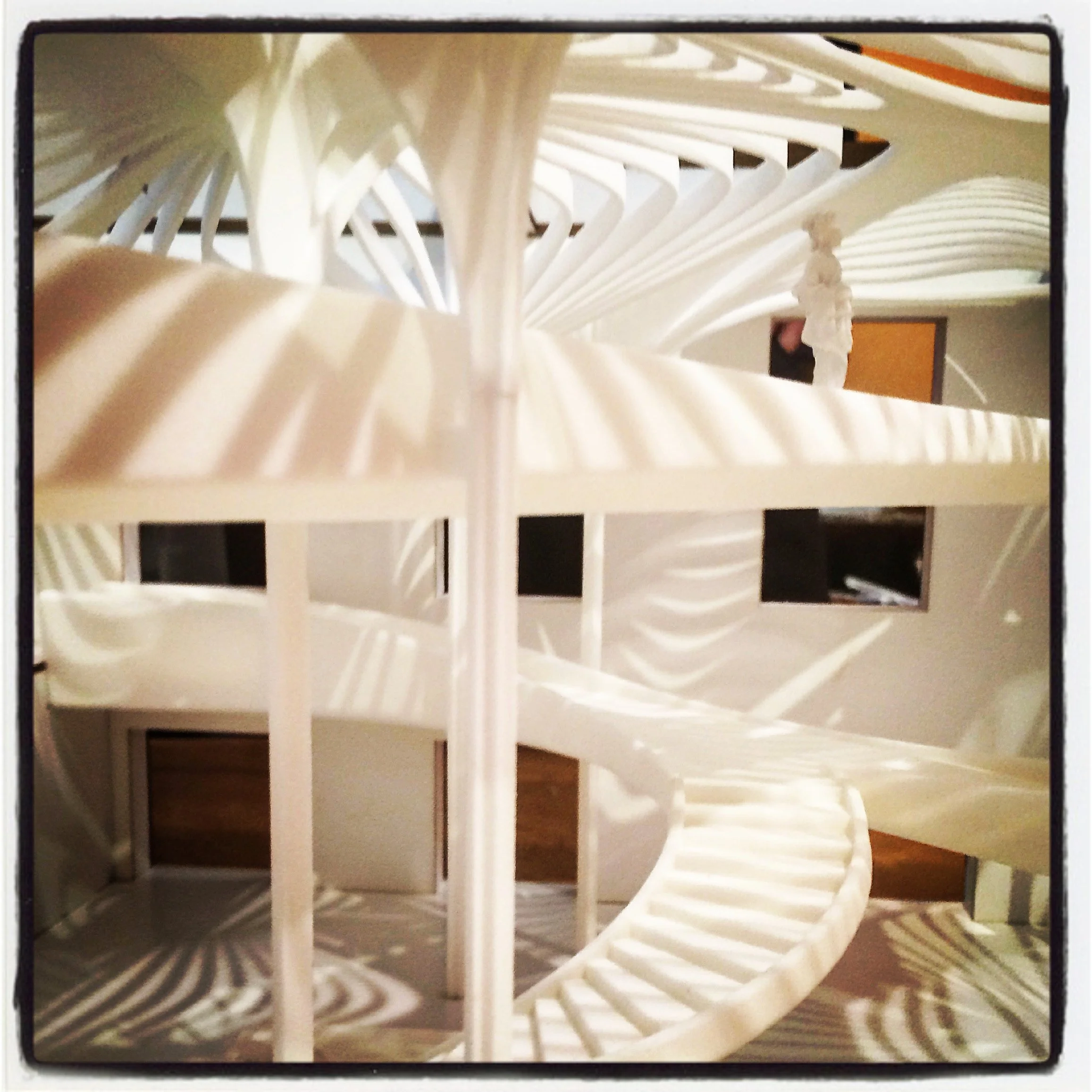
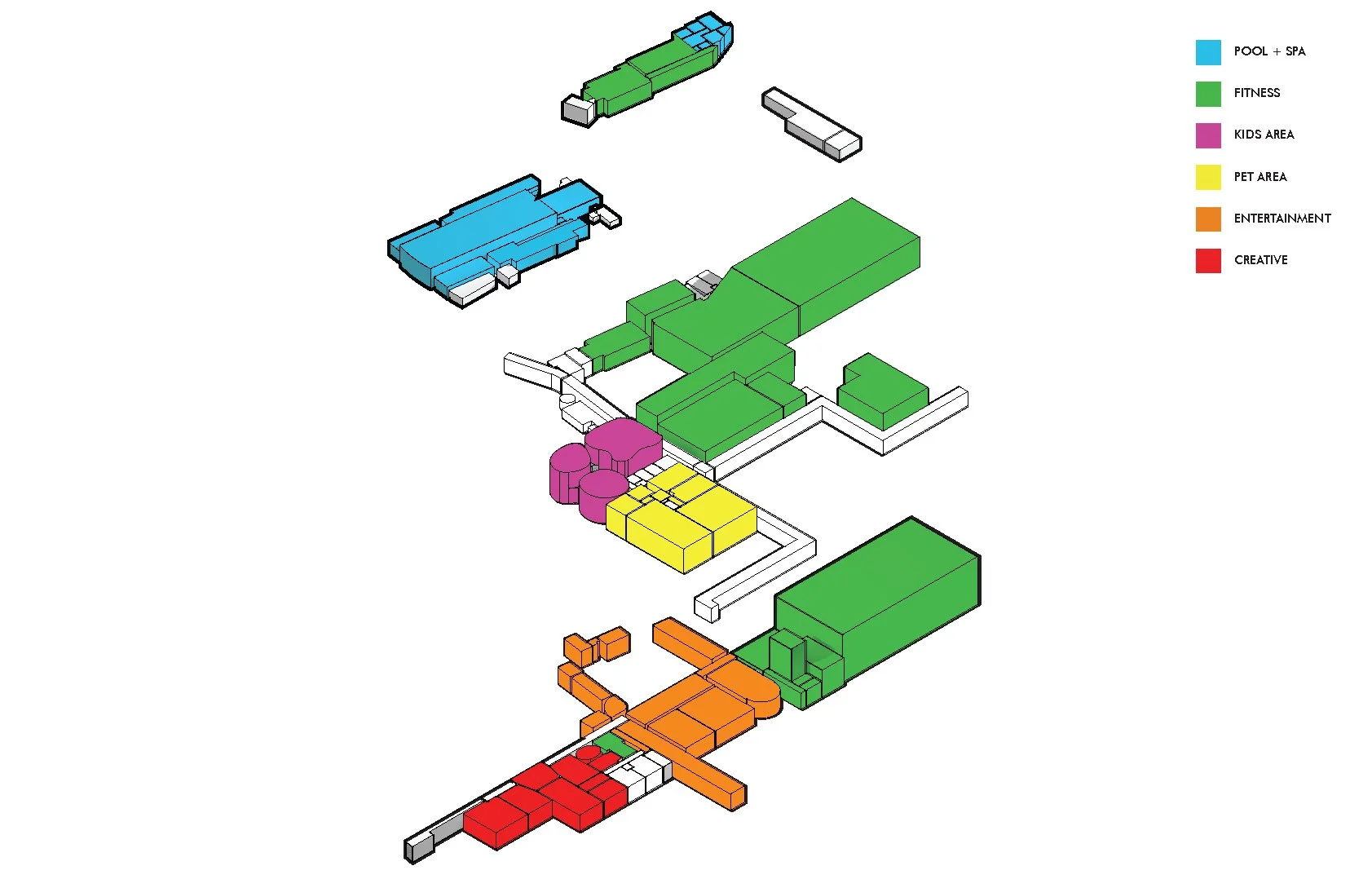
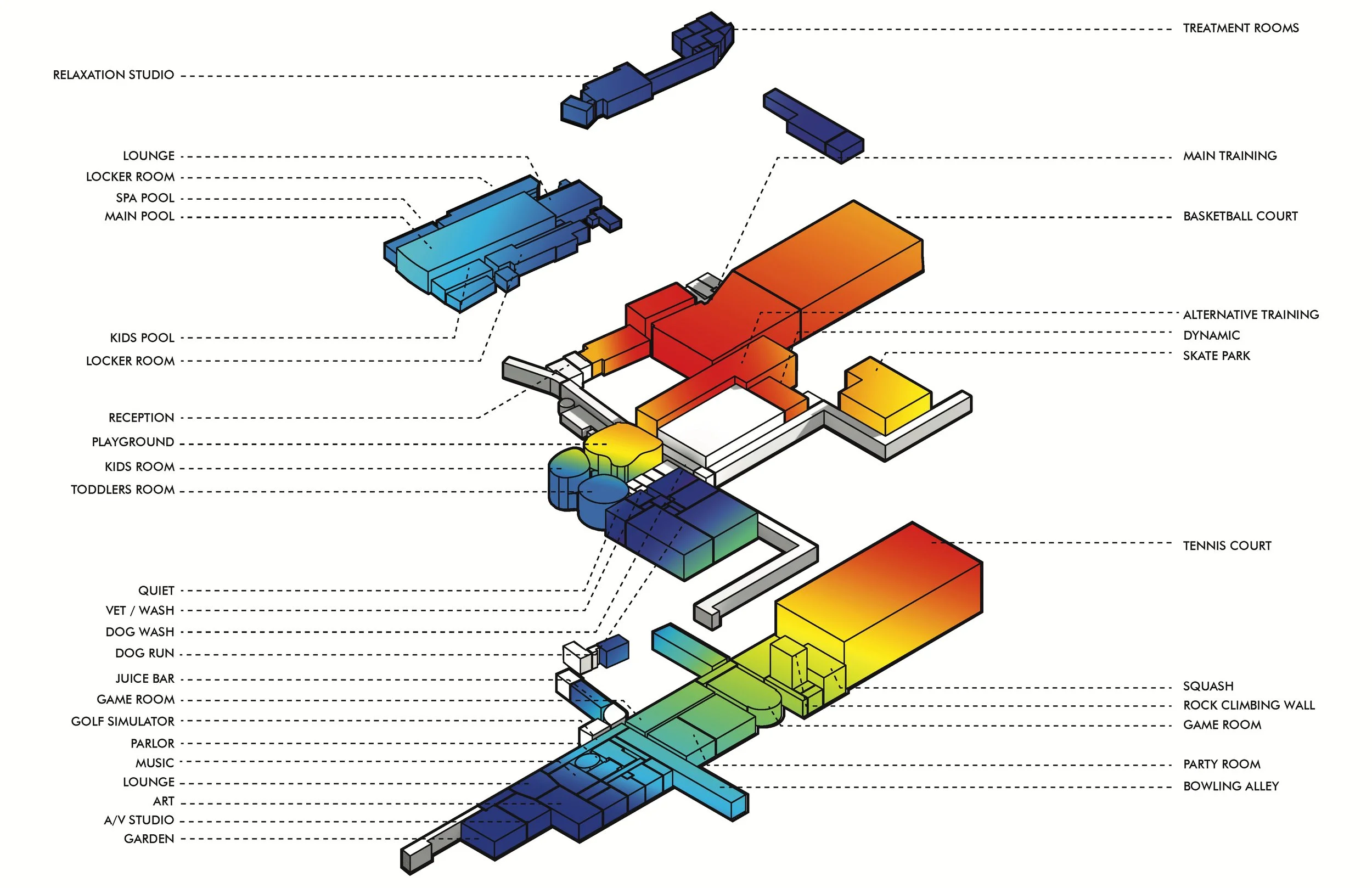
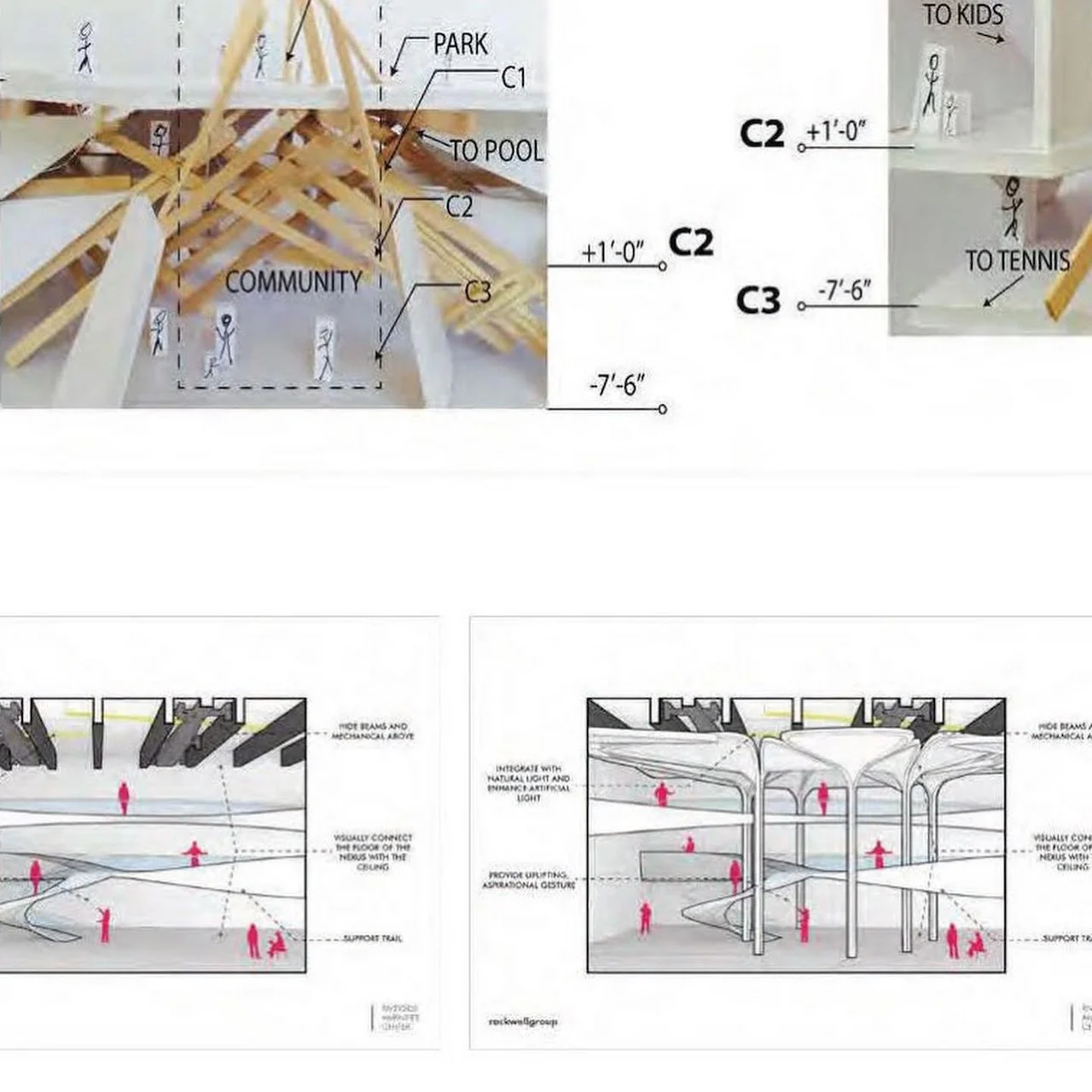
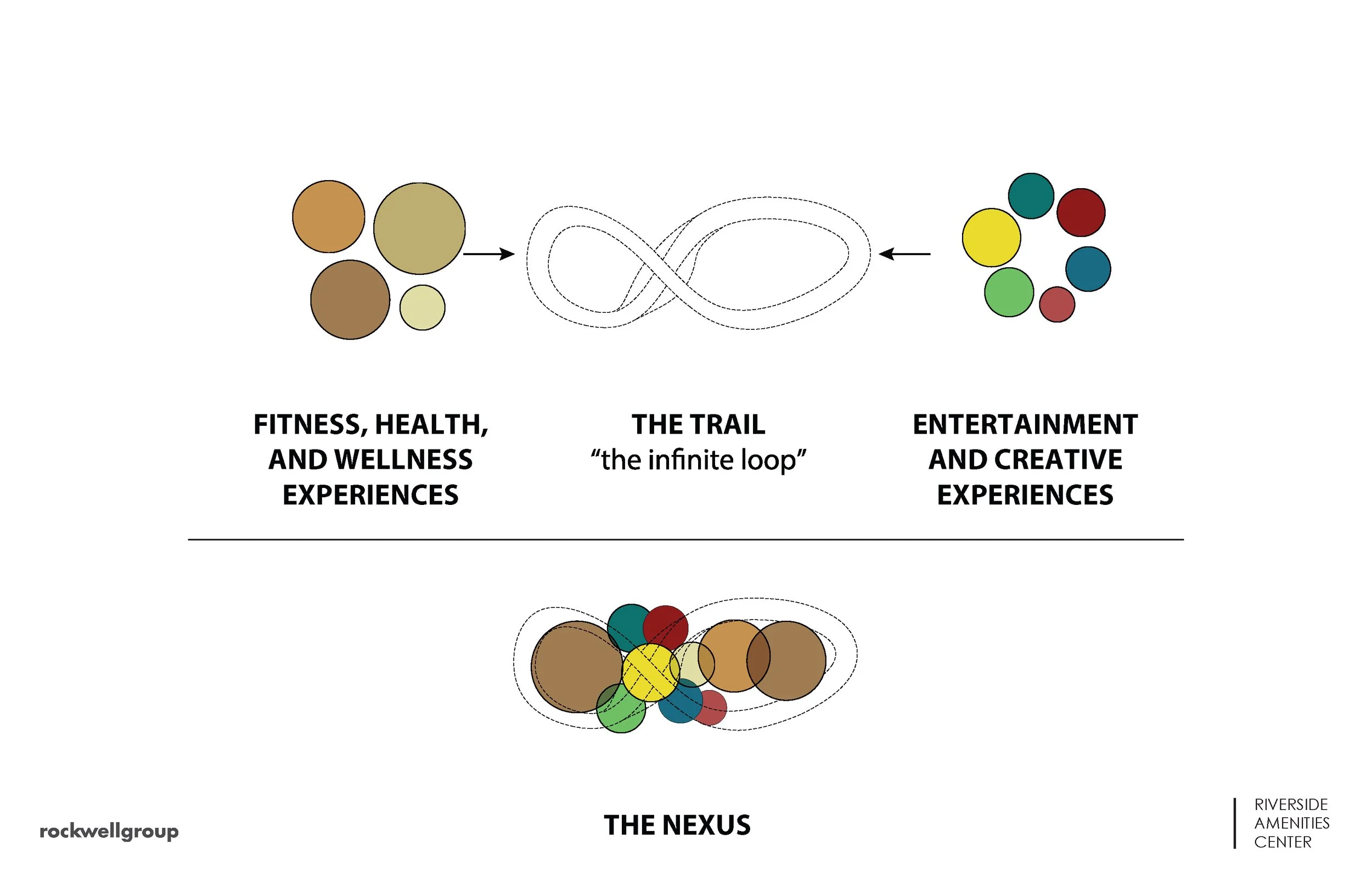
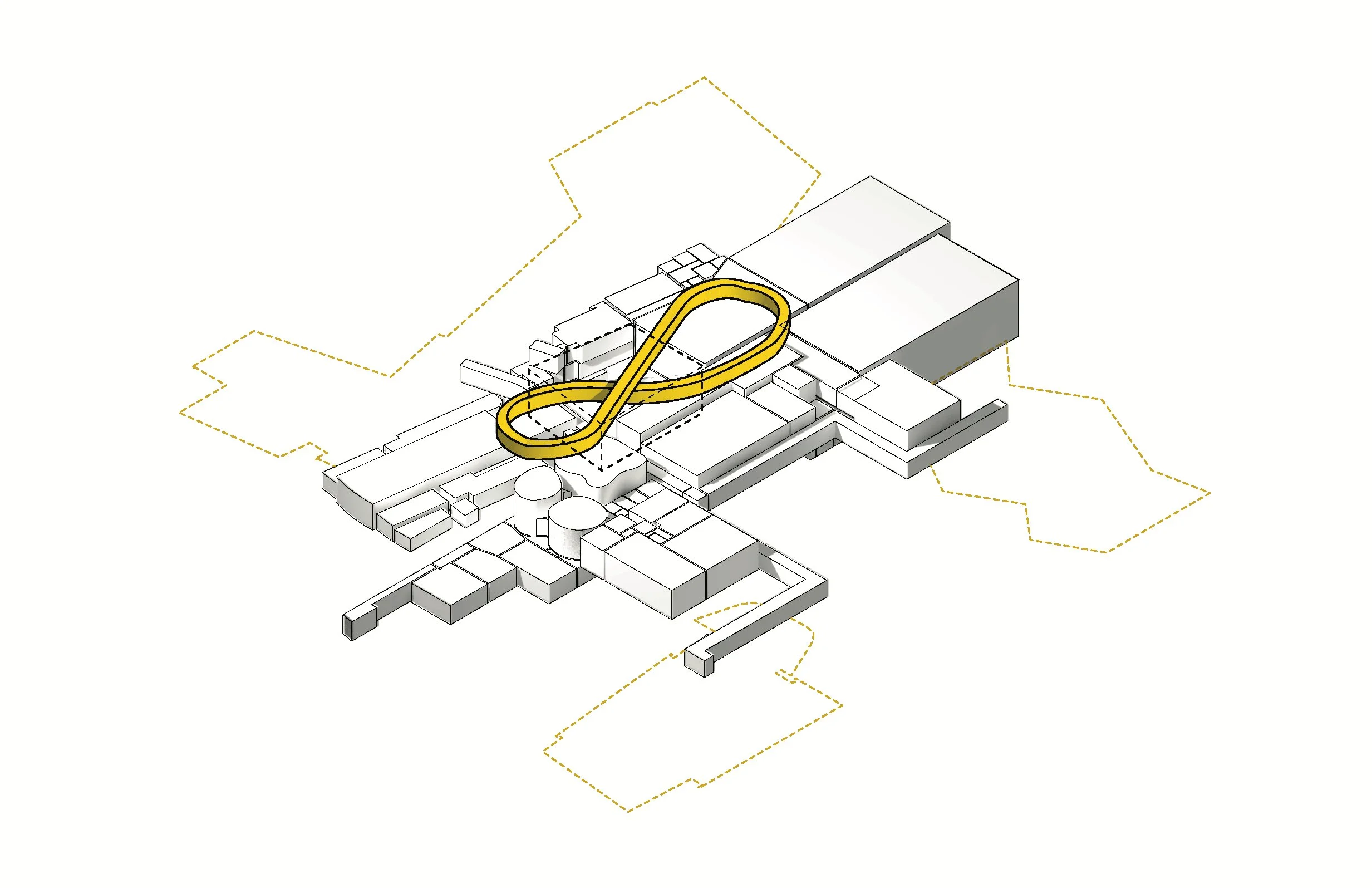
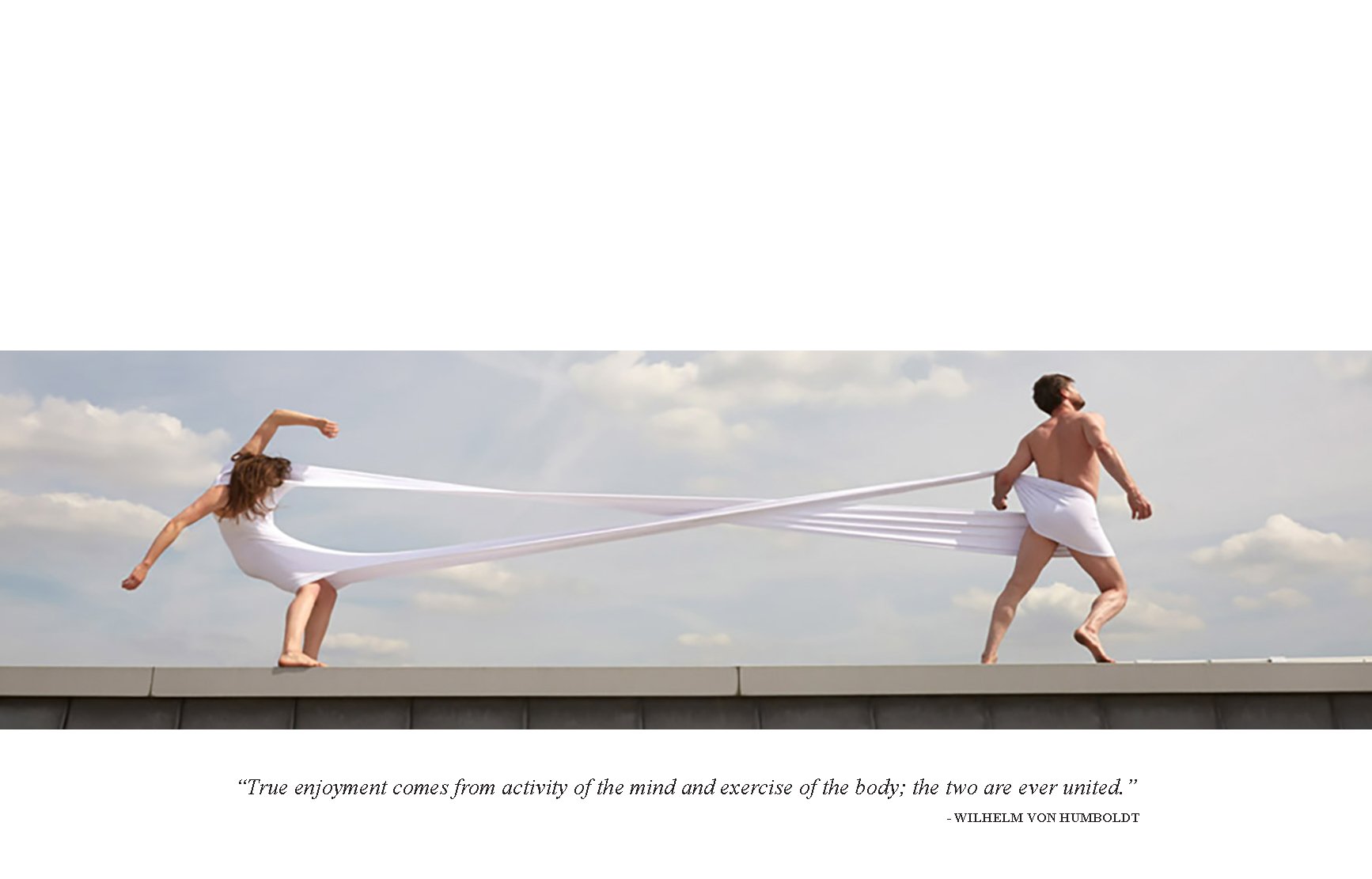
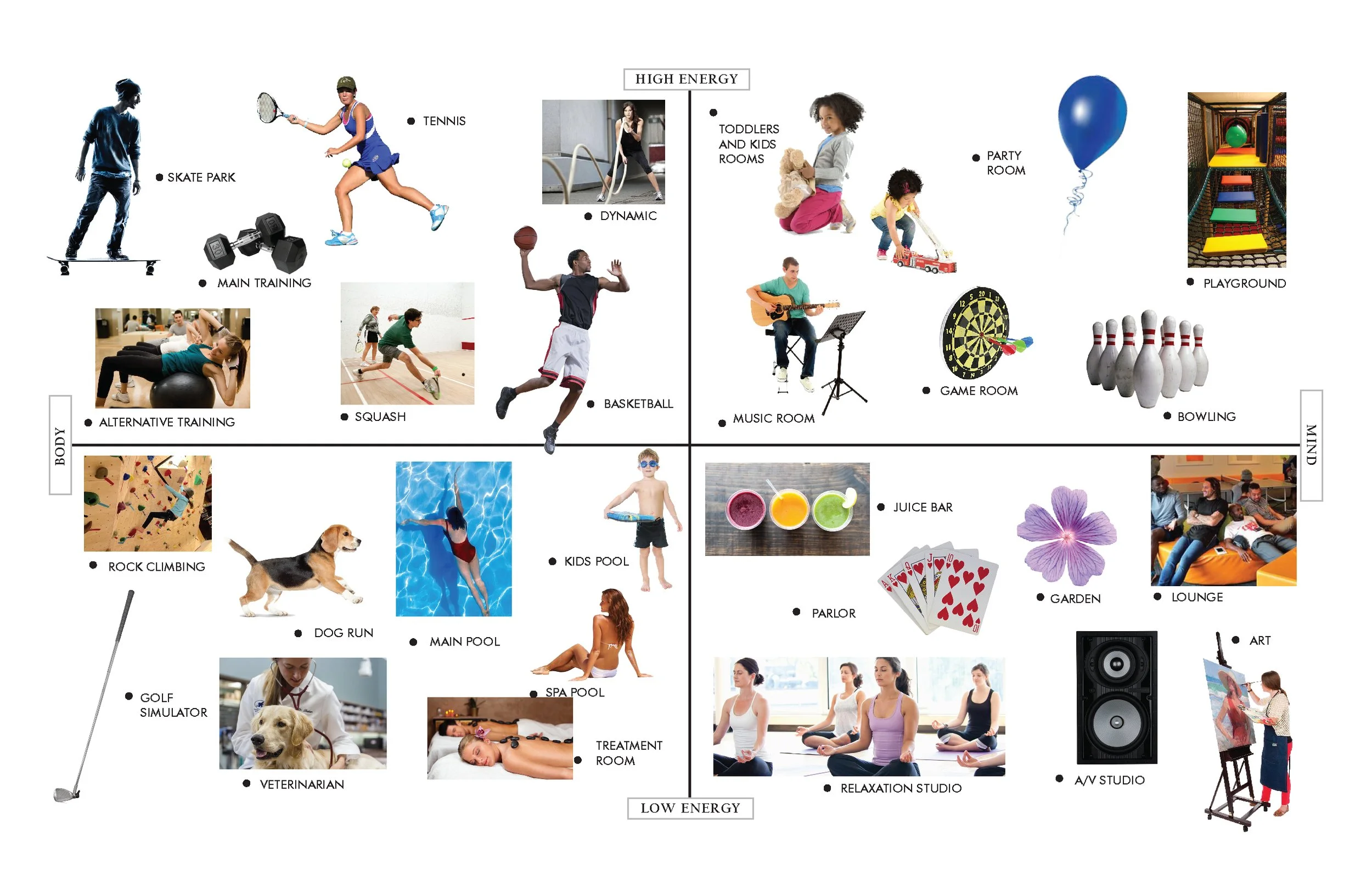
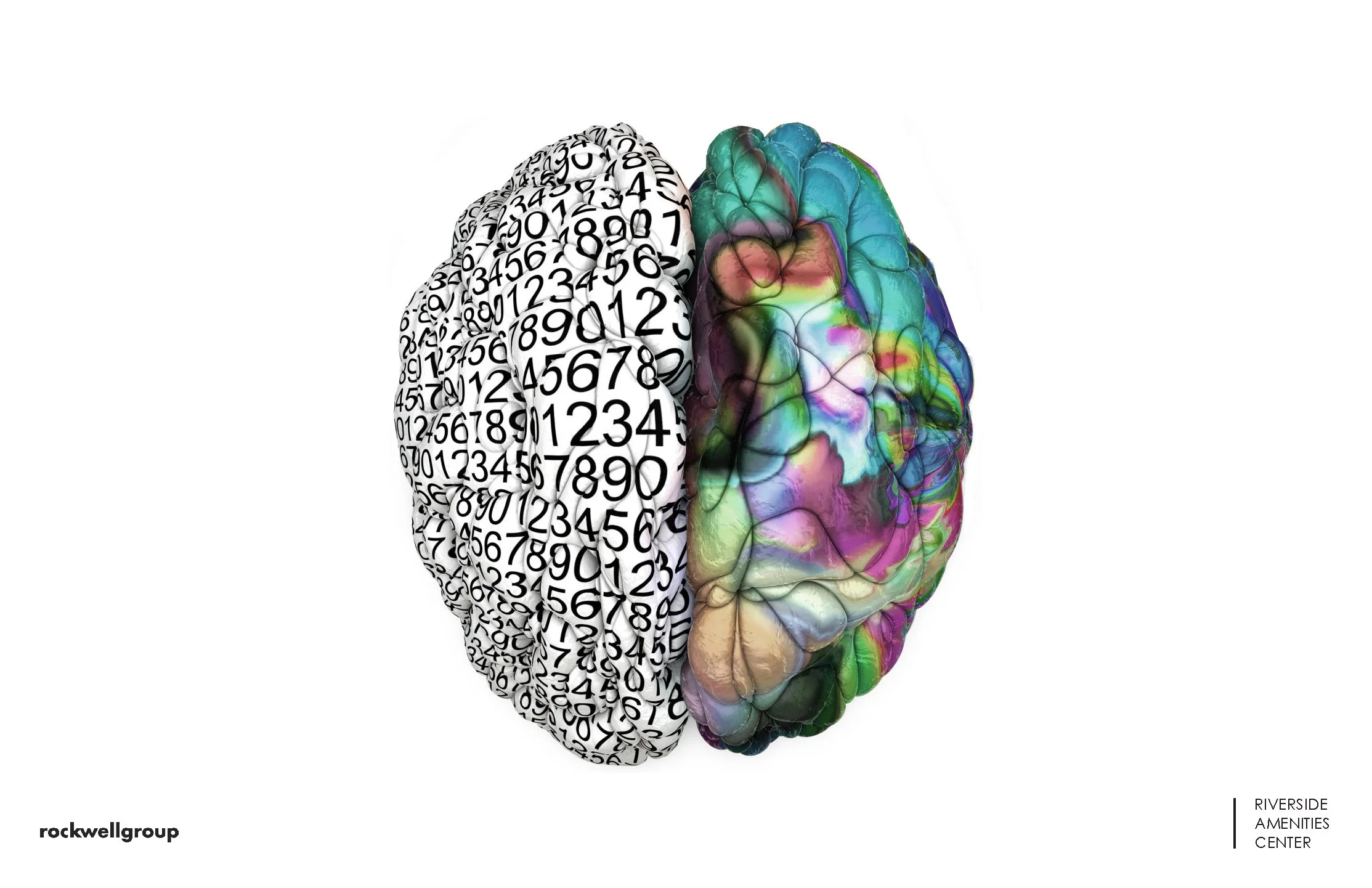
The Waterline Club is the central amenity complex for Waterline Square, a major residential development on Riverside Boulevard. Cara led the design, working with David Rockwell and the GID executive team, beginning with the question of how shared spaces could expand the scale of life for New Yorkers.
The club was conceived as an extension of living space, offering environments for art, music, sports, social gathering, and experimentation. The program includes a wide range of spaces, encouraging creative and physical engagement and transforming the club into a social hub.
Located underground, the club connects to the three towers at different levels. The heart of the project is the Nexus, a three-level circulation space organized around a figure-eight path, symbolizing infinity and resonating with international buyers. Integrated lighting systems evoke natural daylight, helping orient visitors within the subterranean environment. Waterline Club opened in 2019, creating a shared environment that supports urban life.
Easton Town Center
Location Columbus, Ohio
Firm Rockwell Group
Role Studio Leader, 2014-2016
Type Retail / Urban Experience


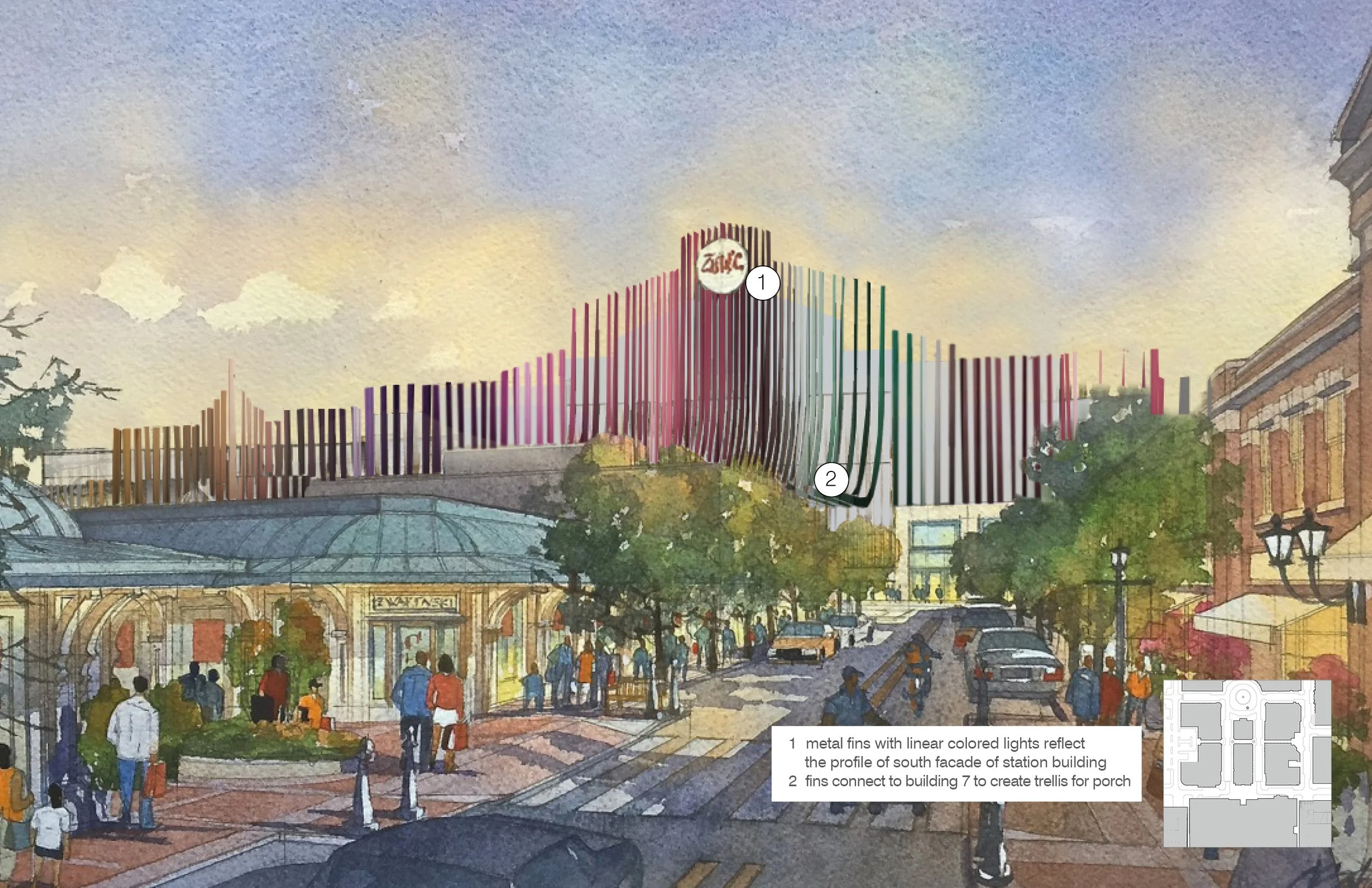


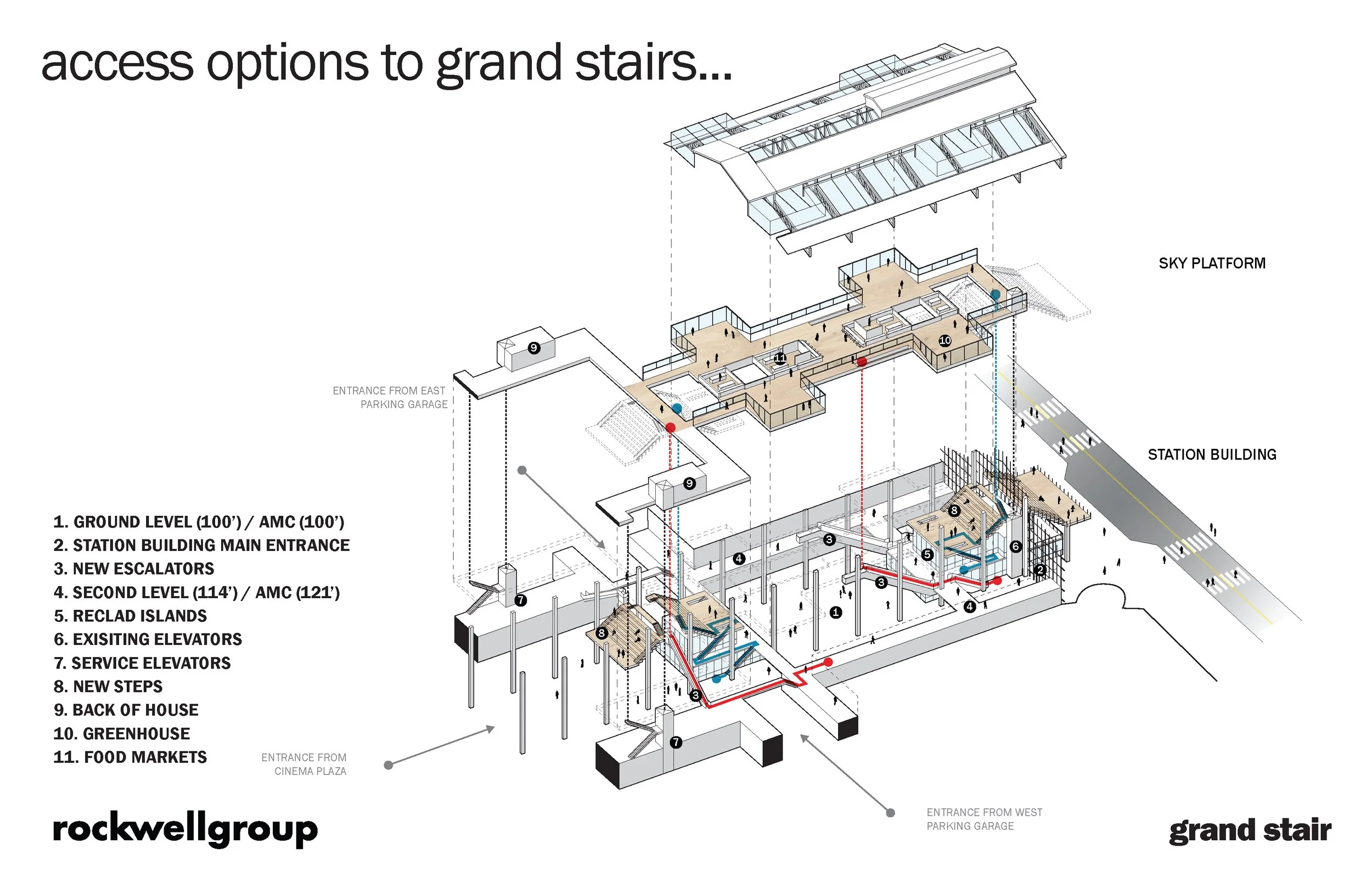
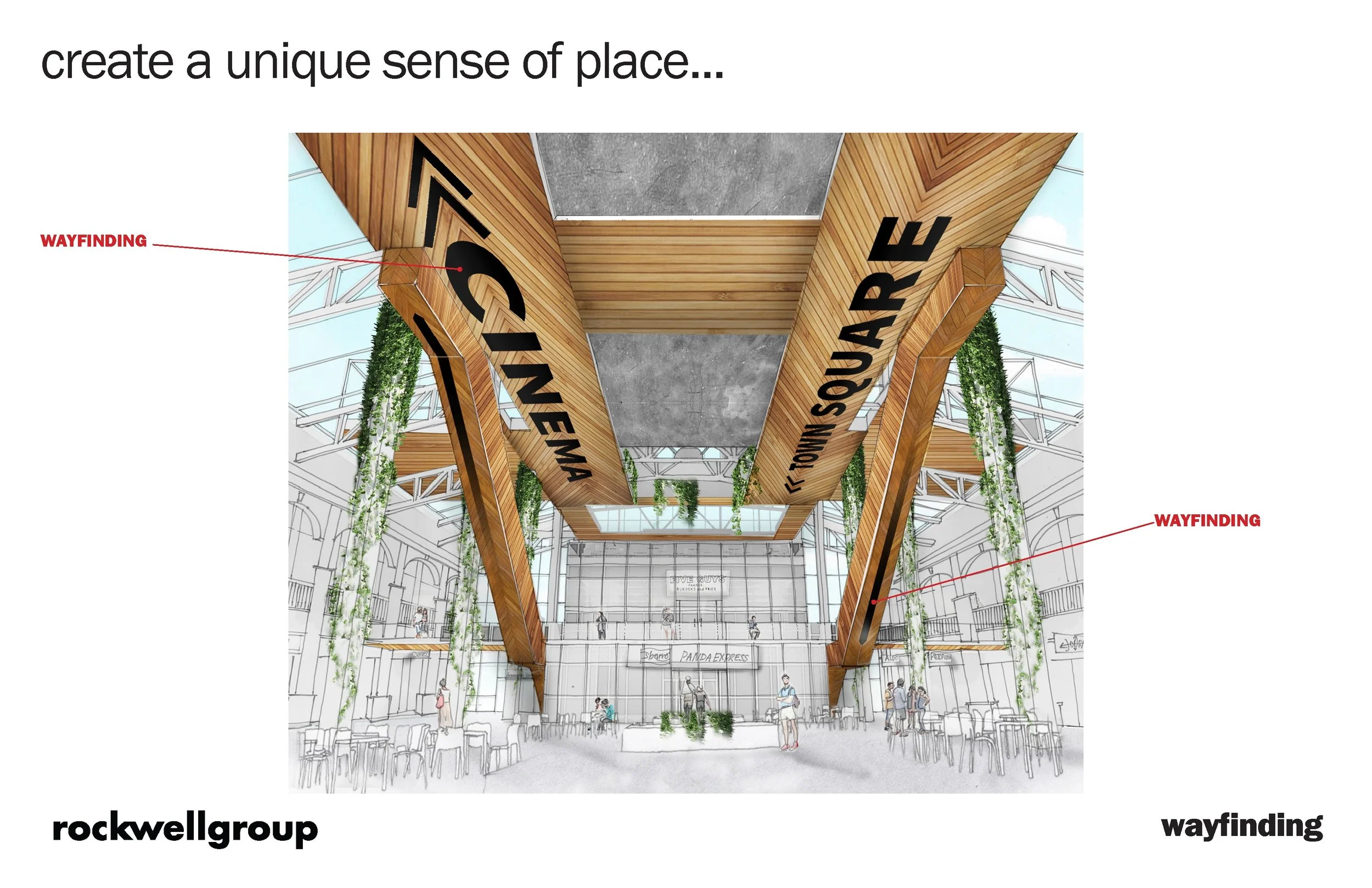

Easton Town Center is a mixed-use retail district in Columbus, Ohio, designed as a walkable urban environment rather than a traditional shopping mall. Cara, as Studio Leader, worked with David Rockwell and the client team on design initiatives to evolve the Easton experience. Her team developed about twenty design proposals exploring new retail typologies and visitor experiences, functioning as a laboratory for testing ideas about architecture and public space.
Cara also led the renovation of Easton’s historic station building, adapting it for contemporary retail uses while reinforcing the district’s urban narrative. The project involved frequent working sessions, with proposals reviewed and refined through an iterative design process.
Happy V
Type Concept Project
Location New York, New York (2015–2016)
Firm Rockwell Group
Role Studio Leader, 2014-2016
Type Experiential Retail / Immersive Theater
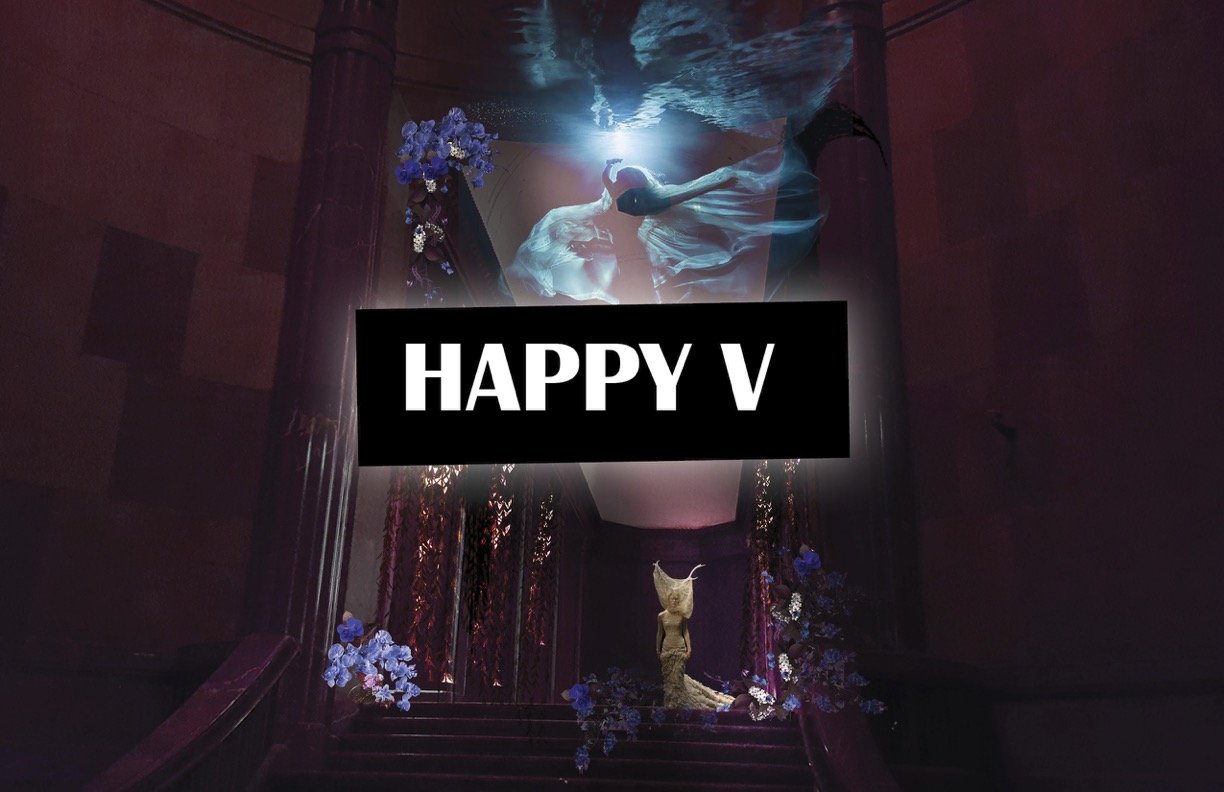

Happy V was an experimental concept developed with immersive theater producer Randy Weiner. Cara, as Studio Leader, collaborated with David Rockwell and the client team to explore a hybrid model combining immersive storytelling, nightlife, and retail. The project envisioned a narrative-driven experience where visitors encountered goods through story-driven interactions, transforming purchasing into memorable experiences.
The concept investigated how emotional and sensory immersion could alter the value of objects, with items carrying the memory of the experience. The project allowed Cara to explore the intersection of architecture, storytelling, and psychology, studying how spatial design and performance could create environments where guests entered a new emotional landscape. Though never realized, it remains an exploration of narrative environments.
Saks Fifth Avenue
Location New York, NY
Firm Gehry Partners
Role Design Lead; Client Liaison, 2005-2006
Type Luxury Retail Strategy
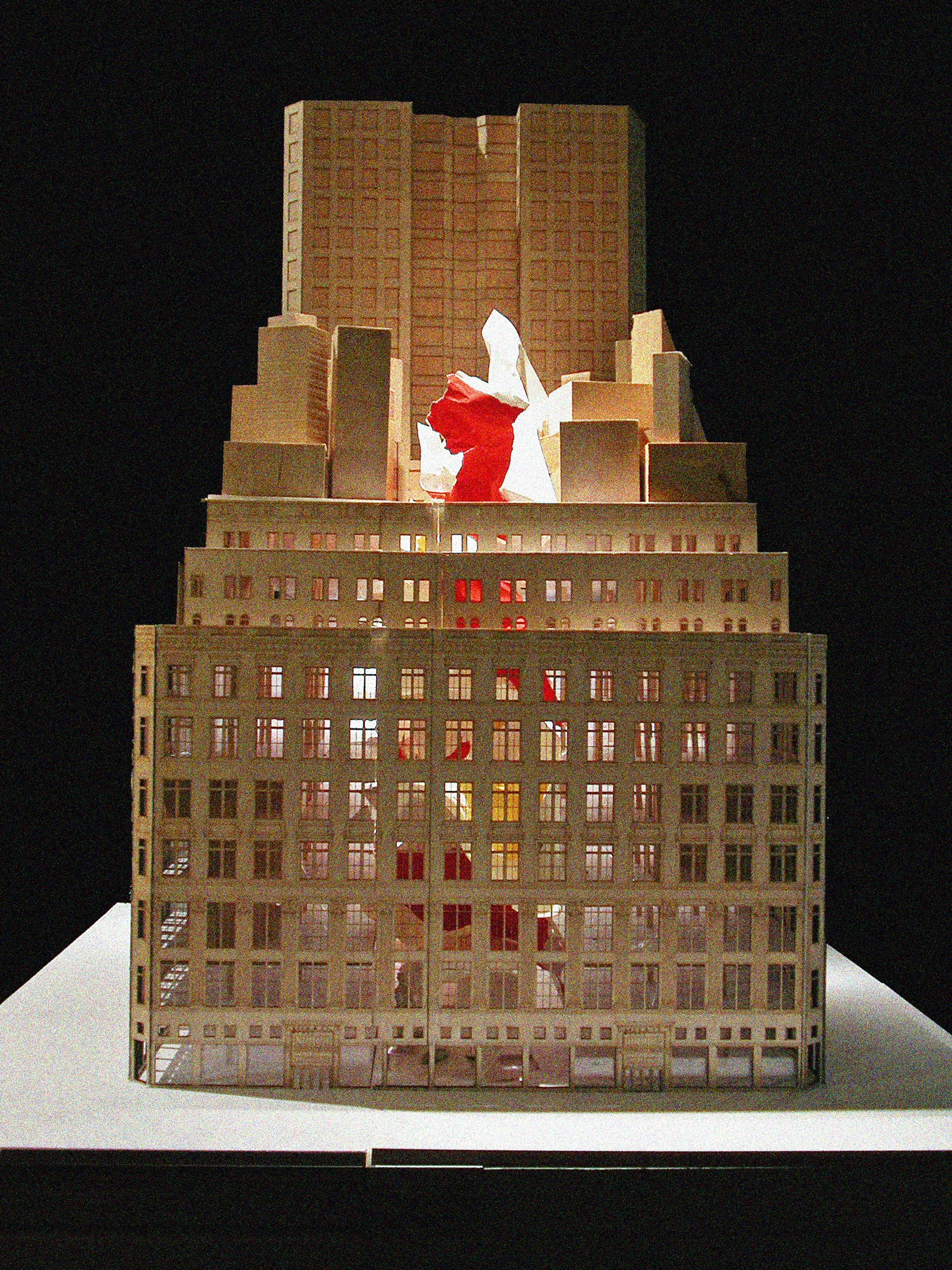
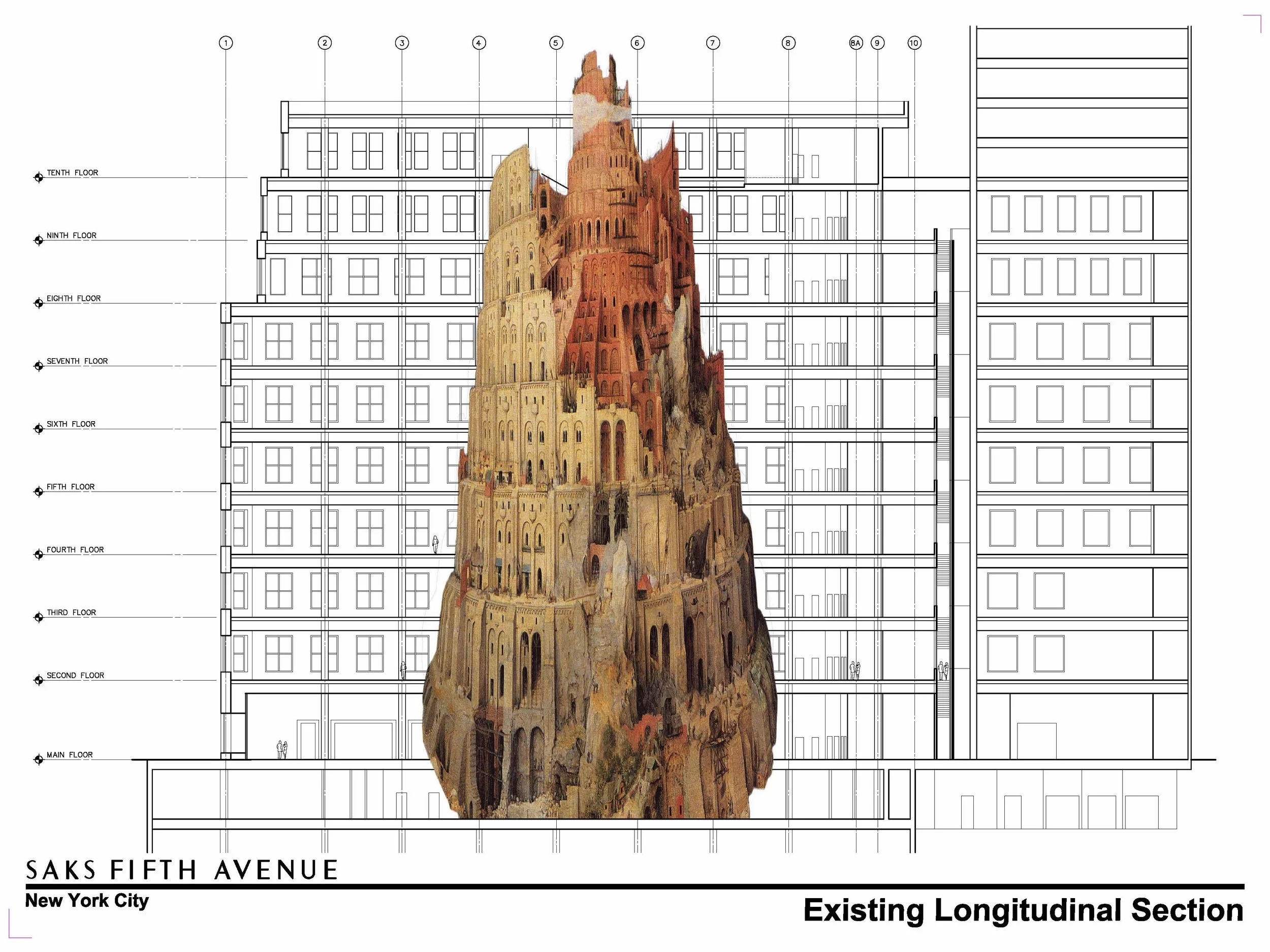
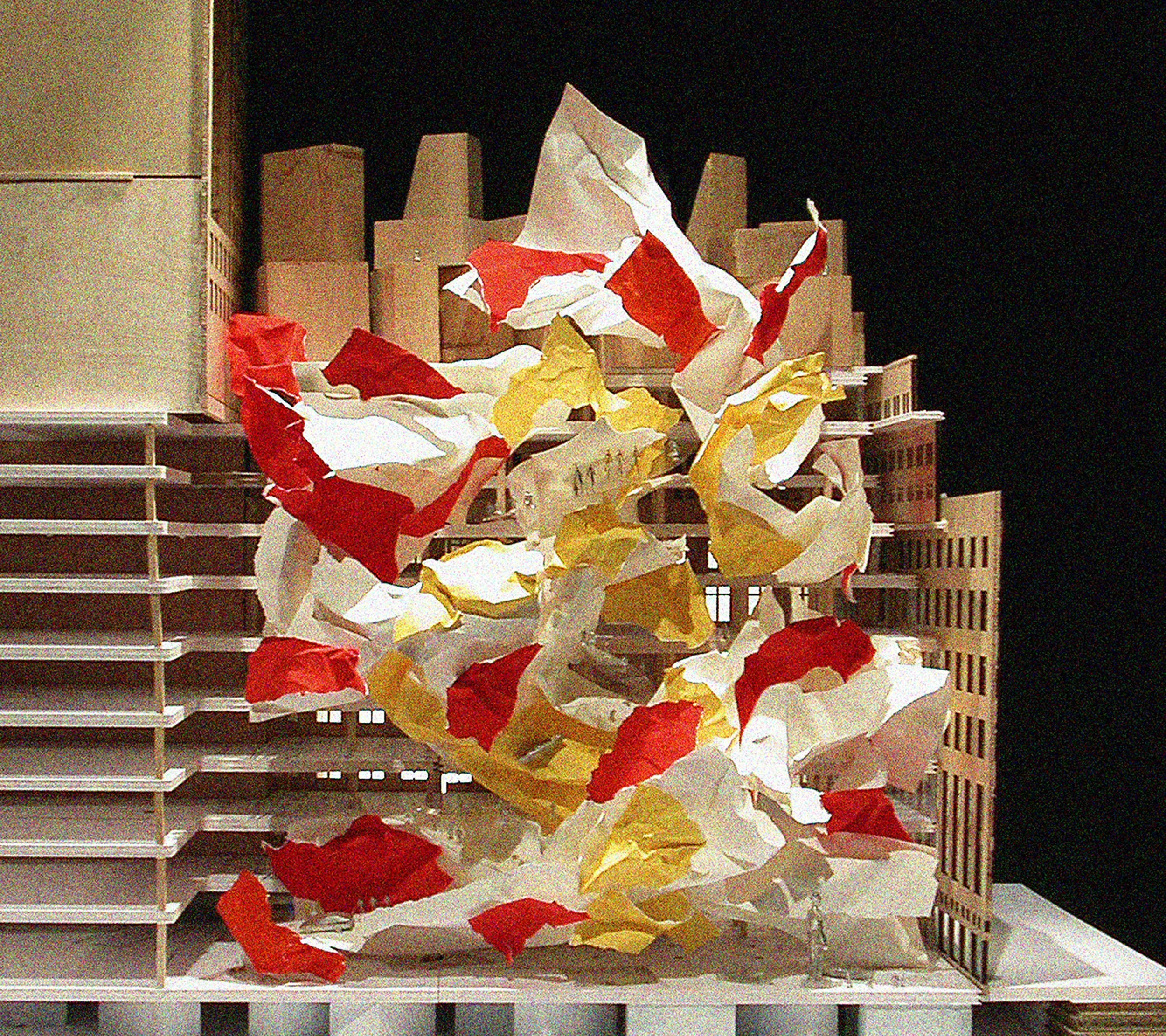
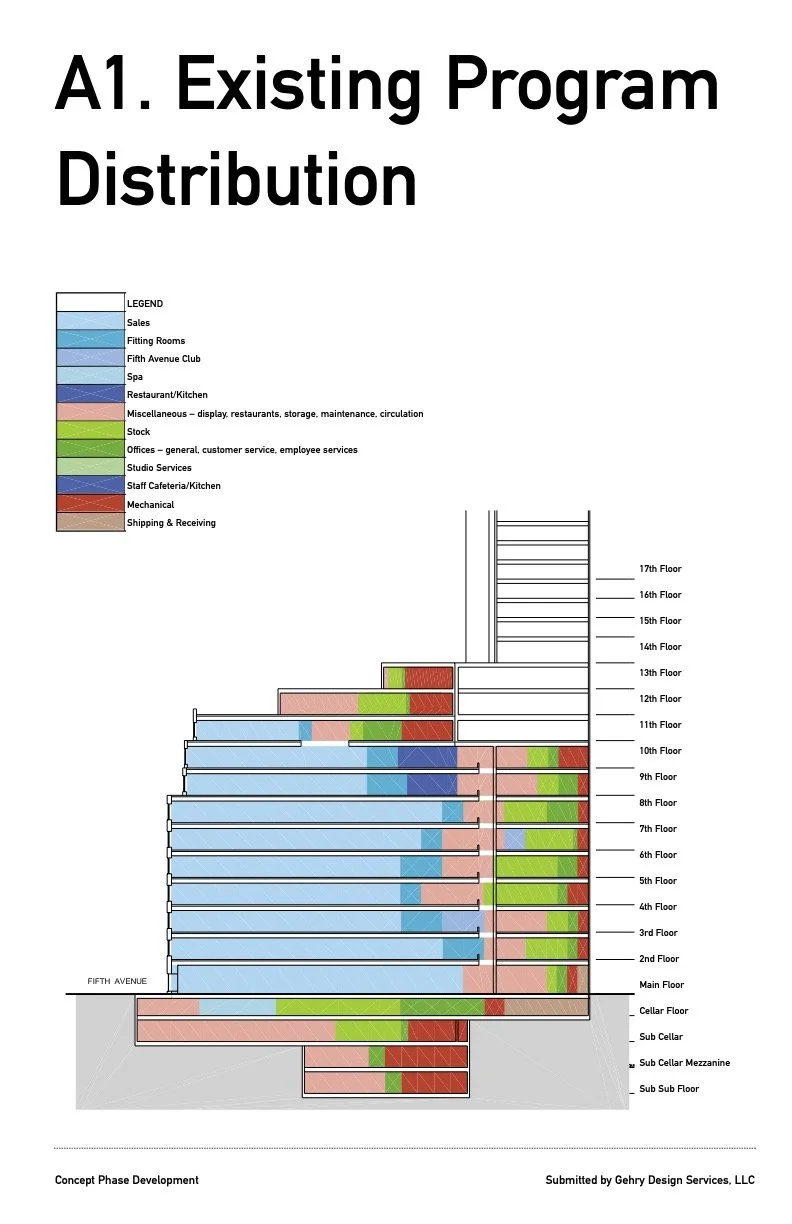
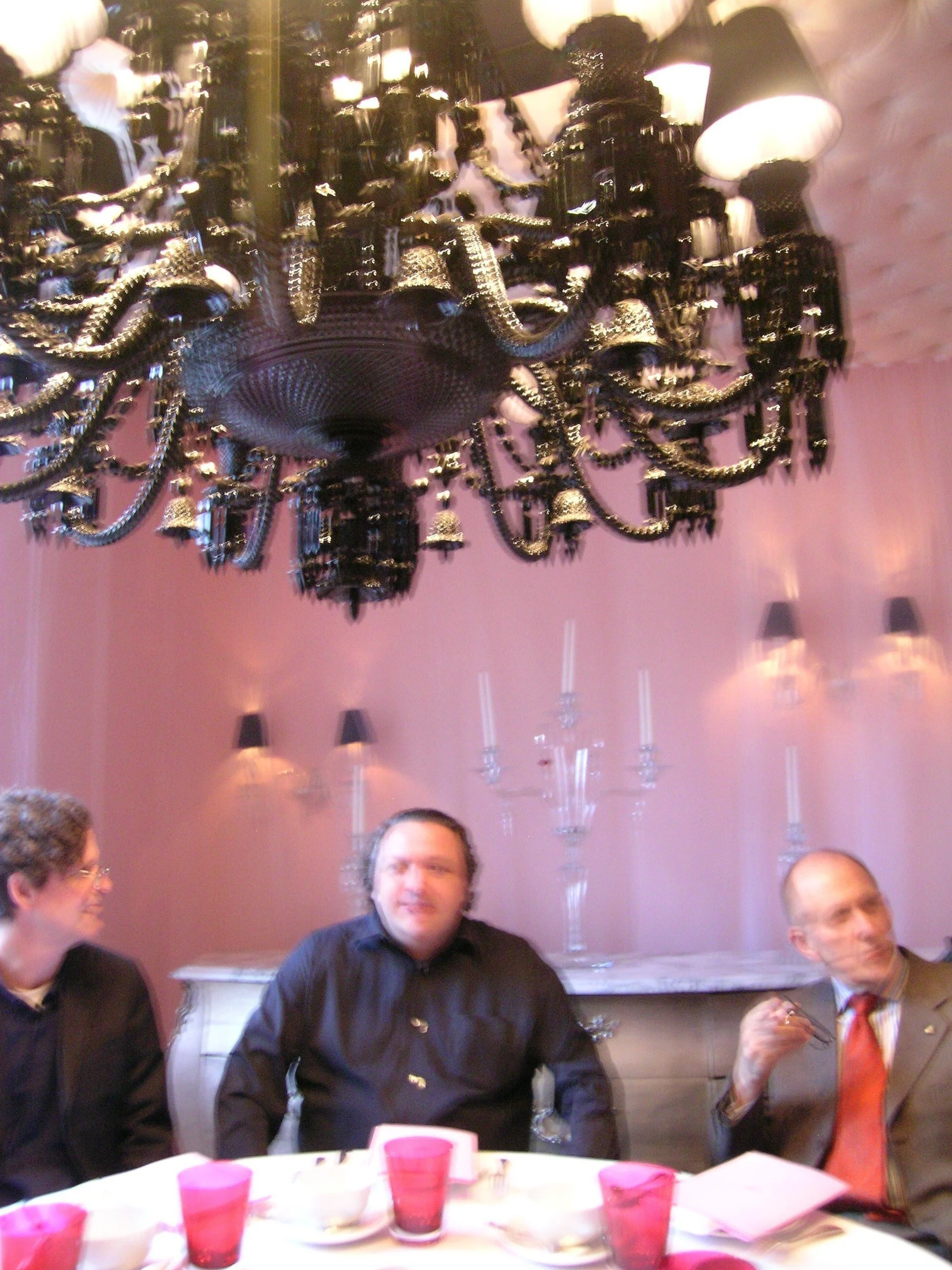
Cara contributed to exploratory studies for Saks Fifth Avenue on the future of luxury retail. The project involved collaborators such as Frank Gehry, Bruce Mau, and Saks leadership, examining how department stores might evolve amid changing consumer expectations and experiential retail trends.
Cara quickly became a key member of the design team, conducting research and analysis on store layouts, circulation, and customer behavior. She participated in international trips to study flagship stores and retail districts, learning how architecture, merchandising, and storytelling create memorable experiences. Her early background in fashion informed the team’s understanding of brand identity and consumer behavior. The project was a formative experience in strategic thinking and spatial design’s influence on cultural perception.
Gehry Watch for Fossil
Firm Gehry Partners
Role Design Lead; Client Liaison, 2004-2005
Type Consumer Product Collaboration / Product Design
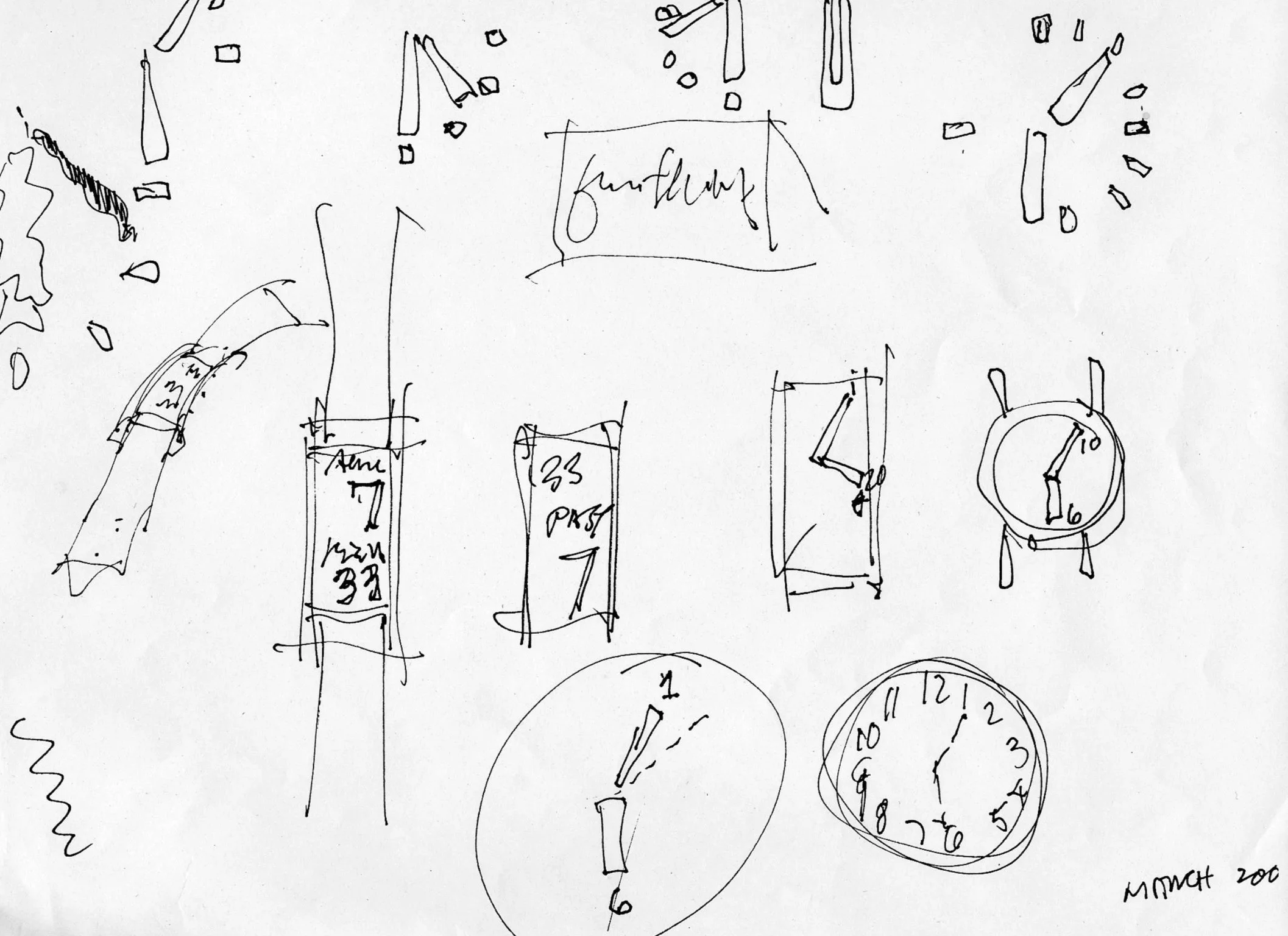

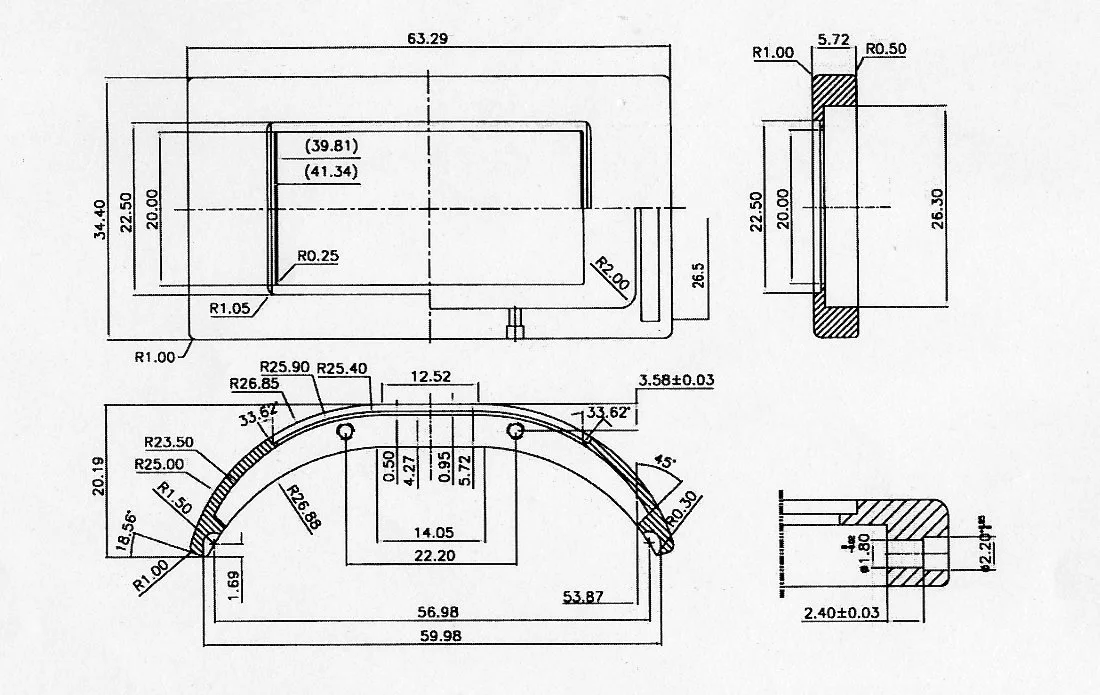
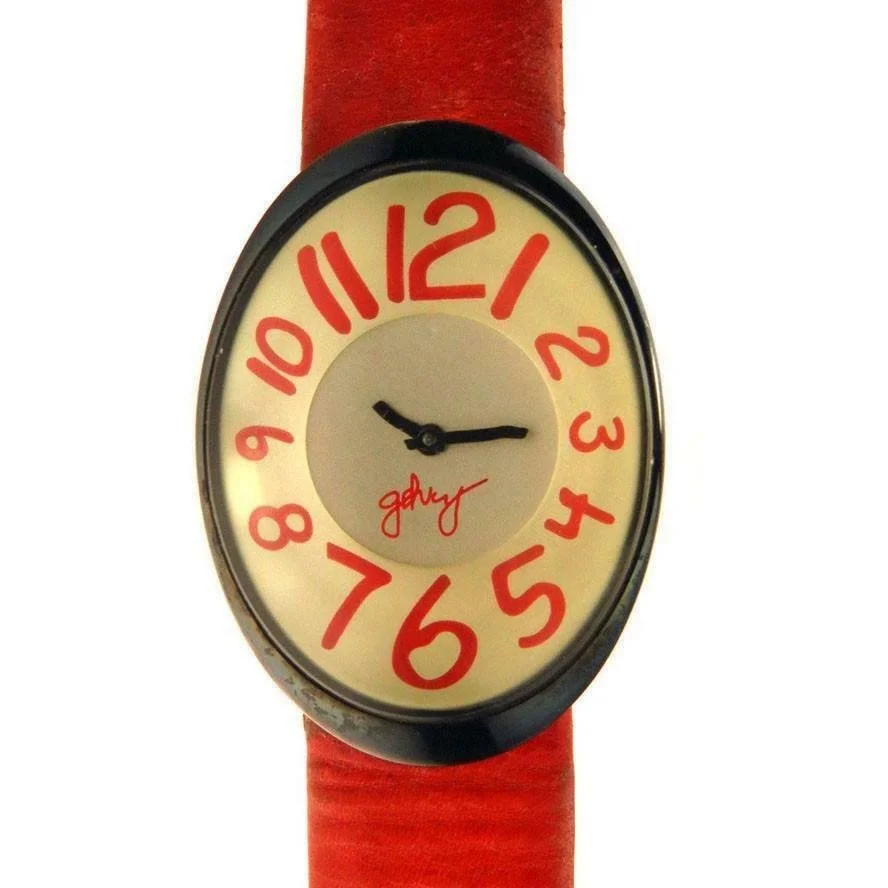
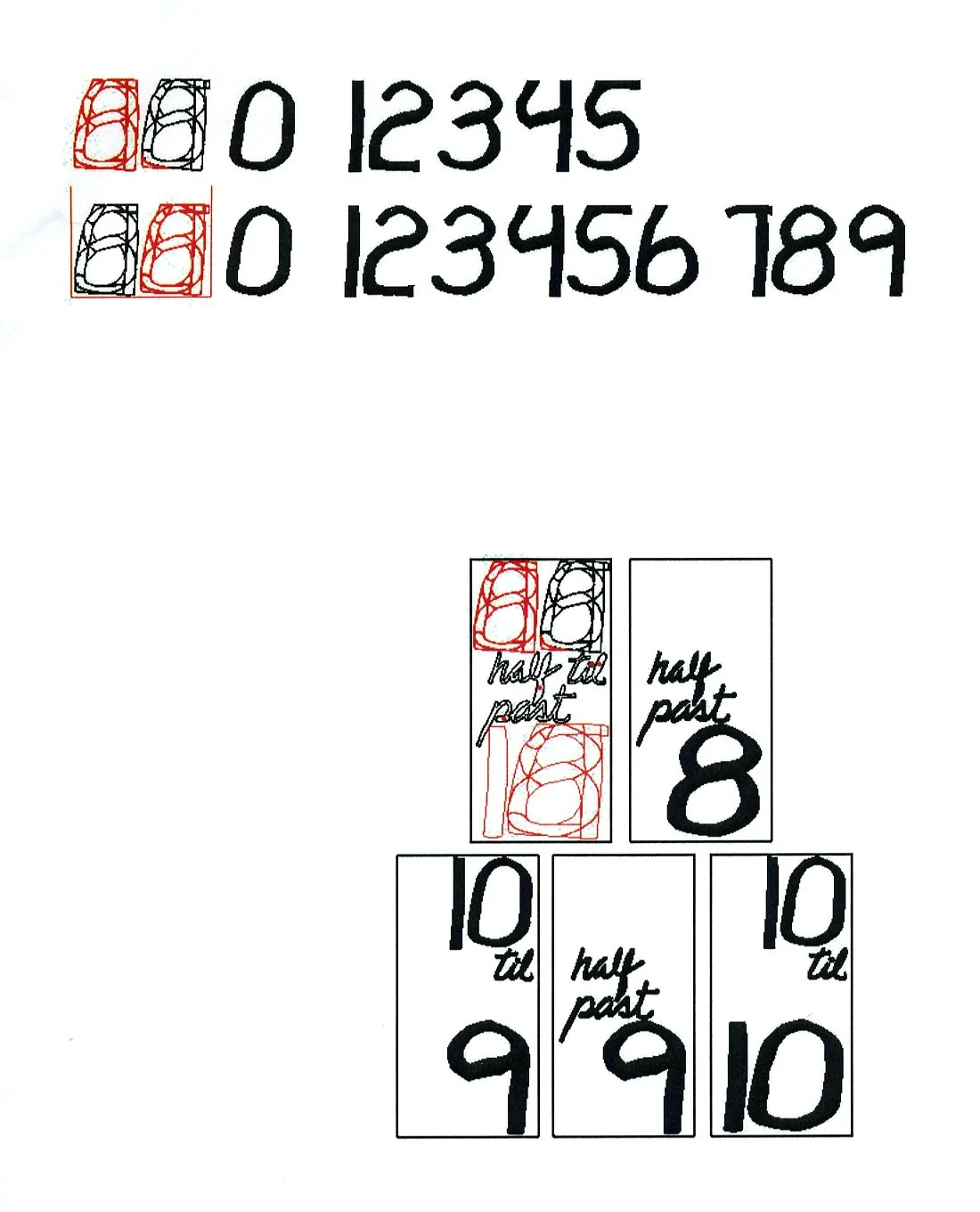
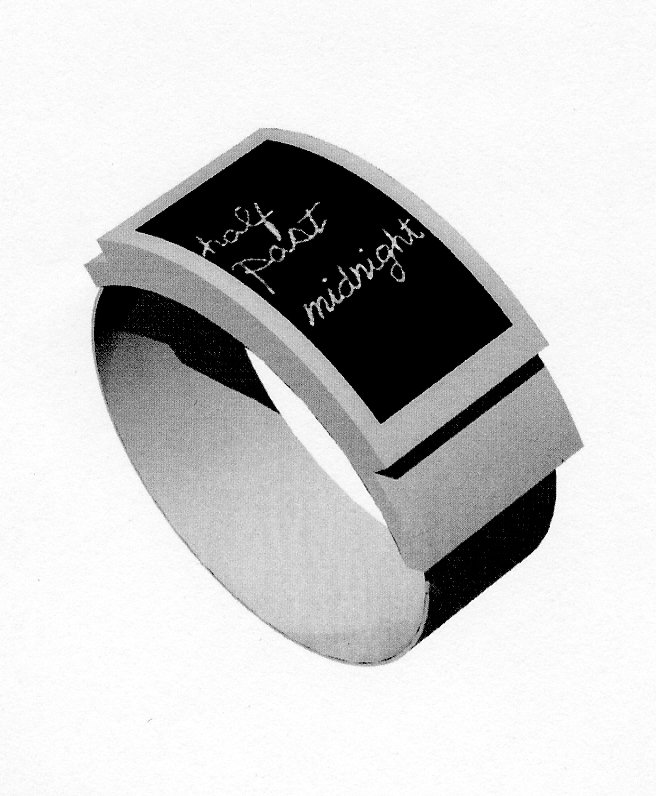
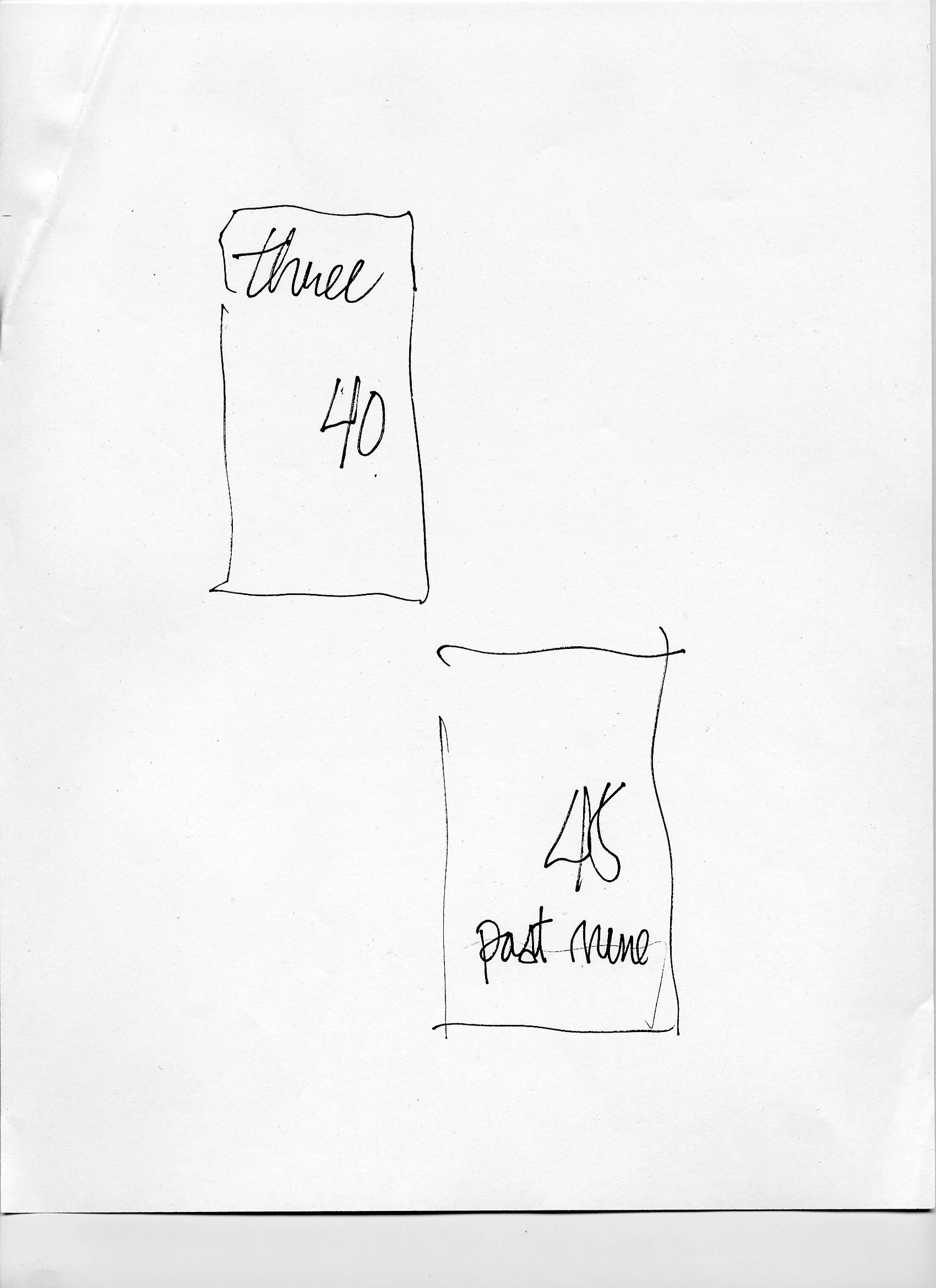
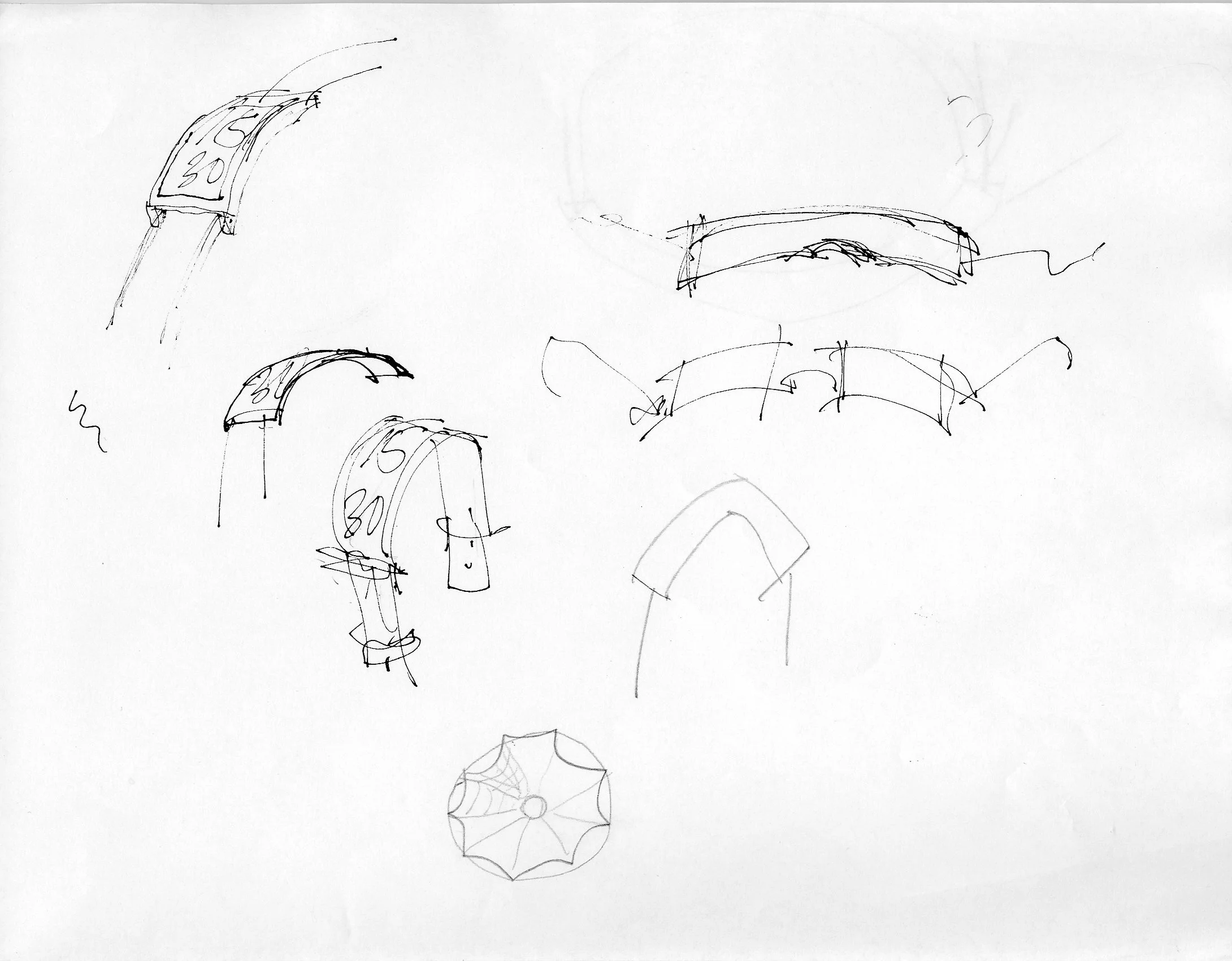
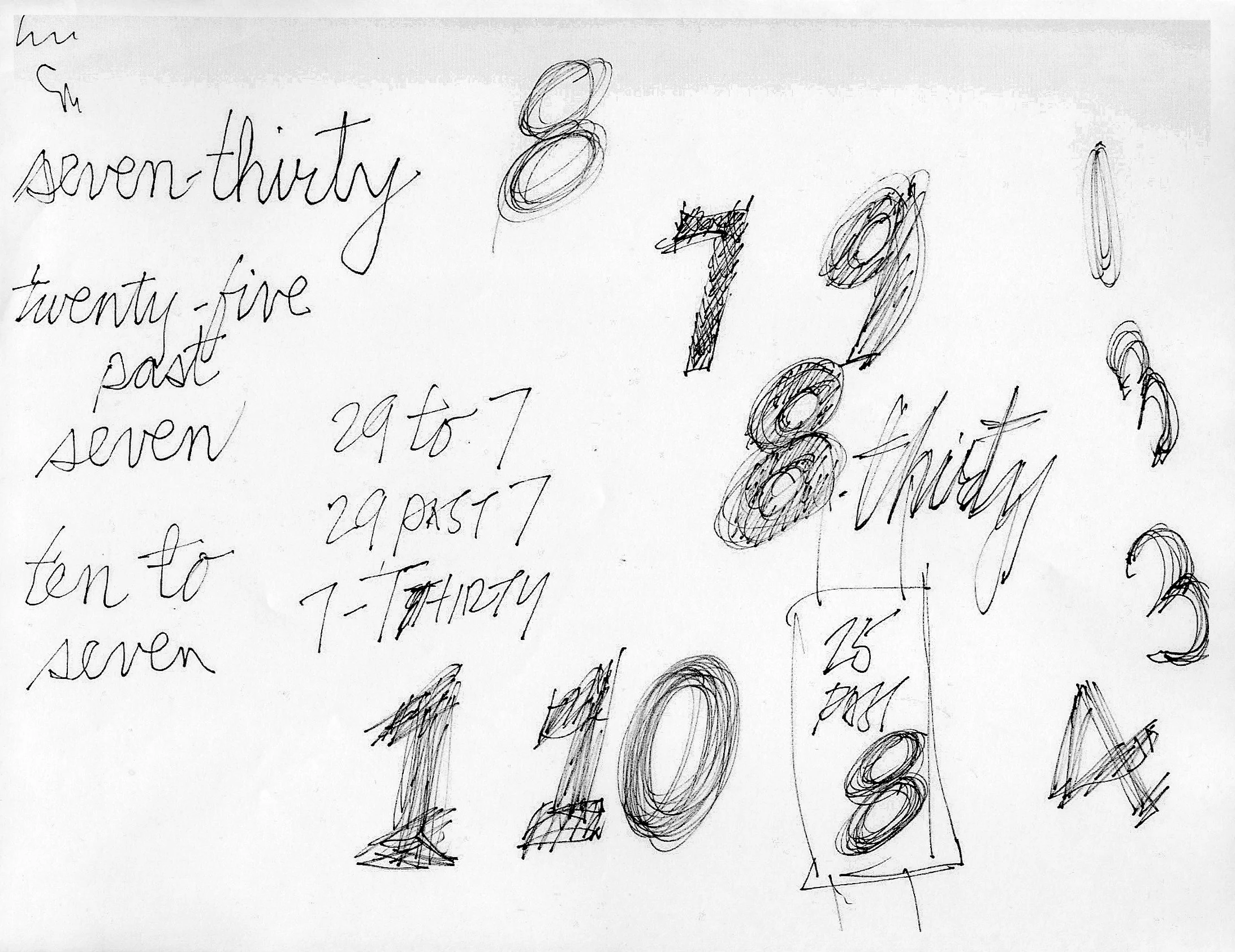
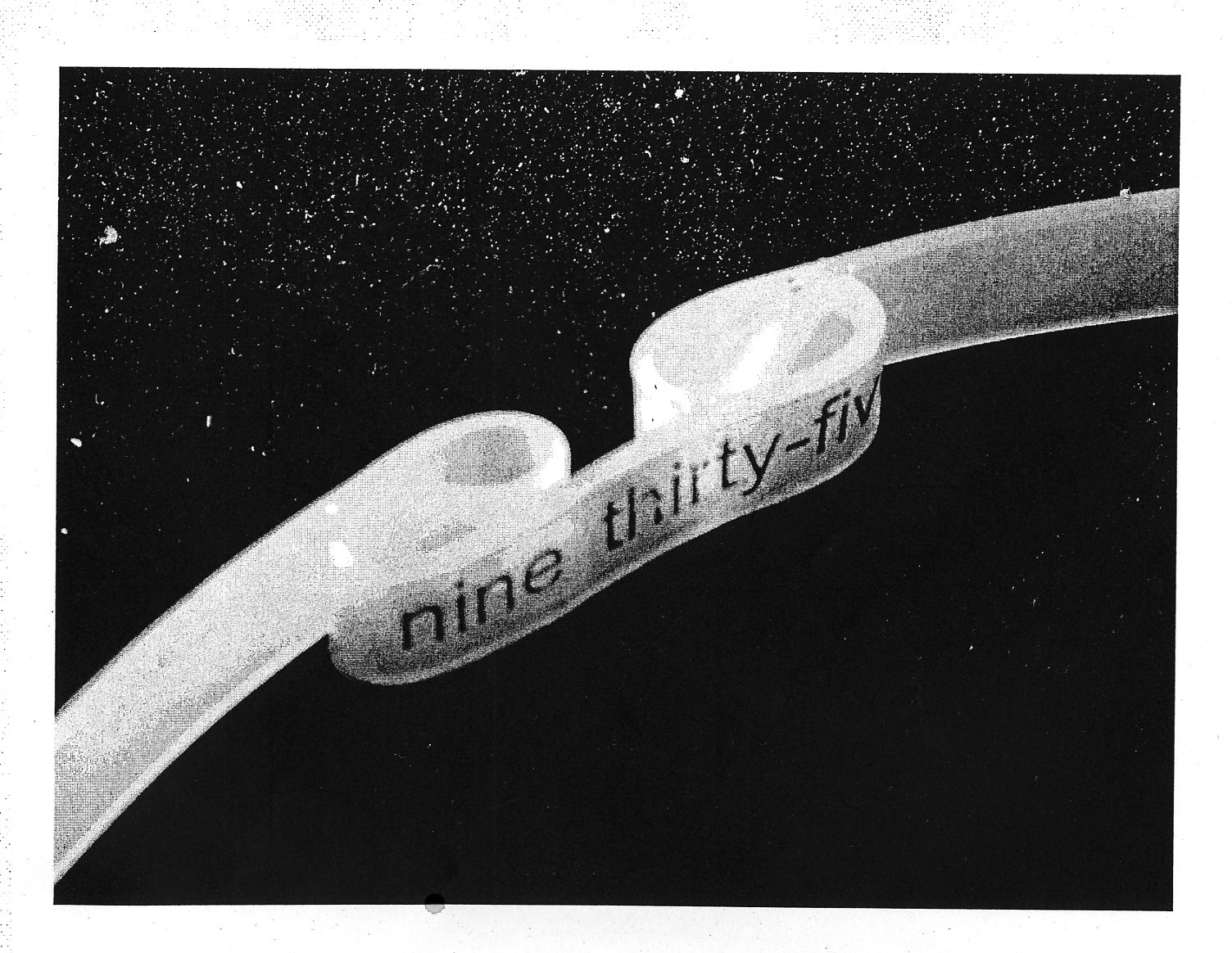
Cara led the development of a watch design collaboration between Frank Gehry and Fossil, translating Gehry’s sculptural language into a consumer product. The project involved exploring unconventional forms and emerging display technologies, such as electronic ink. Cara worked closely with Gehry and Fossil to refine concepts for efficient manufacturing and market positioning. The watch was released through Fossil’s retail channels, offering Cara insights into the evolution of design ideas from concept to real-world production.
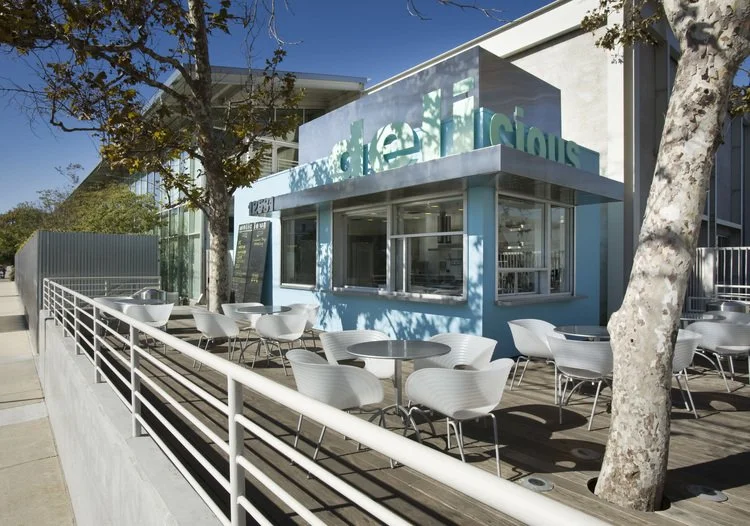
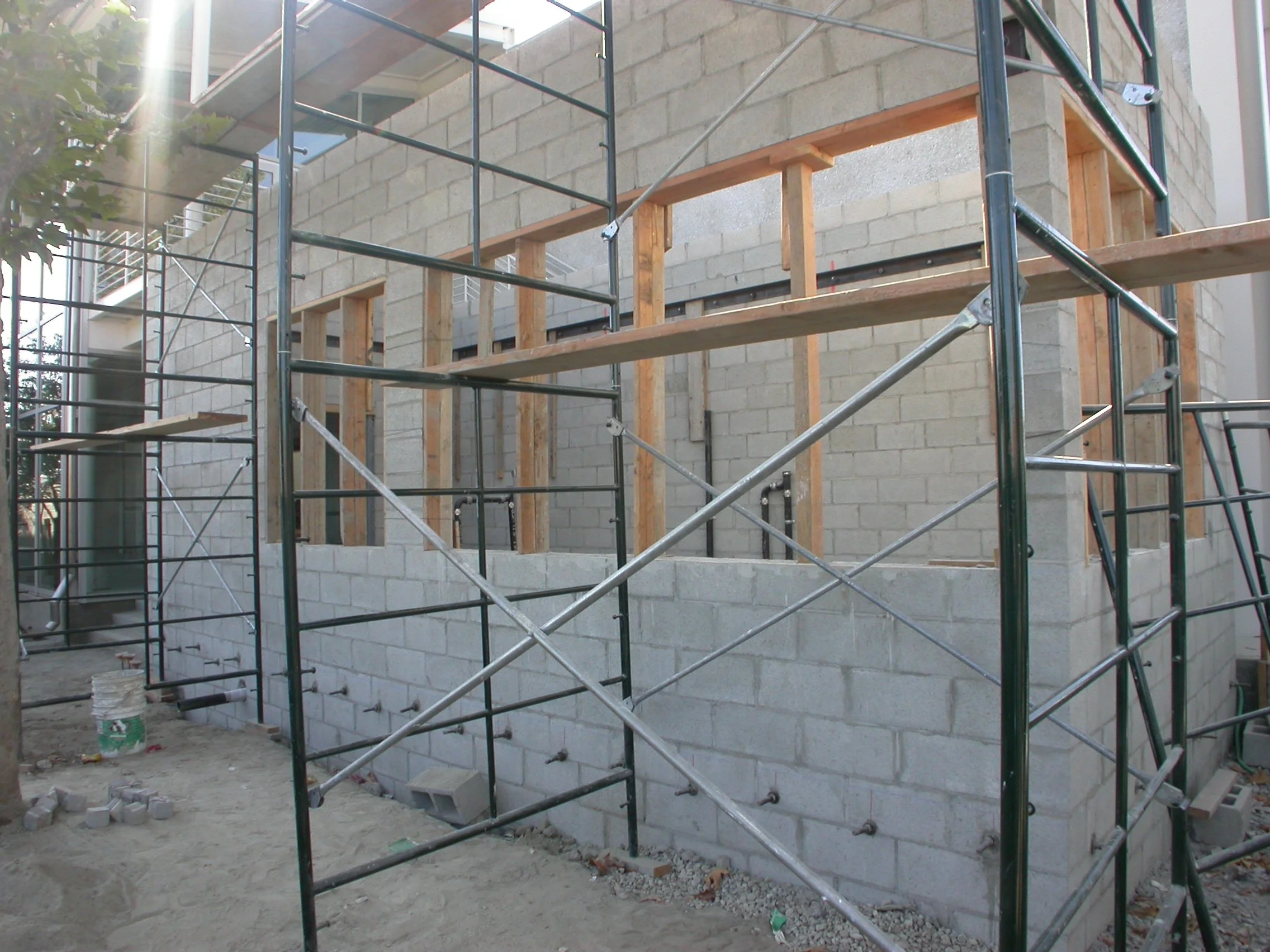
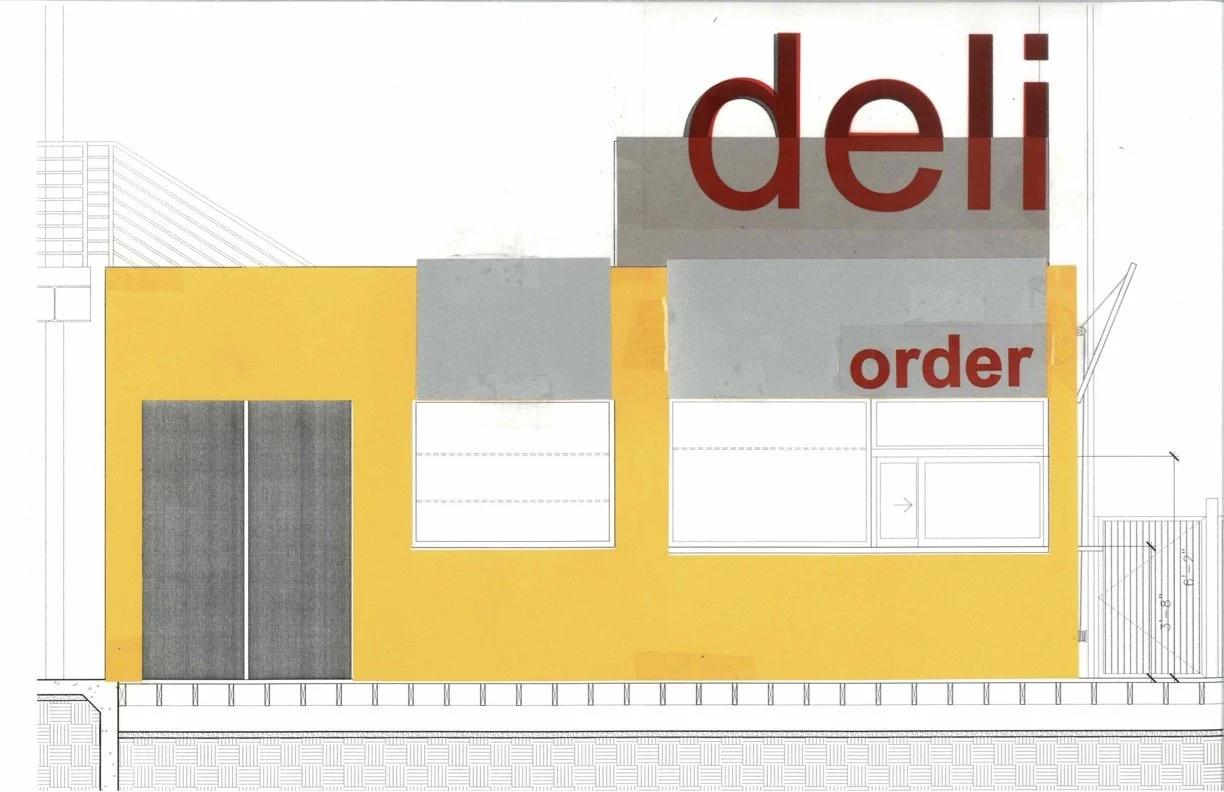
Beatrice Café
Location Los Angeles, California
Firm Gehry Partners
Role Design Lead; Client Liaison, 2006
Type Architecture / Small Commercial