
My Style of Clairvoyance
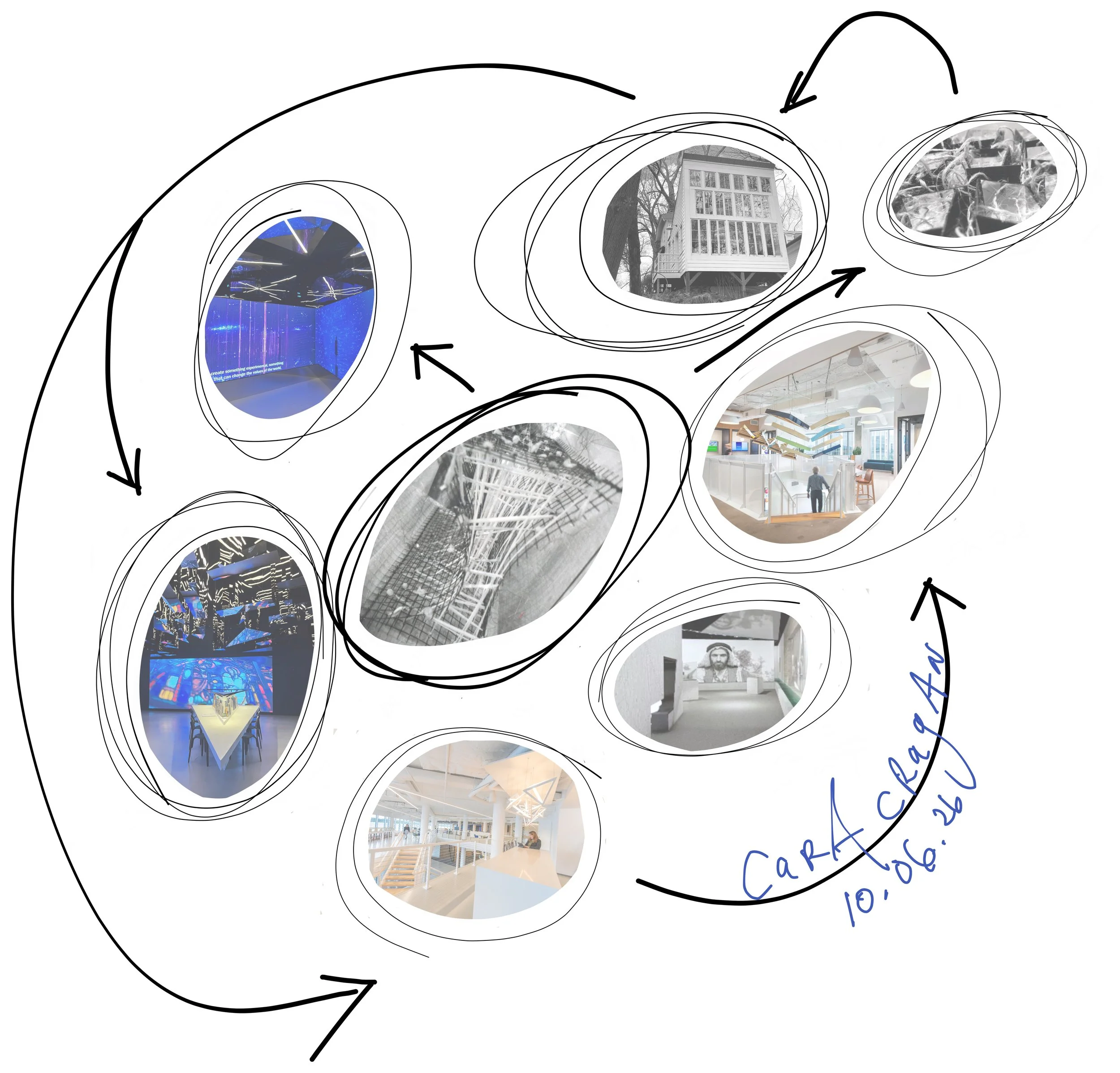
The continuity in my work over thirty years is unmistakable.
Architecture enlarged my medium.
The scale changed. The complexity changed. The tools expanded enormously. But the inquiry remained.
As a young artist at Vassar, I called much of my work material studies and emotional studies. I used wire, mirrors, twine, balloons, condoms, glass — ordinary materials enlisted to make something less tangible perceptible.
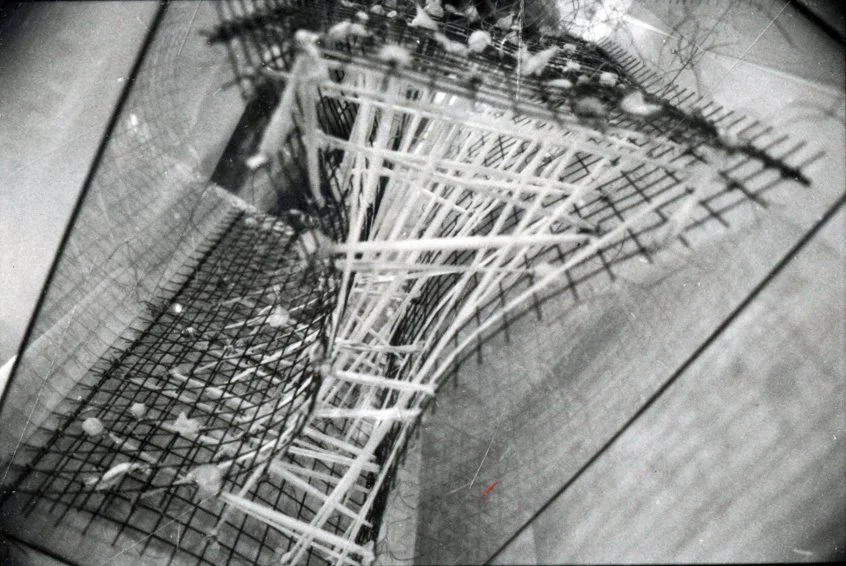
In this self-portrait, tension physically distorted a wire structure and the viewer’s reflection. An opaque wall simultaneously concealed and revealed. The work began with my own emotional experience, but the question was larger: could an internal condition be constructed physically enough that someone else might recognize it?
A few years later, I tried to build infinity.
Facing mirrors and gridded twine produced something much messier than the orderly endlessness I expected. The reflections multiplied and collided. I made more boxes. Each became its own microcosm, an infinity entangled with other infinities.
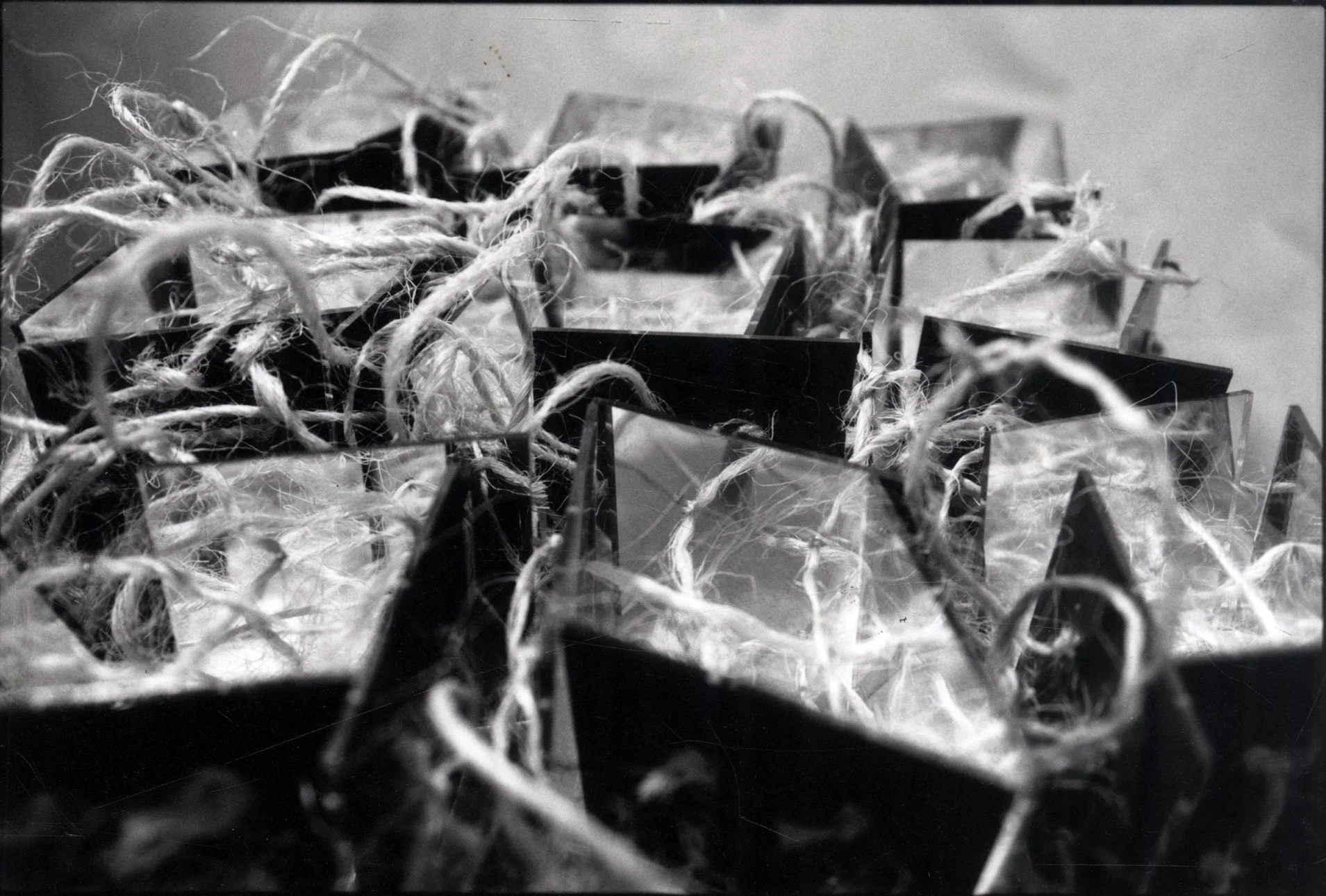
The work was already concerned with the subjects that continue to preoccupy me: perception, reflection, tension, boundaries, the individual and the collective, what we reveal and conceal, and the changing relationship between ourselves and the world.
Architecture taught me to work iteratively and intuitively within rigorous constraints; to test ideas through material, space and making; to collaborate with many kinds of expertise; and to turn abstraction into something another person can inhabit and experience.
Years later, I transformed an old caretaker’s cottage and carriage house into my studio. The previously short, opaque end wall of the carriage house became an enormous assembly of salvaged windows opening toward the woods.
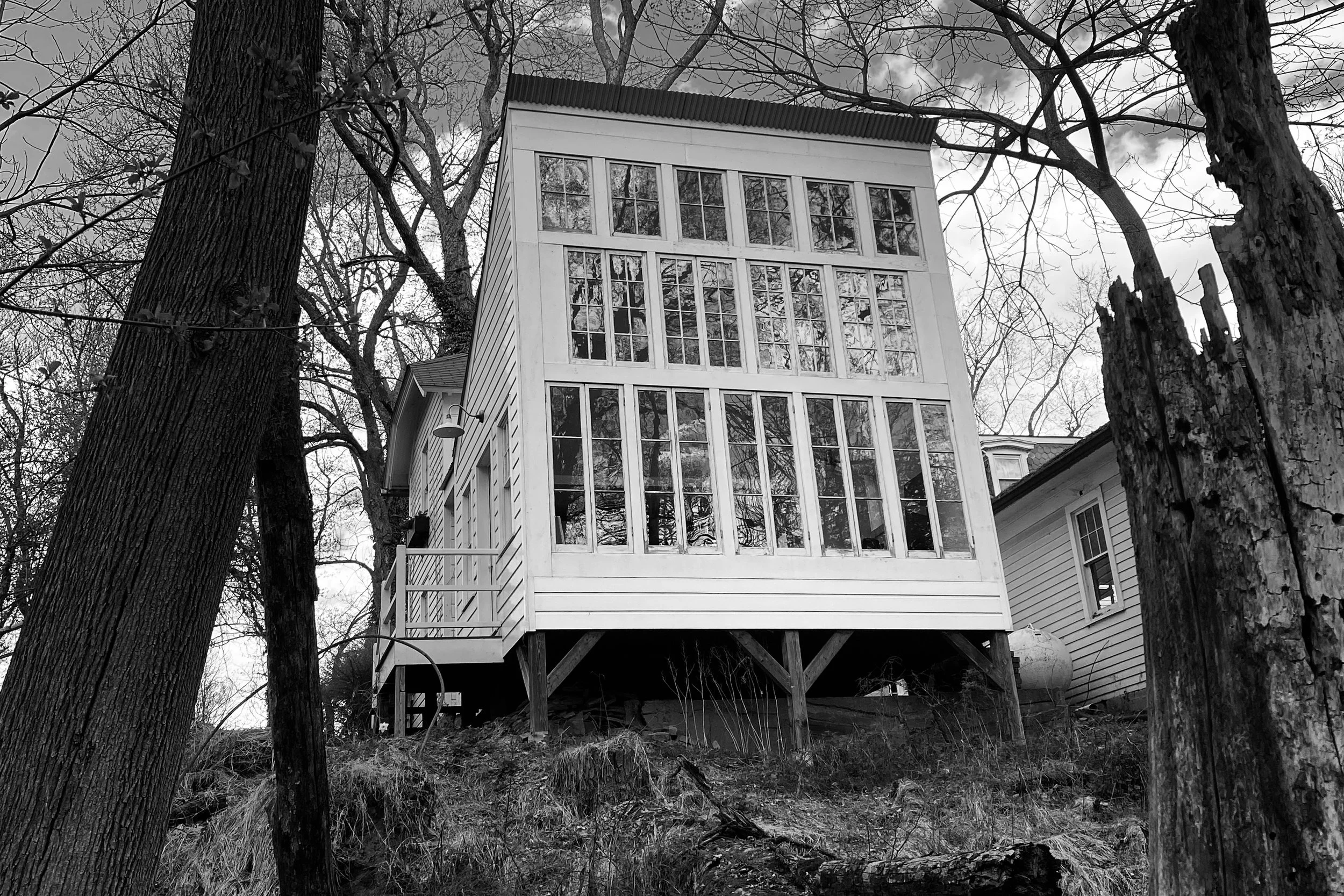
The object became inhabitable, but I was still working with enclosure and openness, interior and exterior, transparency, reflection and the boundary between ourselves and what surrounds us.
More recently, designing a large cultural exhibition brought many of these ideas back at an entirely different scale. Reflection, fragments, geometry, cultural memory, light, media, multiplication and perception became tools for translating the identities and aspirations of cultural institutions into physical experience.
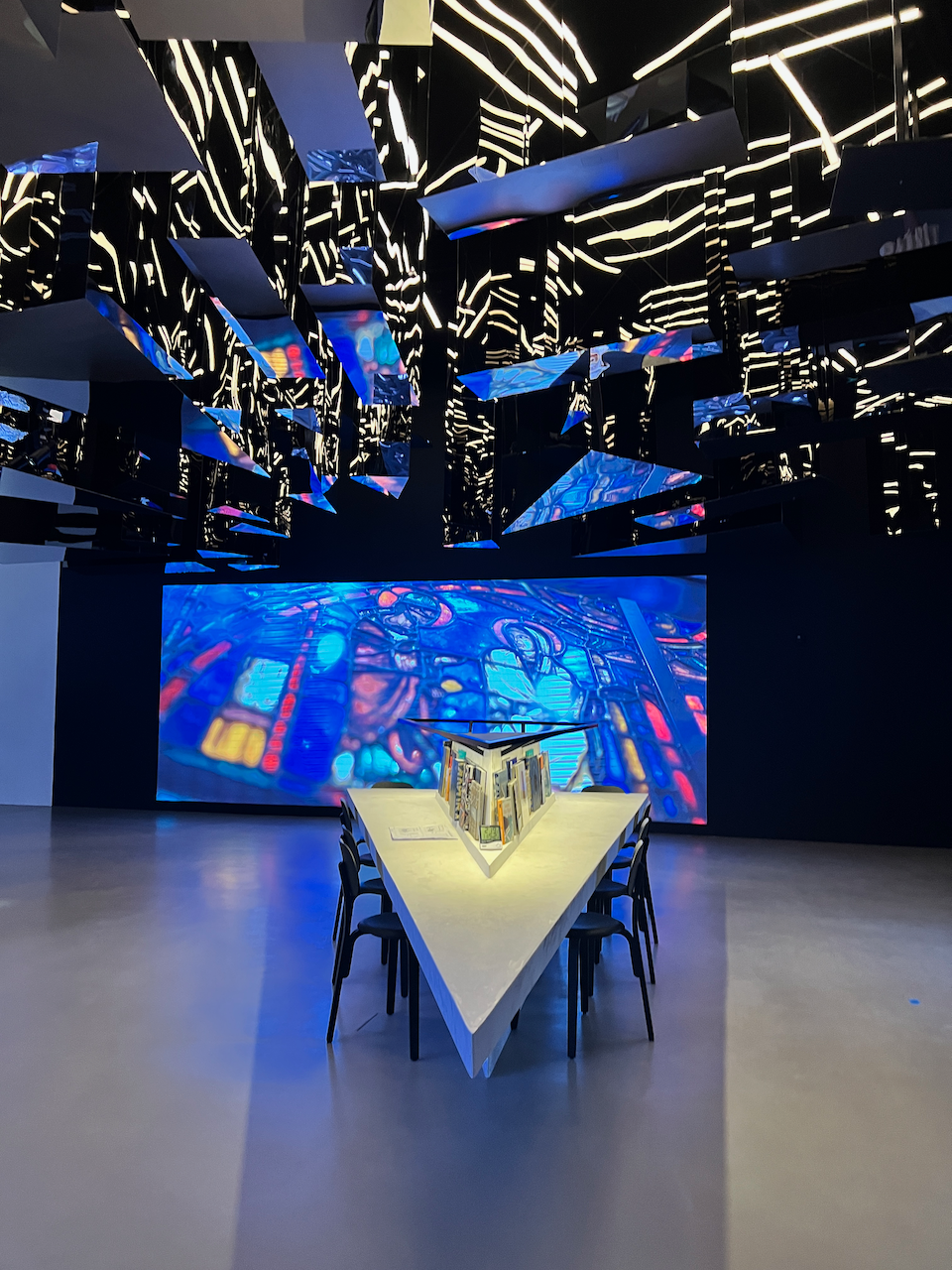
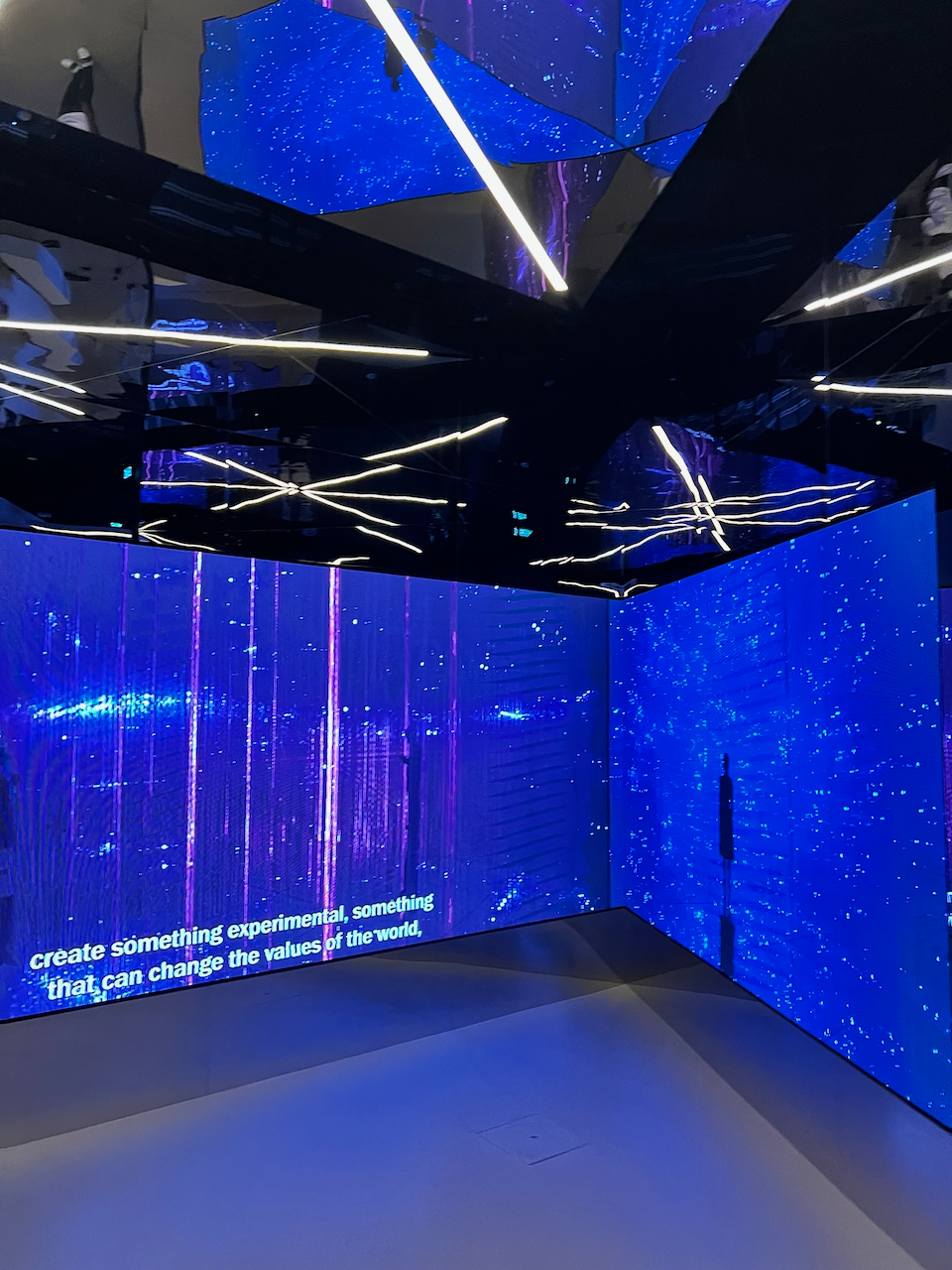
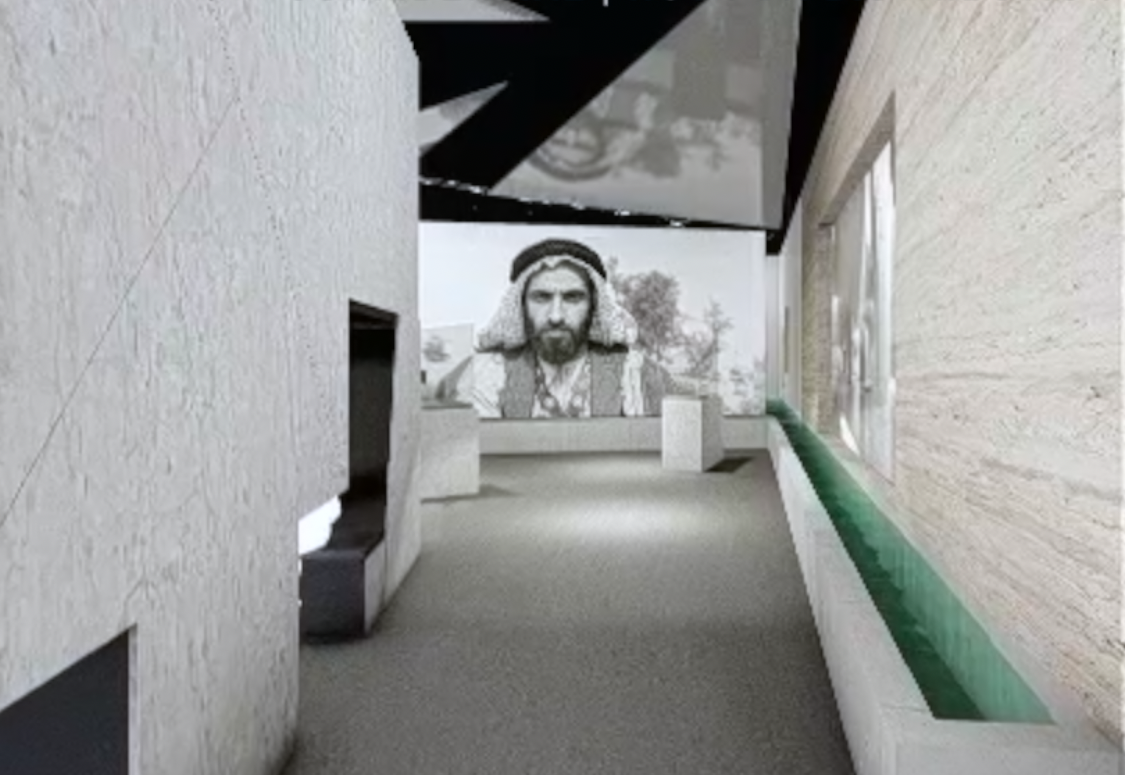
Placed beside the work from the 1990s, the relationship is striking.
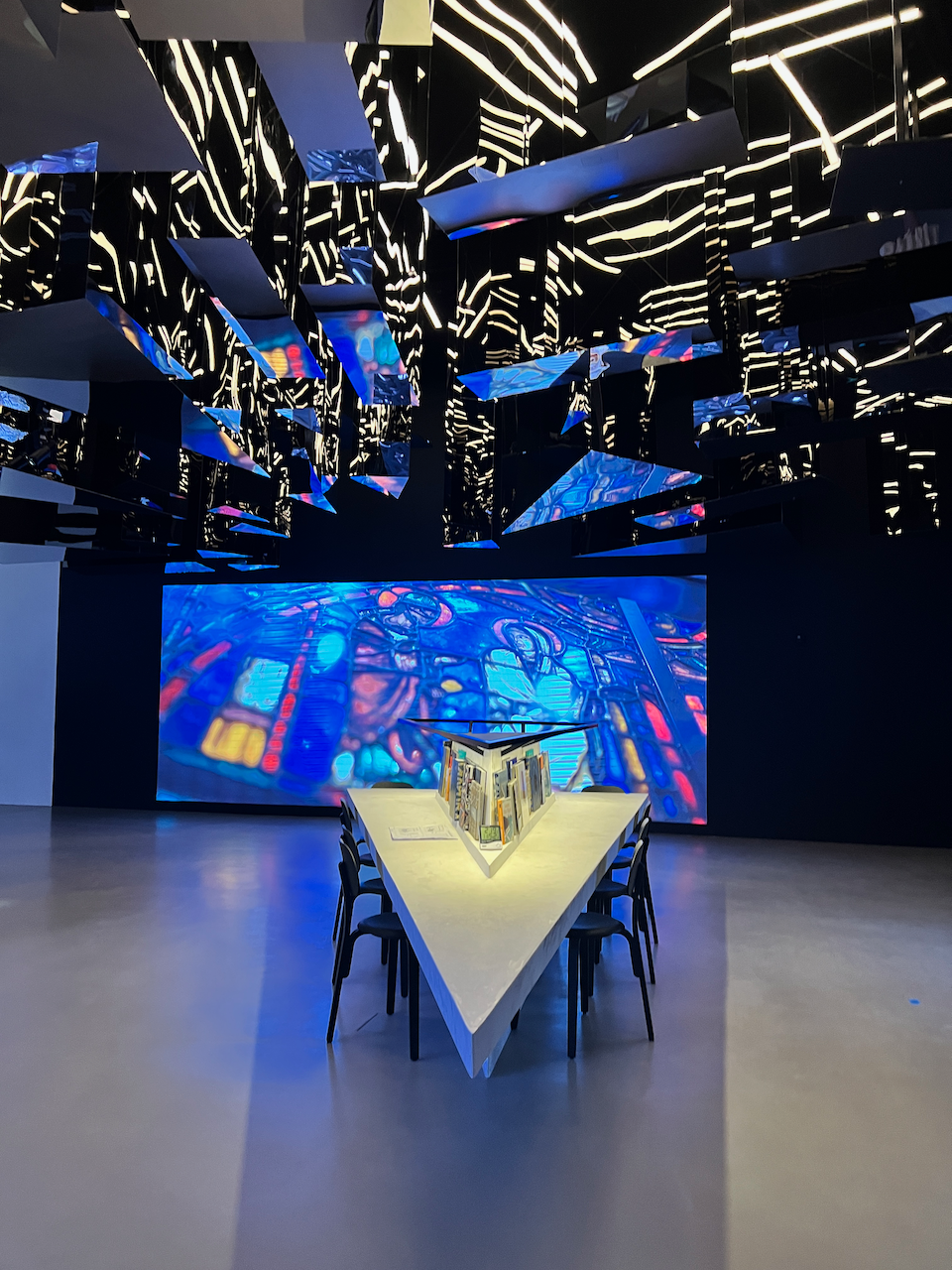
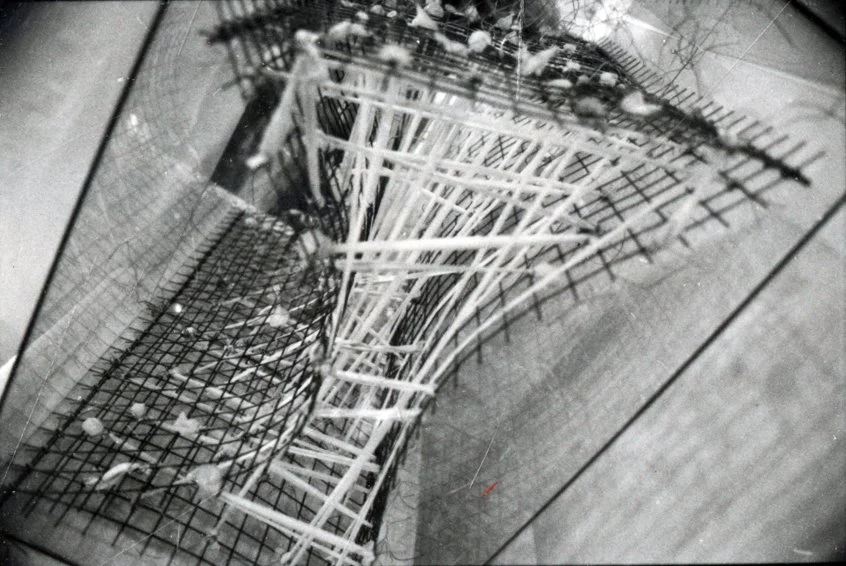
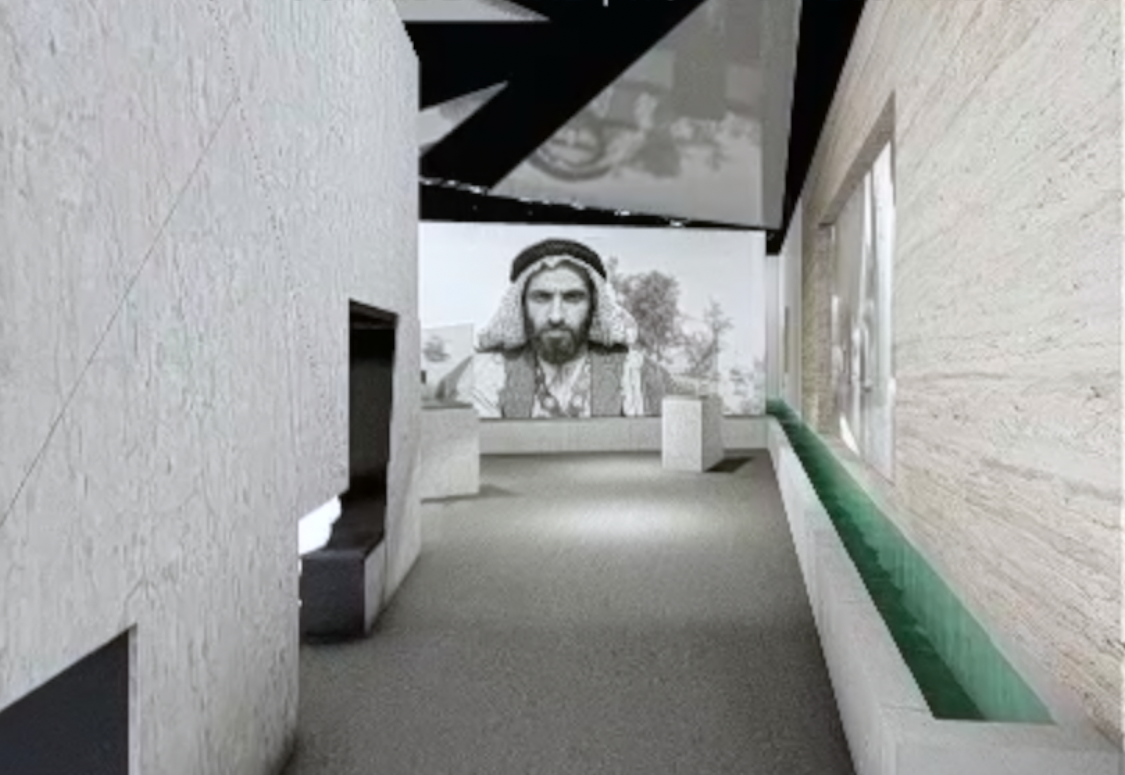
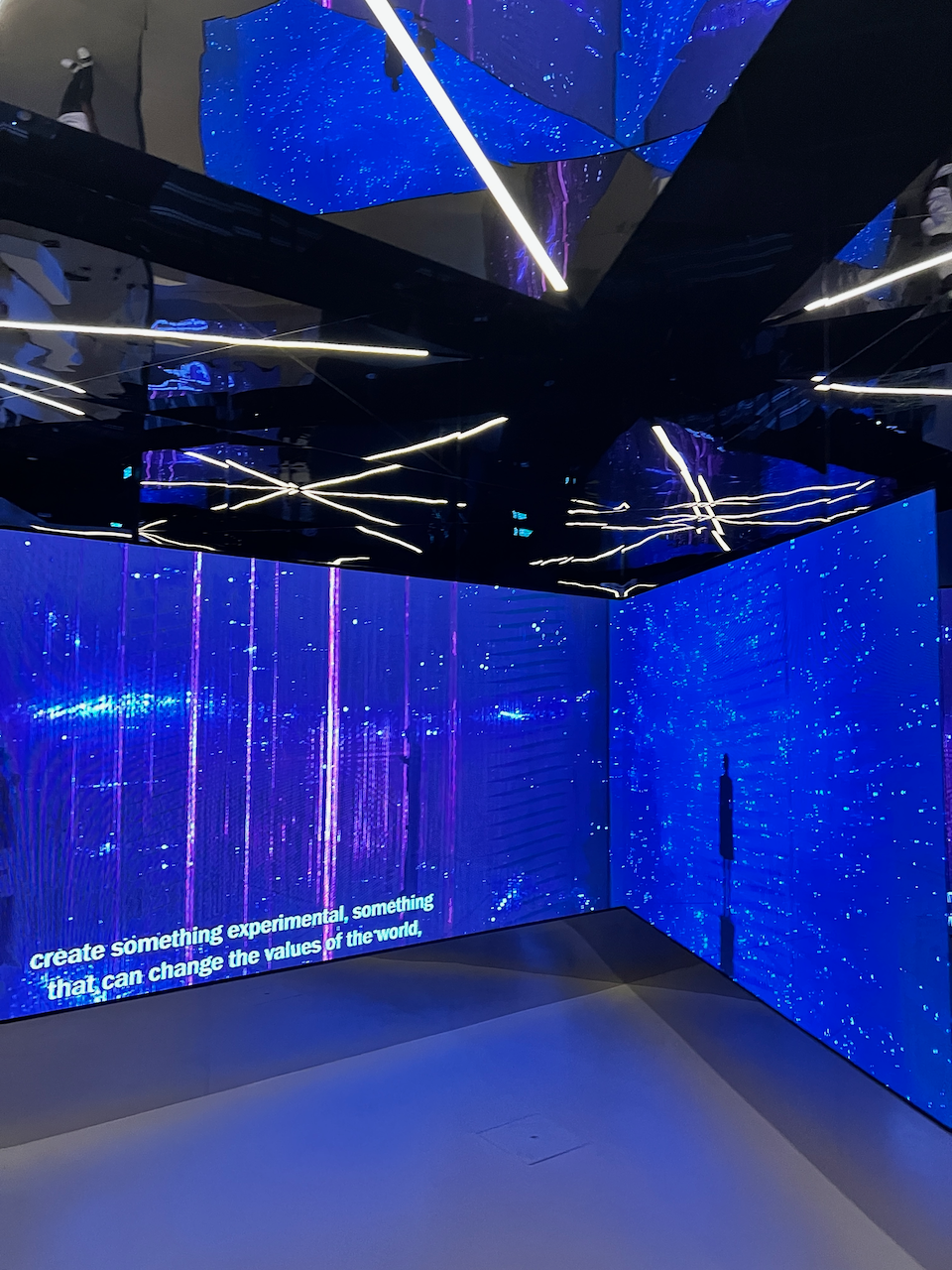
What is present but difficult to see?
Emotion. Identity. Culture. Belonging. Aspiration. Power. Memory. Behavior. Relationships. The meaning embedded in a place before anyone explains it. My work gives these conditions form. Sometimes that form is architecture. Sometimes it is an exhibition, workplace, object, experience, landscape, organizational structure or strategy. The medium follows the question.
I no longer feel the need to make the breadth of my work look narrower than it is. The cohesion isn’t a building type, an aesthetic or a scale. It is a way of seeing. I notice relationships, contradictions, patterns and latent possibilities, then use design to make them perceptible and actionable. I have always seen the visible and the invisible together, and understood their interdependence. What once might have looked like an unusually wide field of interests now looks remarkably precise.
This is my style of clairvoyance: I see what is present but difficult to see, and I give it form.
After decades spent helping realize ambitious visions for others, I am leading. I welcome the projects, people and challenges that can put my practice to work.